Habit Tracker for Kids: Free Printable Chore & Routine Chart
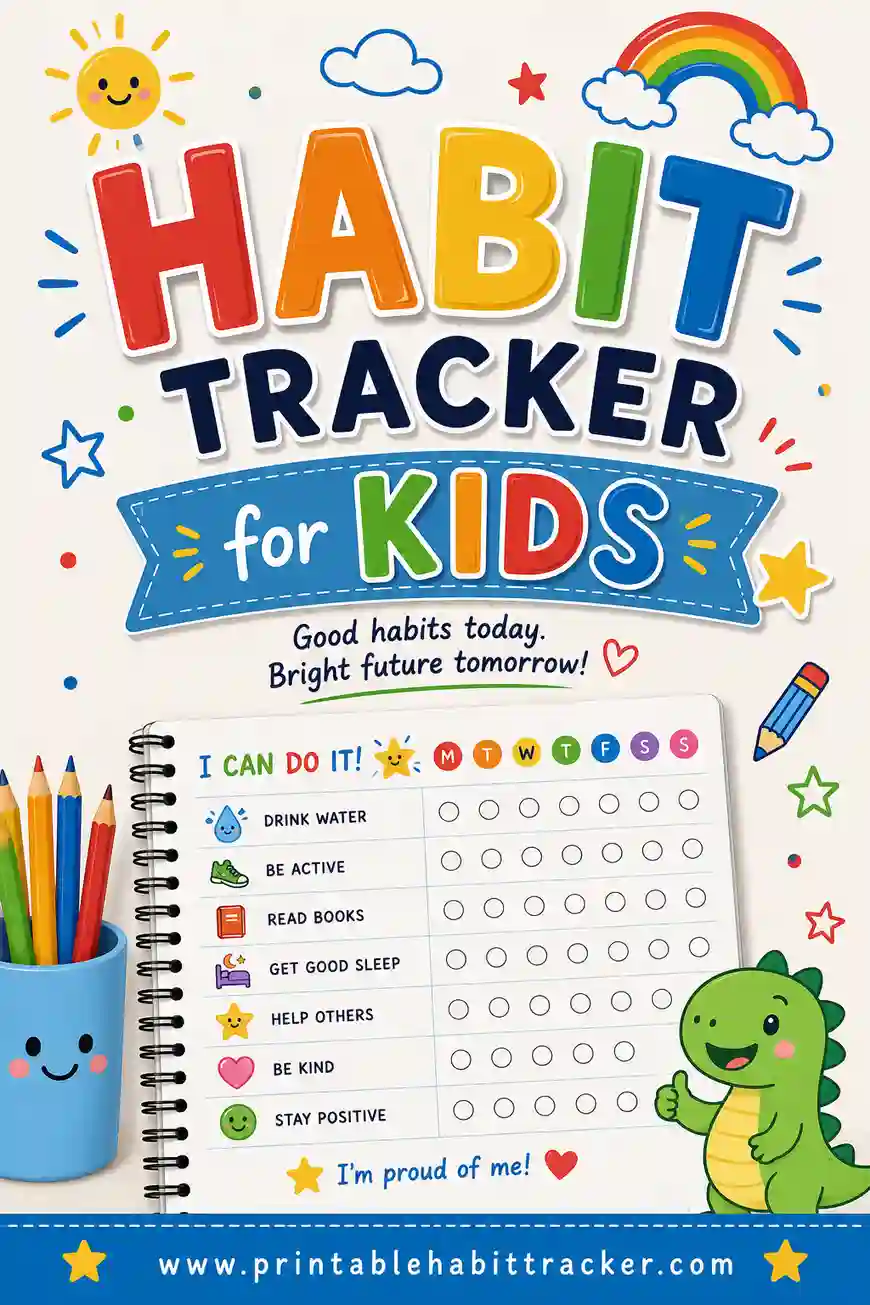
A habit tracker for kids is a simple chart with a few daily habits (like "brush teeth" or "feed the dog") and a box your child gets to check, sticker, or color in each time they do it. It turns boring routines into a little game, and that's exactly why it works: kids love seeing their progress and earning the next checkmark. The quickest way to make one is with a free printable habit tracker maker, where you pick your child's habits, choose a fun layout, and print a chart they'll be proud to fill in.
Want to make one right now? Open the free tool, add a few simple habits, pick a kid-friendly style, and print. There's no sign-up and no cost, so you can print a fresh chart whenever you need one.
Why a Habit Tracker Works So Well for Kids
Kids respond to clear, visible progress. A habit tracker gives them exactly that: a row of boxes that fills up as they do the right things. Each checkmark is a tiny win they can see, and seeing the wins makes them want more.
It also takes you out of the nagging role. Instead of reminding your child for the fifth time to brush their teeth, you can point at the chart: "What's next on your tracker?" The chart becomes the boss, not you. That small shift saves a lot of morning battles.
A few reasons it clicks with kids:
- It's visual. Young kids can't always grasp "build a routine," but they understand a box that gets a sticker.
- It's a game. Filling the chart feels like winning, not like work.
- It builds independence. Kids start checking the chart themselves, which is the whole goal.
- It rewards effort, not perfection. Every checked box counts, even on an otherwise rough day.
The Best Habits to Put on a Kid's Tracker
Keep the list short and the habits concrete. A toddler can handle two or three; a school-age kid can handle five or six. Pick things your child can actually do on their own (or with a little help). Here are reliable choices, with why each helps and how to mark it.
| Habit | Why it helps | How to track |
|---|---|---|
| Brush teeth | Health basic, easy twice-a-day win | One box morning, one box night |
| Make the bed | Tiny win that starts the day right | Check once it's done |
| Get dressed by self | Builds independence | Check after dressing |
| Read or be read to | Boosts learning, screen-free | Check after a story |
| Feed the pet | Teaches responsibility | Check after feeding |
| Put toys away | Keeps the chaos down | Check after tidy-up |
| Say please and thank you | Builds kind habits | Star for a polite day |
| Bedtime by 8 | Better sleep, easier mornings | Check if in bed on time |
Start with just a few. A kid's tracker with fifteen habits overwhelms them and turns the chart into a chore. Three solid wins a day builds way more confidence than fifteen blank boxes.
Match the habits to your child's age
A two-year-old's "habits" might be brushing teeth and putting one toy away. A ten-year-old can handle homework, chores, and reading. The trick is picking habits that are challenging enough to feel like an accomplishment but easy enough to actually succeed at most days.
Habit Ideas by Age
Here's a quick guide to what tends to work at each stage.
| Age group | How many habits | Good examples |
|---|---|---|
| Toddlers (2–3) | 2–3 | Brush teeth, put toy away, hug goodnight |
| Preschool (4–5) | 3–4 | Get dressed, tidy up, wash hands, bedtime |
| Early grade school (6–8) | 4–6 | Make bed, homework, read, feed pet, chores |
| Tweens (9–12) | 5–7 | Homework, screen limits, chores, hygiene, prep bag for tomorrow |
For the youngest kids, use pictures instead of words, a little toothbrush, a bed, a book, so non-readers can use the chart on their own. The maker supports simple picture-friendly layouts for exactly this reason.
Stickers, Stars, and Rewards That Work
The reward is half the fun, but the best rewards are simpler than parents expect. You don't need a big prize. The checkmark itself is often enough.
- Stickers. The all-time favorite. A sheet of stickers and an empty box is pure motivation for little kids.
- Coloring or shading. Let your child color in each box. The chart becomes a mini art project.
- Stars. A drawn or stamped star for each win. Save it up toward a small treat.
- Streak goals. "Five days in a row earns a movie night." Teaches consistency without daily bribes.
Keep rewards small and frequent
The mistake parents make is going big: a toy for a perfect week. Big rewards create big pressure, and one missed box can feel like blowing the whole prize. Small, frequent wins work better, a sticker today, a star tomorrow, and maybe a special outing after a great week. The habit, not the prize, is the real reward you're building toward.
How to Make a Kid's Habit Tracker in 4 Steps
It takes just a few minutes, and you can do it together with your child.
- Pick the habits together. Let your child help choose. They're more invested when they had a say.
- Choose the frequency. A weekly chart is perfect for kids, seven days is easy to grasp and resets often.
- Pick a fun, colorful style. In the tool, choose a bright layout with big boxes and (for little ones) picture habits.
- Print and decorate. Print it, let your child color the header or add stickers, and hang it at their eye level.
Hang the chart where your child can reach it, low on the fridge, on their bedroom door, or by the bathroom sink. They should be able to check their own boxes without help. That ownership is what makes it stick.
Tips to Keep Kids Using the Tracker
A chart that gets ignored helps no one. A few tricks to keep your child engaged.
- Make it their job, not yours. Hand over the marker. Let them check the boxes. Ownership beats reminders.
- Celebrate the checkmark, not perfection. Cheer every box. Don't dwell on the blank ones.
- Keep it short-term. Weekly resets feel achievable. A whole month can look impossible to a small child.
- Refresh it when interest dips. Swap a habit, change the colors, or add a new sticker theme to renew the excitement.
- Do it at the same times. Morning routine before school, evening routine before bed. Consistency in timing builds the habit faster.
When your child loses interest
Kids get bored, that's normal, not failure. When the novelty fades, switch things up: a new chart design, a different reward, or a fresh set of stickers. Sometimes letting your child redesign their own chart relights the spark. The goal is the routine, not the specific chart, so feel free to reinvent it as often as you need.
Habit Trackers for Different Family Goals
The same simple chart adapts to whatever your family is working on.
Morning and bedtime routines
The most popular use. Line up the steps, get dressed, brush teeth, pack bag, and let the chart guide your child through them. It turns a chaotic rush into a checklist they can follow on their own.
Chores and responsibility
Feed the pet, set the table, put away laundry. A chore tracker teaches kids that helping out is part of daily life, and the visible progress makes it feel rewarding rather than forced.
Reading and learning
A reading streak chart is a gentle way to build a daily reading habit. Each book or chapter earns a box, and a long row of checks becomes something your child is genuinely proud of.
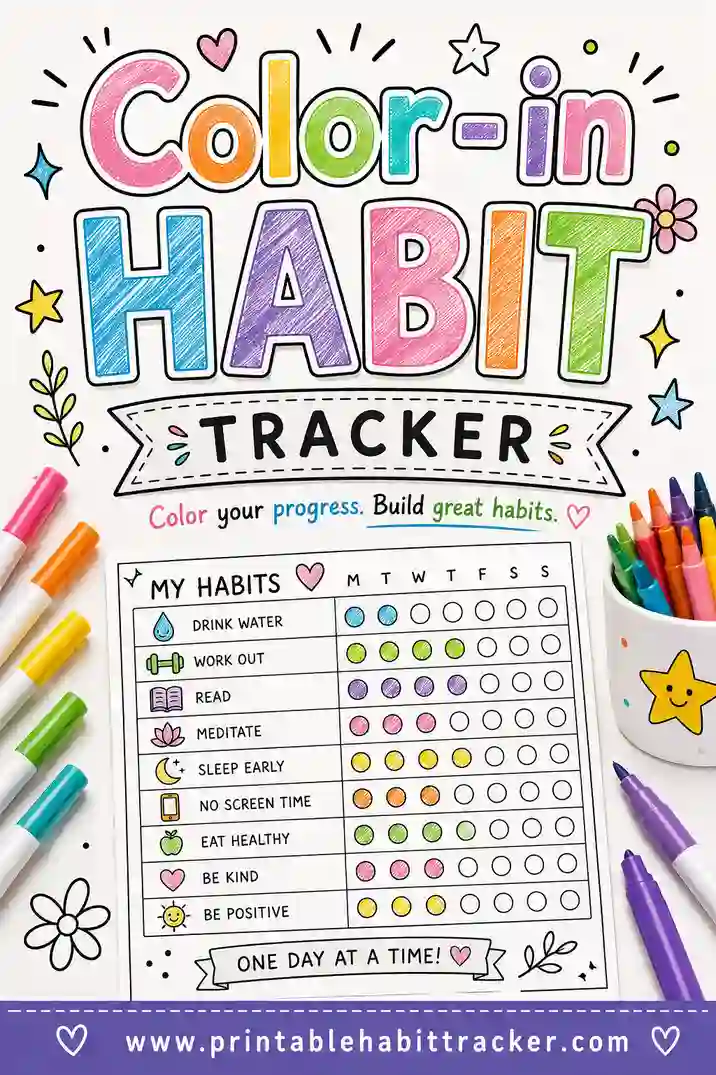
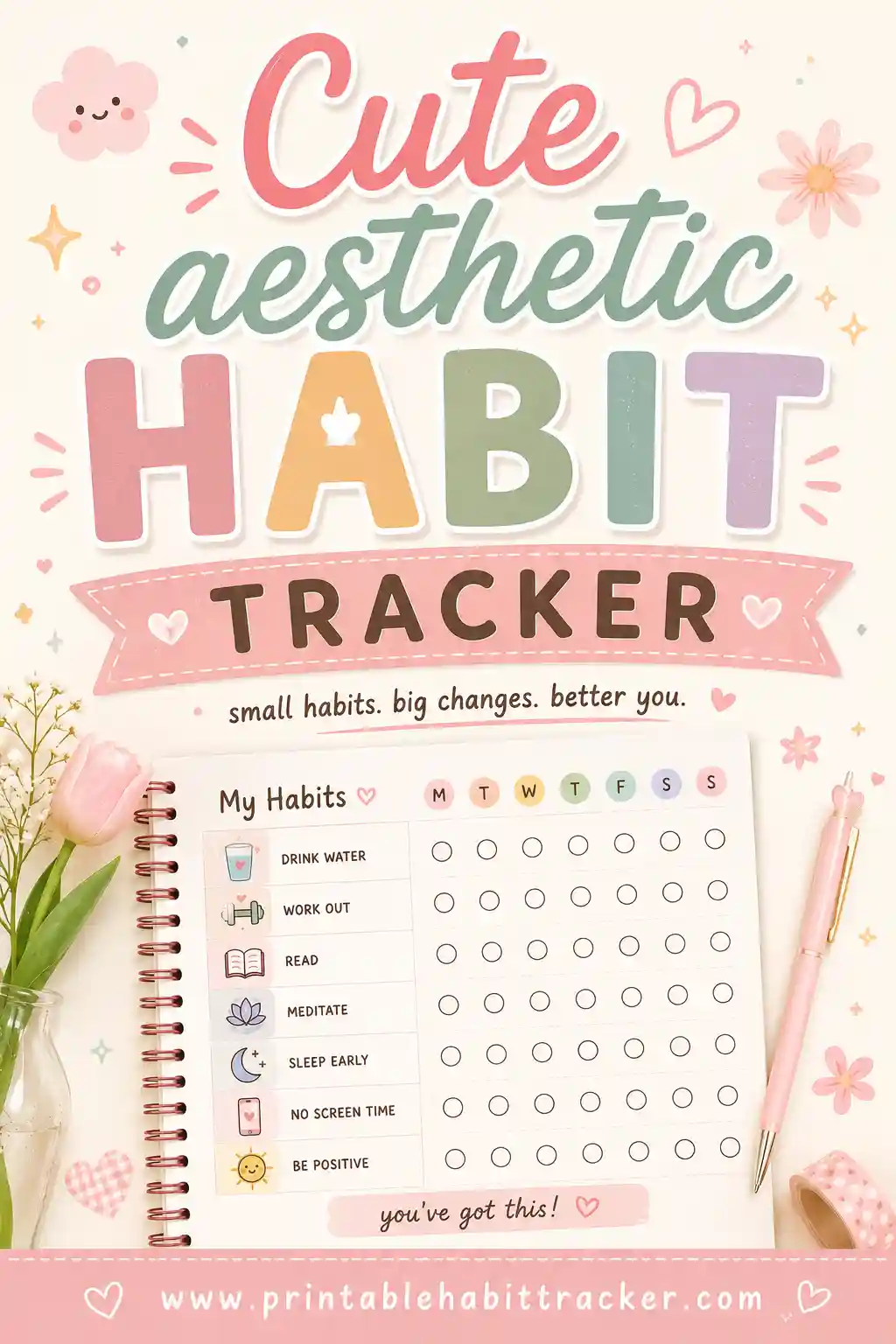
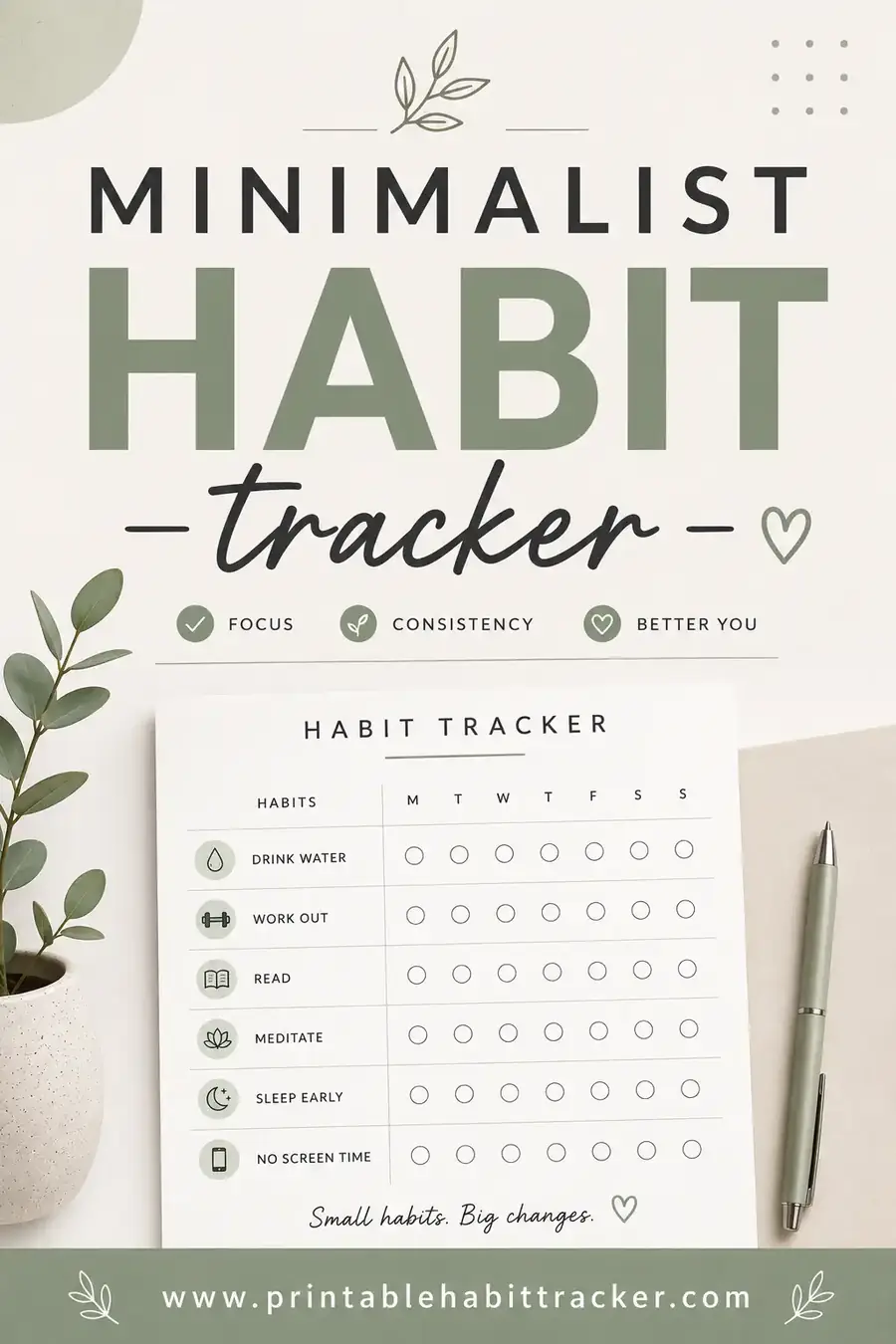
Want a chart kids can color? Our color-in habit tracker turns each day into a coloring reward. Older kids who want something sweeter might like the cute aesthetic habit tracker, and for a no-frills version there's the minimalist habit tracker.
Frequently Asked Questions
What age should a child start using a habit tracker?
As young as two or three, with the right setup. Toddlers do best with two or three picture-based habits and stickers. School-age kids can handle a written chart with five or six habits. Match the number and complexity to your child, and start small. You can build an age-appropriate chart free with the printable tool.
How many habits should a kid's tracker have?
Fewer than you'd think. Two or three for toddlers, four to six for grade-schoolers, and up to seven for tweens. Too many habits overwhelm kids and turn the chart into a chore. A few wins a day builds far more confidence than a long list of blank boxes.
What rewards work best for a kid's habit tracker?
Small and frequent beats big and rare. Stickers, stars, and the simple joy of coloring a box are often reward enough. For older kids, a streak goal like "five days earns a movie night" teaches consistency without daily bribes. Keep the focus on the habit, not the prize.
Should I make my child use the tracker, or let them choose?
Let them help choose and let them do the checking. Kids are far more invested in a chart they had a hand in creating. Handing over the marker turns the tracker into their job, which builds the independence you're after and saves you from nagging.
Can I print a habit tracker for kids for free?
Yes. The maker lets you pick your child's habits, choose a fun colorful layout, and print as many charts as you need at no cost. There's no sign-up and no watermark, so you can reprint a fresh chart every week.
My child stopped using the tracker. What now?
That's normal, kids get bored. Refresh it: change the design, swap a habit, or try new stickers. Letting your child redesign the chart themselves often relights their interest. The routine is the goal, so don't be afraid to reinvent the chart as often as it takes.
Ready to Make Your Kid's Habit Tracker?
Pick a few habits with your child, open the free habit tracker maker, choose a bright kid-friendly layout, and print a chart they'll be excited to fill in. It's free, there's no sign-up, and a simple sticker chart might just turn your toughest routines into your child's favorite game. Print one today and let the checkmarks do the cheering.