Minimalist Habit Tracker: Free Printable & Clutter-Free
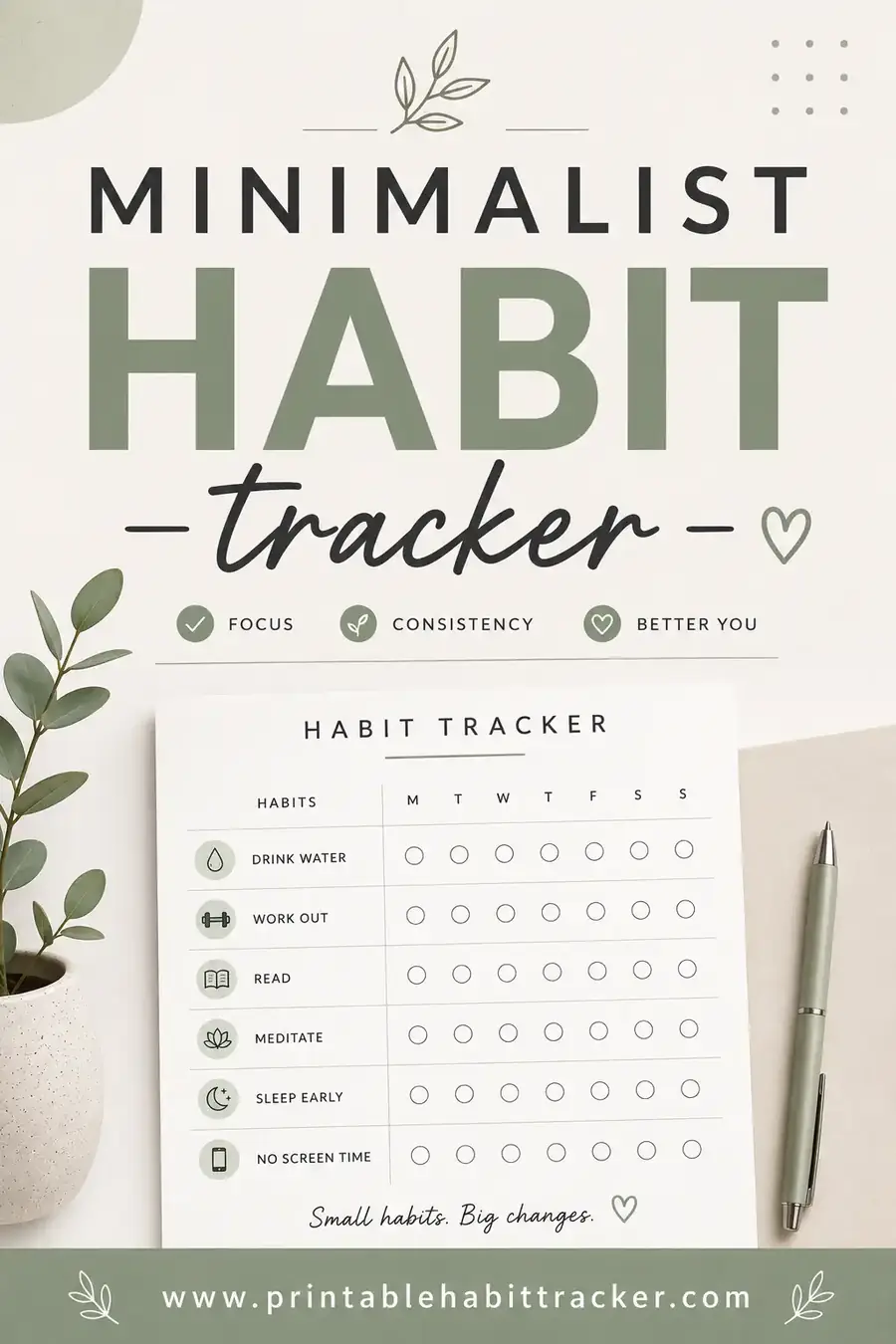
A minimalist habit tracker is a clean grid of habits down one side and days across the top, with nothing extra to distract you. No stickers, no rainbows, no fancy fonts, just a simple box you fill in when you do the thing. The fastest way to make one is to use a free printable habit tracker maker that lets you pick your habits, choose a plain layout, and print a no-fuss sheet in under a minute.
Want to skip ahead and make yours now? Open the free tool, add a few habits, choose the clean grid style, and print. There's no sign-up, no fee, and no clutter to wade through.
What Makes a Habit Tracker "Minimalist"
A minimalist tracker strips a habit chart down to the parts that actually matter: the habit, the day, and the checkbox. Everything else gets cut. No motivational quotes crowding the margins, no decorative borders, no color-coding system you have to memorize.
The point isn't to look plain for the sake of it. It's that less visual noise means less friction. When your sheet is simple, your eye lands on one thing: did I do it today, yes or no? You spend your energy on the habit, not on decorating the page.
A good minimalist tracker usually has:
- A short list of habits (often 5 to 8, not 20).
- A row of days or dates across the top.
- Plain, empty boxes you check, shade, or X.
- Lots of white space.
- One ink color, usually black.
That's the whole thing. The beauty is in what's missing.
Why a Minimalist Layout Helps You Stay Consistent
Simple sheets get used. Busy ones get abandoned. Here's why the stripped-down approach tends to win.
It lowers the bar to start. A blank, clean grid feels easy. There's nothing to set up, nothing to color in first. You glance, you check a box, you move on. Habits stick when the tracking takes five seconds, not five minutes.
It hides nothing. With a minimalist tracker, your streak (or your gap) is obvious at a glance. A run of checked boxes is satisfying. A blank stretch nudges you to get back on track. No clutter means no hiding from the truth.
It travels well. A plain sheet fits anywhere, on the fridge, in a planner, taped inside a cabinet. It doesn't clash with your decor or scream for attention. It just sits there quietly doing its job.
It scales. Want to track a new habit next month? Print a fresh sheet. There's no theme to match, no supplies to restock. Simplicity is repeatable.
The Best Habits to Track on a Minimalist Sheet
A clean tracker works best when you keep the habit list short and the habits concrete. Vague goals like "be healthier" don't fit in a checkbox. Specific actions do. Here are solid starters, with why each one earns its spot and how to mark it.
| Habit | Why it helps | How to track |
|---|---|---|
| Drink water | Easy win, builds the checking habit | One box per glass, or one box for "8 today" |
| Read 10 pages | Small, repeatable, compounds fast | Check the box once you hit 10 |
| Walk 20 minutes | Movement without a gym | Check after the walk |
| No phone first hour | Protects your morning focus | Check if you made it |
| Stretch | Loosens you up, takes 5 minutes | Check after stretching |
| Make the bed | Tiny win that sets the tone | Check once it's done |
| Lights out by 11 | Better sleep, better everything | Check if you were in bed on time |
| Plan tomorrow | Cuts morning decision fatigue | Check after a 2-minute review |
Pick five or six from this list and ignore the rest. A minimalist tracker with 20 habits isn't minimalist anymore. Start small, win, then add.
Keep the list short on purpose
A common mistake is loading up the sheet with every habit you wish you had. Then half the boxes stay blank, the sheet starts to feel like a list of failures, and you stop using it. Five habits you actually do beats fifteen you don't. You can always print a new sheet with one more habit once the first five feel automatic.
Clean Layout Ideas (Pick One and Stick With It)
Minimalist doesn't mean there's only one look. There are a few clean formats, and the right one depends on how you think. The free habit tracker maker can build any of these.
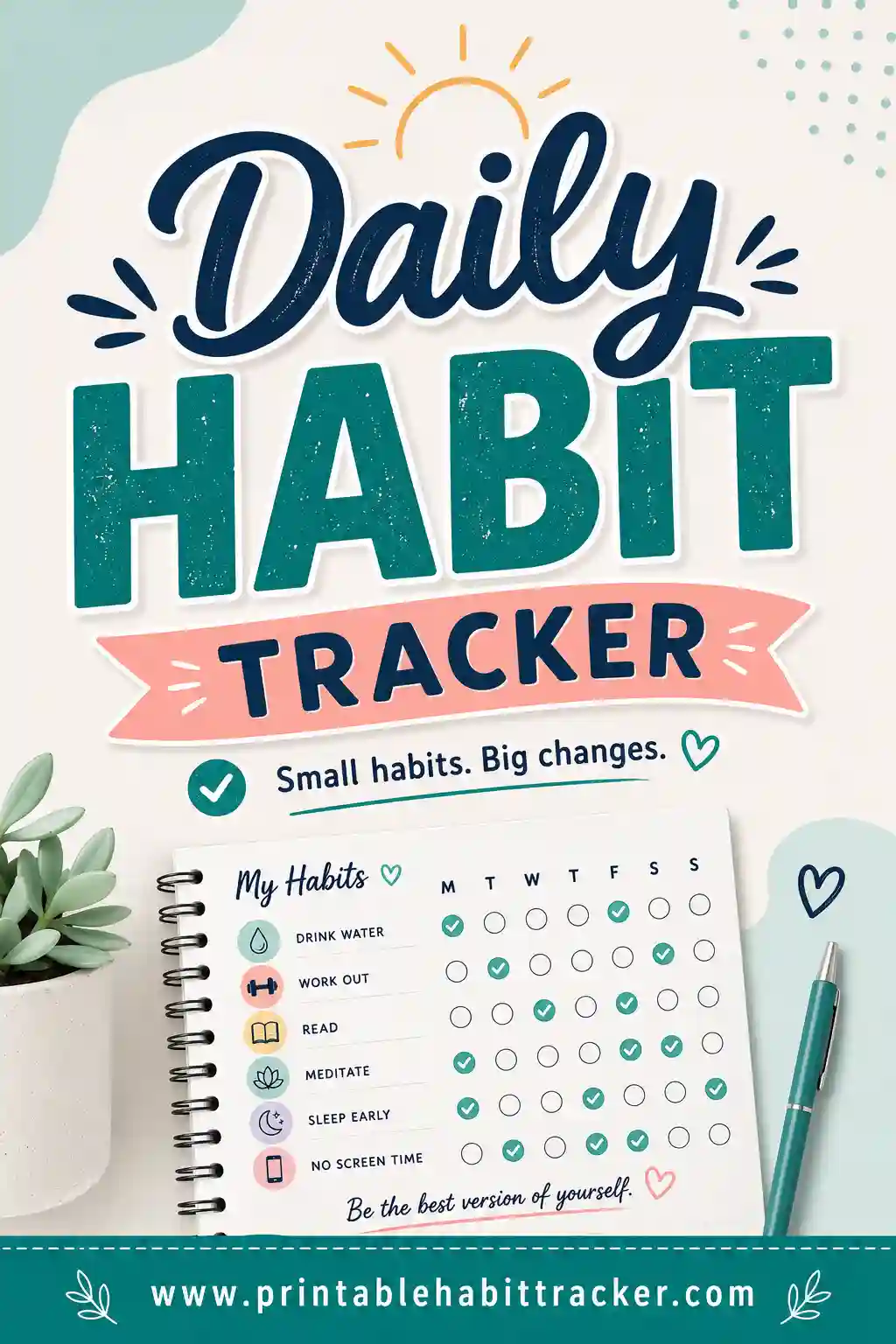
- Daily grid. Habits down the left, days 1 through 31 across the top. The classic. Best if you track several habits at once.
- Weekly strip. Just seven columns, Monday to Sunday. Great for a single habit or a fresh start each week.
- Single-habit row. One habit, a long row of boxes. Perfect for a streak you want to protect, like "30 days no soda."
- Dot grid. Instead of boxes, a clean grid of dots you fill in. Feels light and modern.
Daily vs weekly vs monthly at a glance
Not sure which frequency suits you? This quick comparison helps you choose.
| Layout | Best for | Trade-off |
|---|---|---|
| Weekly | One or two habits, frequent fresh starts | Reprint every week |
| Monthly | Several habits, seeing the big picture | Can feel daunting if a row goes blank |
| Single-habit | Protecting one important streak | Tracks only one thing |
If you're new to tracking, start with a weekly sheet. It's less intimidating than a full month, and a Monday reset gives you a clean slate often.
How to Make Your Minimalist Habit Tracker in 4 Steps
You don't need design skills or fancy supplies. Here's the whole process.
- List your habits. Write down five or six concrete actions you want to do regularly. Keep them short.
- Pick a frequency. Weekly for beginners, monthly if you want the big-picture view.
- Choose the clean style. In the tool, select the plain grid (no decoration). One ink color keeps it crisp and saves toner.
- Print it. Hit print, stick it somewhere you'll see it every day, and start checking boxes.
That's it. Tape it to the fridge, the bathroom mirror, or the inside of your planner, anywhere it'll catch your eye at the right moment.
Tips for a Tracker That Actually Gets Used
A clean sheet is a great start, but a few small habits around the habit make it stick.
- Put it where you'll see it. Out of sight, out of mind. The fridge, the mirror, or your desk all work.
- Check it at the same time daily. Pair the check-in with something you already do, like your morning coffee or brushing your teeth.
- Use one pen. Keep a single pen with the sheet so you never hunt for one. Friction kills habits.
- Don't break the chain. A row of checks builds momentum. Try not to skip two days in a row, that's the real danger zone.
- Forgive the blank box. A missed day isn't failure. Just check the next one. Consistency over time beats a perfect week.
What to do when you miss a day
Everyone misses. The trick is to never miss twice. One blank box is a blip. Two in a row is how habits quietly die. If you slip, don't reprint a "clean" sheet to hide the gap, just pick up the next day. The gap is data, not shame.
Minimalist Tracking for Different Goals
The same clean grid flexes to almost anything. A few popular uses:
Fitness and movement
Track a daily walk, a stretch, water intake, or steps. Keep it to two or three movement habits so the sheet stays light. A long unbroken row is a great motivator on days you don't feel like it.
Focus and productivity
Use it for deep-work blocks, a phone-free morning hour, or a daily shutdown routine. The plain layout fits naturally next to a work planner without clashing.
Wellness and sleep
A minimalist sheet is perfect for gentle habits: bedtime, a few minutes of quiet, no screens after a certain hour. The lack of clutter keeps it calming rather than nagging.
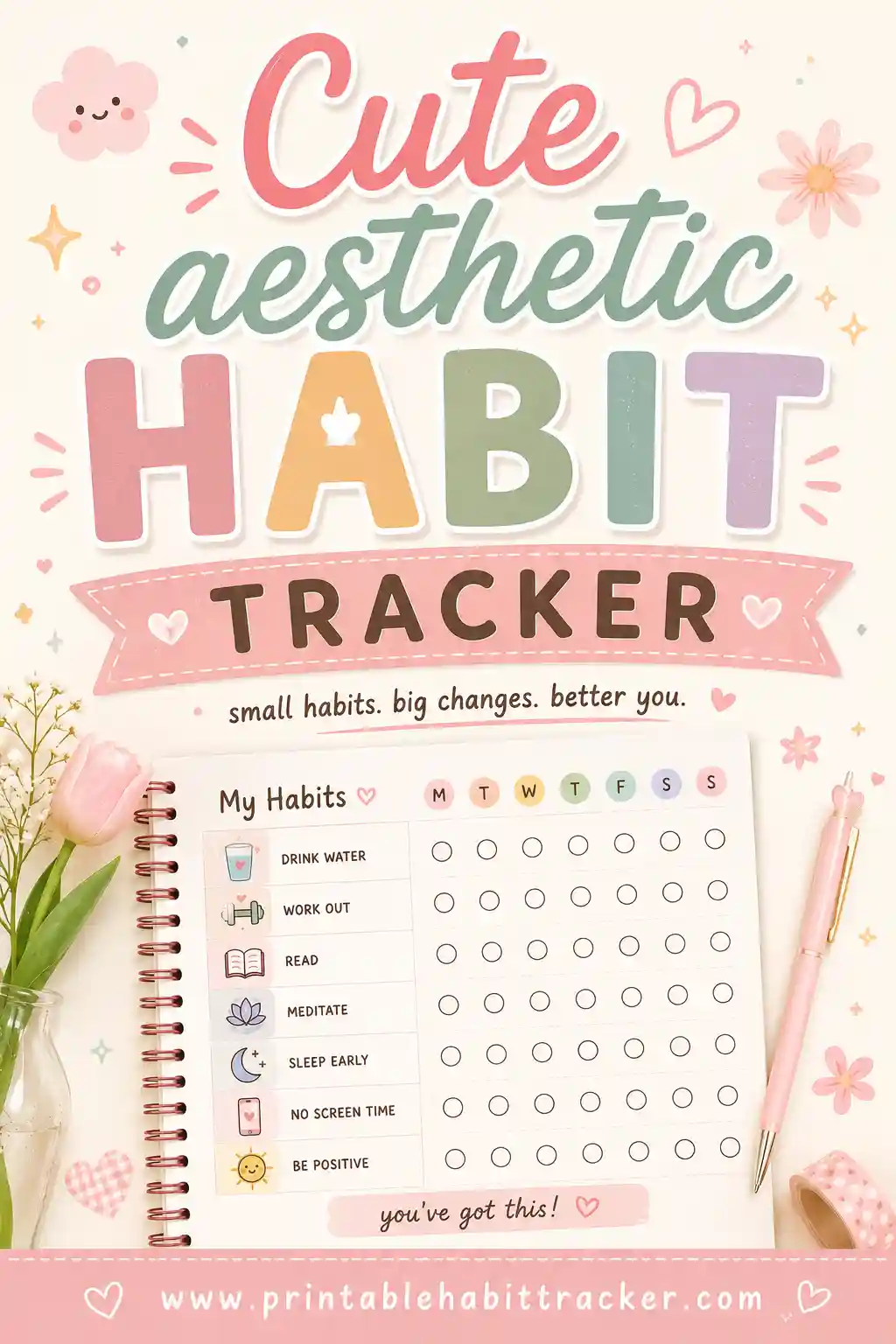
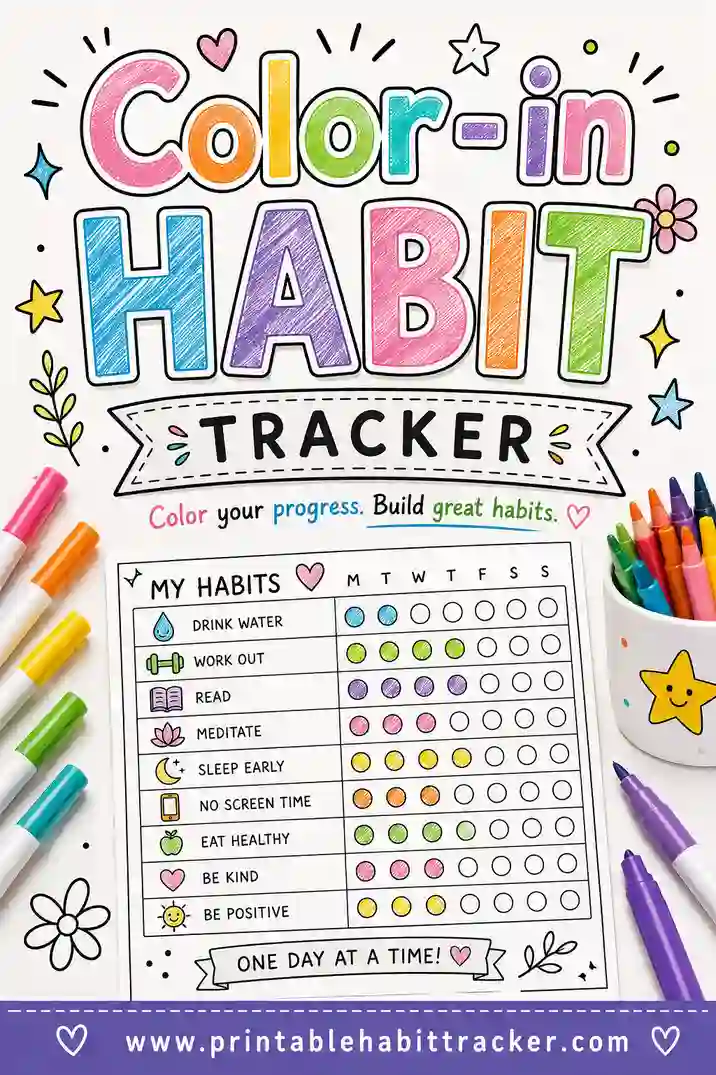
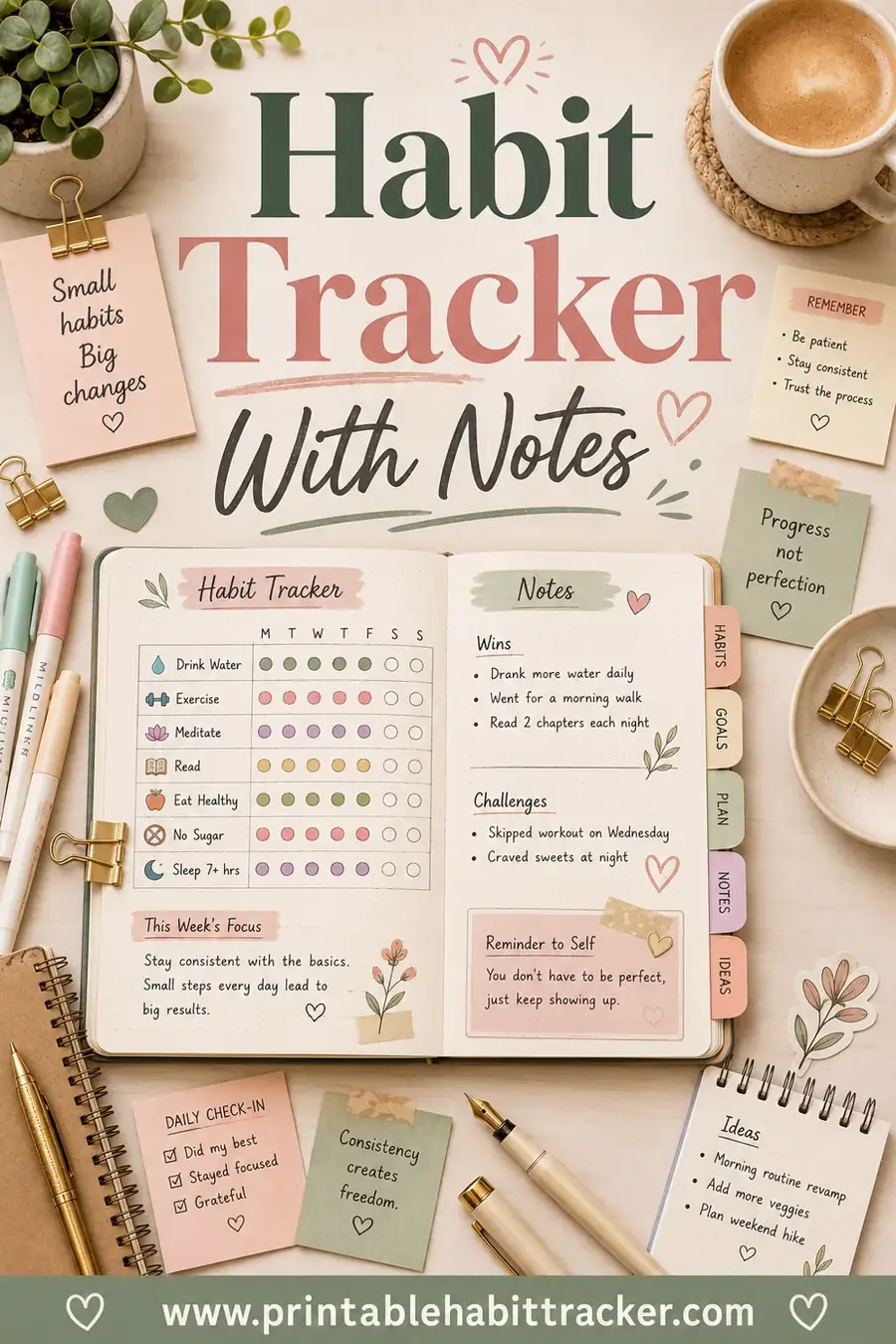
Want a softer look once your habits stick? Try our cute aesthetic habit tracker or a color-in habit tracker for a more playful version. Prefer room to jot things down? The habit tracker with notes keeps the clean grid but adds a writing space.
Frequently Asked Questions
What is a minimalist habit tracker?
It's a stripped-down habit chart with just the essentials: your habits, the days, and plain checkboxes. There's no decoration or color-coding, so nothing distracts you from the one question that matters, did you do the habit today? You can build one free with the printable tool.
How many habits should a minimalist tracker have?
Five to eight is the sweet spot. Fewer than that and you might not need a sheet at all; more than that and it stops feeling minimalist and starts feeling like a chore. Start with five concrete habits and add one only once the first batch feels automatic.
Is a minimalist tracker better than a decorated one?
It depends on you. A plain sheet has less friction and gets used more often, which is why minimalists love it. But if color and decoration motivate you, a prettier layout can work just as well. The best tracker is the one you'll actually fill in.
Can I print a minimalist habit tracker for free?
Yes. The maker lets you choose your habits, pick a clean grid, and print as many sheets as you want at no cost. There's no sign-up and no watermark, so you can reprint a fresh sheet every week or month.
What's the best frequency for a minimalist tracker?
For beginners, weekly. A seven-day strip is less intimidating than a full month, and the frequent reset gives you a clean slate. Once tracking feels automatic, switch to a monthly grid to see the bigger picture of your streaks.
Should I track a missed day or leave it blank?
Leave it blank and move on, then check the very next day. A blank box is honest data that shows where you slipped. The goal is never to miss twice in a row, not to keep a flawless sheet.
Ready to Make Your Minimalist Habit Tracker?
Pick five habits, open the free habit tracker maker, choose the clean grid, and print your no-fuss sheet in under a minute. It's free, there's no sign-up, and there's nothing to distract you from the only thing that matters: checking that box today. Keep it simple, keep it visible, and let the streak do the rest.