Habit Tracker With Notes: Free Printable With Journaling Space
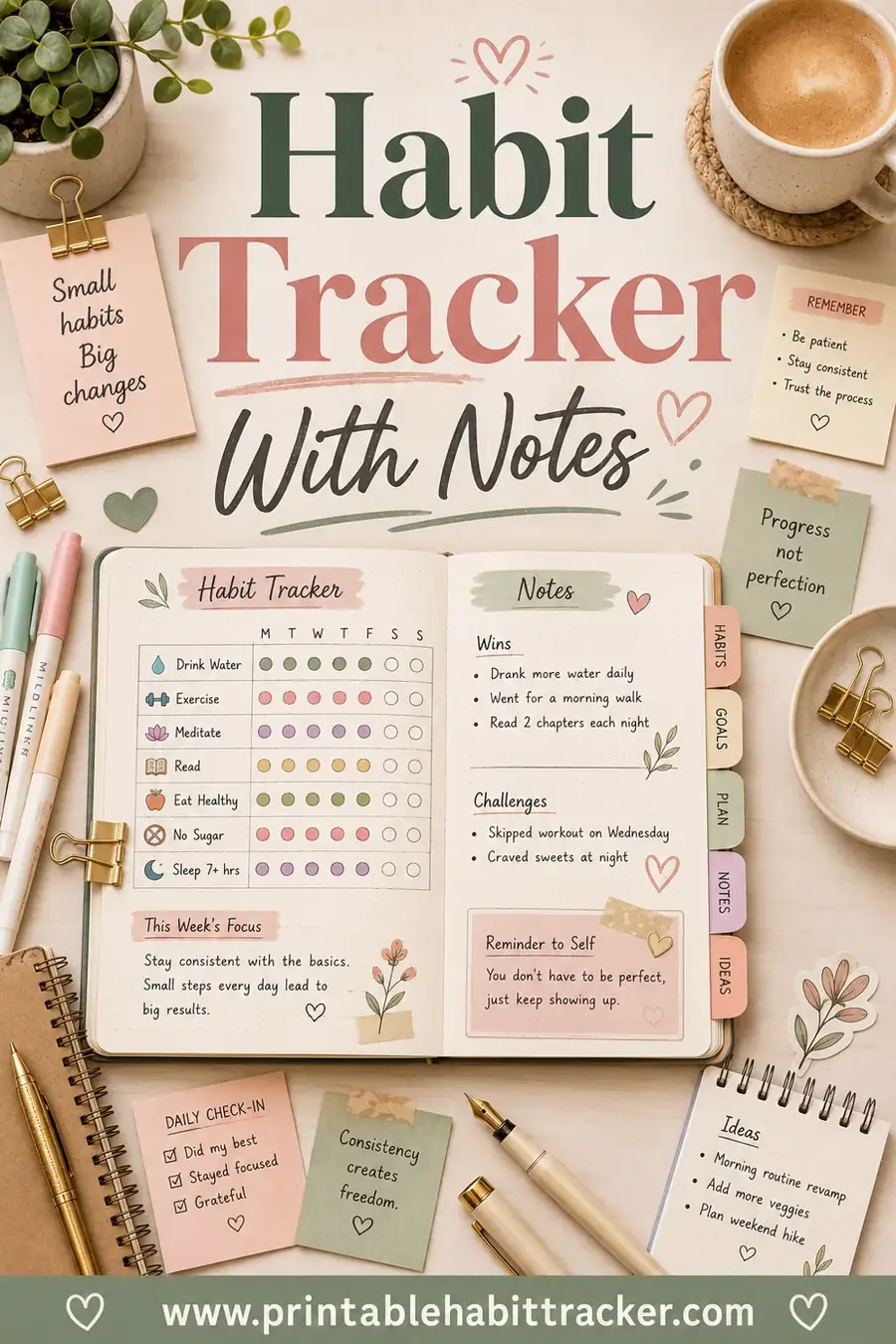
A habit tracker with notes combines two tools on one sheet: the usual grid of habits and checkboxes, plus a space to jot down a line or two about your day. You check your habits like normal, then add a quick note, what helped, what got in the way, how you felt. That little bit of writing turns a tracker into something far more useful, because it tells you why your streaks rise and fall. The fastest way to make one is with a free printable habit tracker maker: pick your habits, choose a layout with a notes column or journal box, and print.
Want to make yours now? Open the free tool, add your habits, choose a with-notes layout, and print. No sign-up, no cost, just a tracker that captures the story behind your habits.
What a Habit Tracker With Notes Adds
A plain tracker tells you what you did: five checks this week, two blanks. A tracker with notes tells you why. Next to your grid, you get a little room to write, and that small space changes everything.
Say your workout habit fell apart on Wednesday and Thursday. A plain grid just shows two empty boxes. With a note, you might see "exhausted, bad sleep both nights," and suddenly you have a clue: fix your sleep and the workouts may follow. The notes turn raw data into insight.
The writing space can take a few forms:
- A notes column beside the grid, one short line per day.
- A journal box at the bottom of the sheet for a longer weekly reflection.
- A side margin for quick observations as you go.
- A "wins and obstacles" section to capture what helped and what got in the way.
You don't need to write much. A few words a day is enough to spot patterns you'd otherwise miss.
Why Notes Make You More Consistent
Adding a few words to your tracker isn't busywork. It's one of the most powerful upgrades you can make. Here's why.
You spot your patterns. When you note what's happening around your habits, the patterns jump out. Maybe you always skip the gym after a late meeting, or you read more on quiet weekends. Once you see a pattern, you can plan around it.
Reflection deepens commitment. Writing a line about your day makes you pause and think, instead of just ticking a box on autopilot. That small moment of reflection keeps you connected to why the habit matters.
You learn from misses instead of feeling bad about them. A blank box can feel like failure. A note next to it ("traveling all day") reframes it as information. You stop beating yourself up and start problem-solving.
It captures the good stuff too. Noting your wins, "felt great after that walk", builds a record of evidence that the habits are working. On low-motivation days, flipping back through those notes is a real boost.
The Best Things to Write in Your Notes
You don't need to be a writer. Short and honest beats long and polished. Here are useful things to jot, with why each one helps and how to keep it quick.
| What to note | Why it helps | How to keep it short |
|---|---|---|
| What helped today | Reveals what makes habits easier | "Prepped clothes last night" |
| What got in the way | Spots recurring obstacles | "Skipped, too tired" |
| How you felt | Links mood to habits | One word: tired, calm, great |
| A small win | Builds positive evidence | "Walked 30 min, felt good" |
| Energy level | Predicts good and bad days | Rate 1–5 |
| One thing for tomorrow | Turns insight into action | "Sleep earlier tonight" |
Pick one or two of these to focus on, you don't need to write all six every day. Even a single word like "rough" or "easy" gives future-you a useful clue.
Keep it to a sentence
The biggest mistake is trying to journal a full page every day. That's too much, and you'll quit within a week. The whole point of a tracker with notes is that the writing is small. One honest line is plenty. If you happen to feel like writing more, great, but the daily minimum should be quick enough that you never dread it.
Layout Ideas for a Tracker With Notes
The habit tracker maker can build several with-notes formats. Here are the most useful.
- Grid + notes column. The classic. Habits and days on the left, a narrow column on the right for a daily line.
- Grid + bottom journal. The habit grid up top, a larger lined box underneath for a weekly reflection.
- Daily page. One day per row with generous note space, best if you like writing a bit more.
- Weekly spread. Seven days with a notes strip under each, plus a "this week I learned" box.
How much note space do you need?
Match the space to how much you actually write.
| Note style | Space needed | Best for |
|---|---|---|
| One word or rating | Tiny column | People who want data, not journaling |
| One short line | Narrow column | Most people, quick daily notes |
| A few sentences | Bottom journal box | Weekly reflection fans |
| A paragraph | Daily page | People who love to journal |
If you're not sure, start with a narrow notes column for one line a day. It's the easiest to keep up, and you can always switch to a bigger journal box later if you find you want more room.
How to Make Your Habit Tracker With Notes in 4 Steps
You'll have one ready in minutes.
- List your habits. Pick five or six concrete habits to track in the grid.
- Choose your frequency. Weekly works well with notes, enough room to reflect without the sheet getting cramped.
- Pick a with-notes layout. In the tool, choose a format with a notes column or a journal box, sized to how much you like to write.
- Print it. Print the sheet, keep a pen with it, and add a quick note each time you check your habits.
That's the whole process. Keeping the pen right next to the sheet matters even more here, since you're writing as well as checking. Make it effortless and you'll keep it up.
Tips for Notes That Actually Help
A few habits around the notes make them genuinely useful.
- Write right after you check. Pair the note with the habit check-in so it becomes one smooth ritual.
- Be honest, not impressive. These notes are for you. "Skipped, felt lazy" is more useful than a polished excuse.
- Look back weekly. The notes only pay off if you read them. Spend two minutes each week scanning for patterns.
- Keep it short. One line. If journaling feels like a chore, you'll drop the whole tracker.
- Act on what you find. If your notes keep saying "too tired," that's a signal. Use it.
Turn your notes into action
The real magic happens when you read your notes back. After a week or two, patterns appear: a certain habit always slips on busy days, or a good night's sleep makes everything easier. When you spot one, do something about it. Move a habit to a different time, prep the night before, or drop a habit that clearly isn't fitting your life right now. Notes without review are just diary entries; notes with review are how you actually improve.
Tracking With Notes for Different Goals
The grid-plus-notes combo suits almost any goal, and the notes are especially valuable when feelings are involved.
Health and fitness
Track workouts, water, and sleep, then note your energy and what helped or hurt. Over a month you'll see exactly which routines support your goals and which life events derail them. That insight is worth more than the checkmarks alone.
Mood and mental wellness
This is where notes shine. Track gentle habits, then jot a word about your mood each day. The link between your habits and how you feel becomes clear, and you get a record that's genuinely useful to look back on (or to share with a therapist, if that's part of your journey).
Work and productivity
Track deep-work blocks, breaks, and a daily shutdown, then note what threw off your focus. The notes reveal your real productivity patterns, which beats guessing about what's slowing you down.
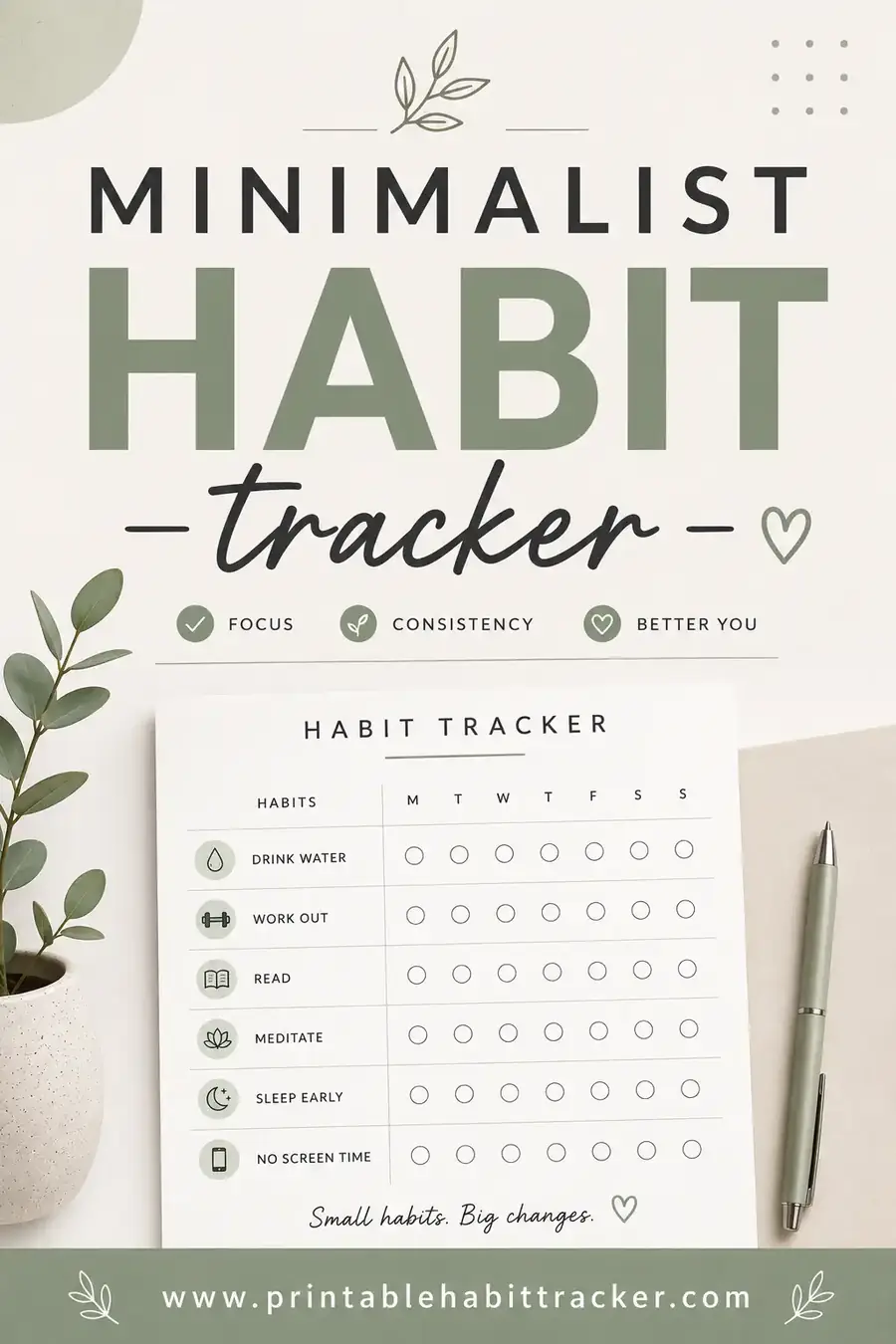
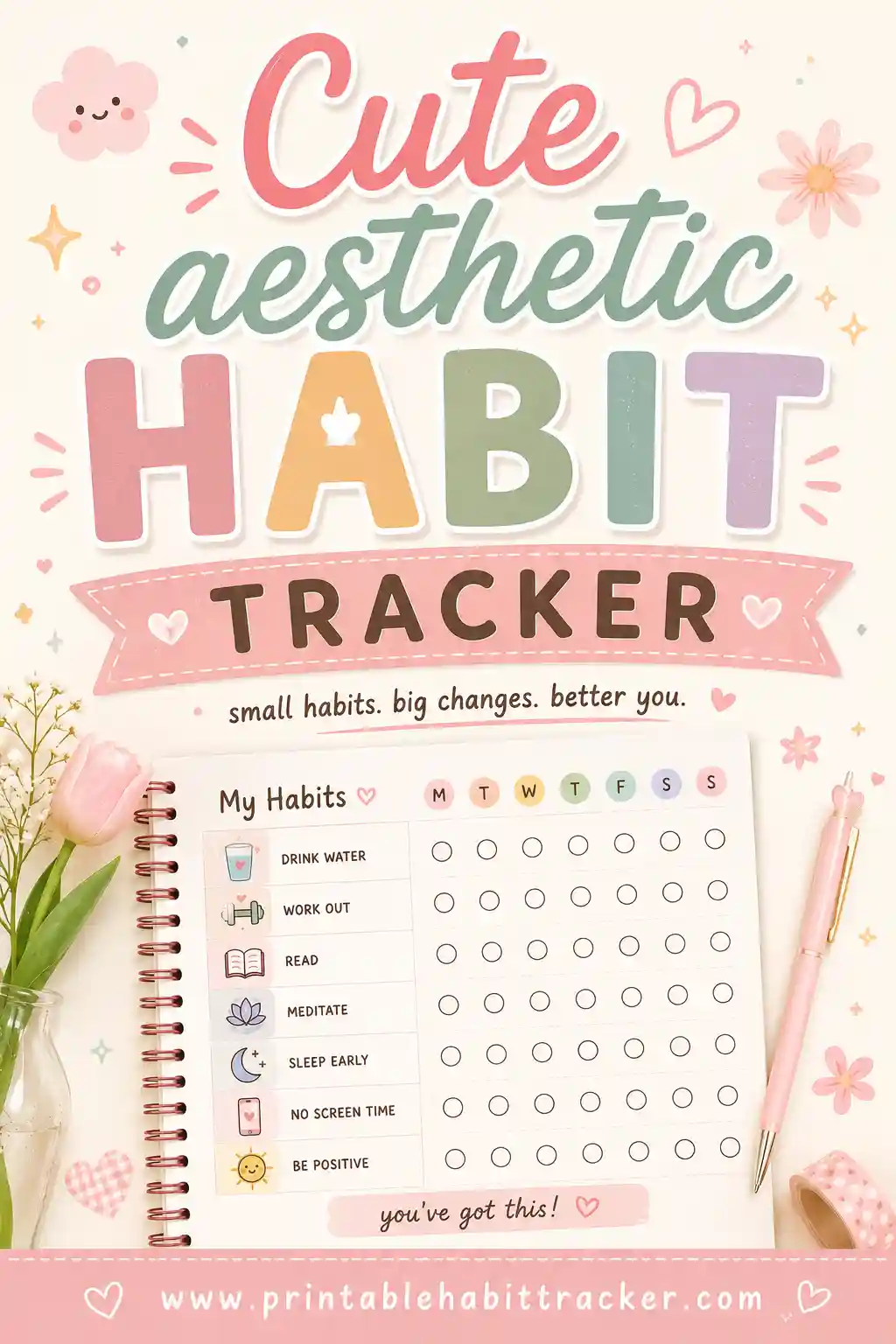
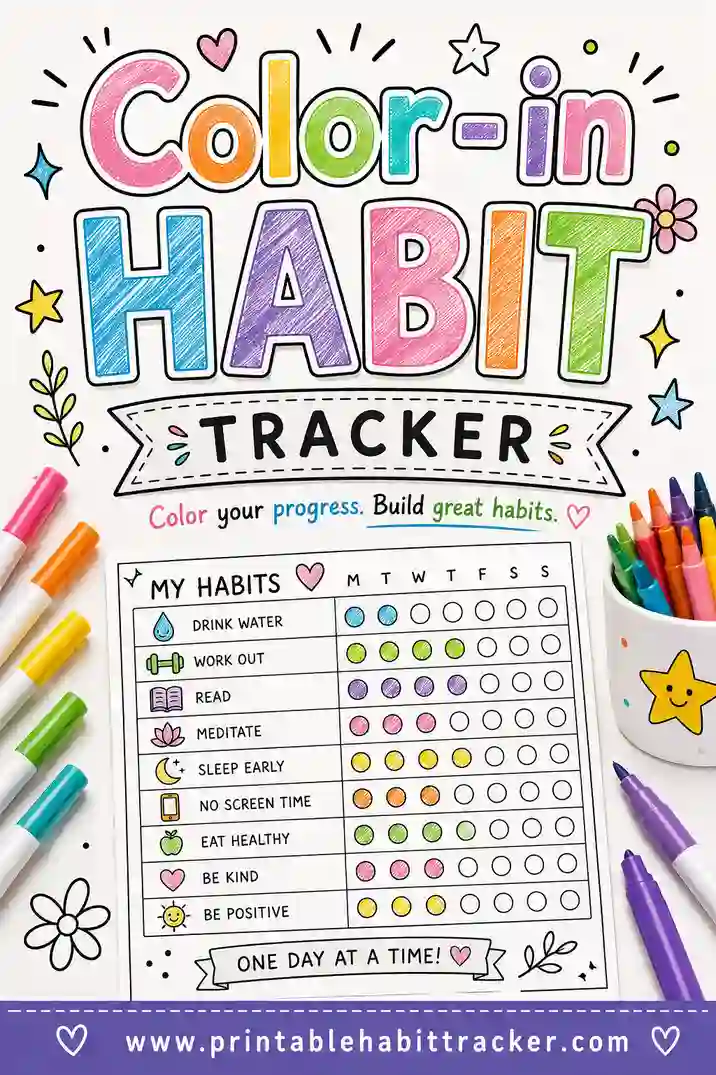
Want a cleaner sheet without the writing space? Try our minimalist habit tracker. Prefer something prettier or more hands-on? See the cute aesthetic habit tracker or the color-in habit tracker for a more playful daily ritual.
Frequently Asked Questions
What is a habit tracker with notes?
It's a habit chart that pairs the usual grid of habits and checkboxes with a writing space, a notes column, a journal box, or a side margin. You check your habits as normal, then jot a quick line about your day. The notes capture why your habits rose or fell, which the grid alone can't show. You can make one free with the printable tool.
What should I write in the notes section?
Keep it short and honest. Useful things to note: what helped, what got in the way, how you felt, a small win, or one thing to try tomorrow. Even a single word like "tired" or "great" gives you a clue. Pick one or two things to track rather than trying to write everything.
How much should I write each day?
One sentence is plenty, and one word is fine. The whole point is that the writing stays small enough that you never dread it. If you love journaling, choose a layout with a bigger box, but the daily minimum should be quick.
Why add notes instead of just using a plain tracker?
Notes turn data into insight. A plain grid shows that you missed two days; a note shows you missed them because you were sick or traveling. Reading your notes back reveals patterns you can act on, like a habit that always slips on busy days, so you improve instead of just recording.
Can I print a habit tracker with notes for free?
Yes. The maker lets you choose your habits, pick a layout with a notes column or journal space, and print as many sheets as you want at no cost. There's no sign-up and no watermark, so you can reprint a fresh sheet every week.
How do I actually use the notes to improve?
Read them back. Spend two minutes each week scanning your notes for patterns. When you spot one, a habit that always slips on certain days, or a trigger that derails your focus, change something: shift the habit's timing, prep the night before, or drop what isn't fitting. Reviewing your notes is what turns them from a diary into a tool.
Ready to Make Your Habit Tracker With Notes?
List your habits, open the free habit tracker maker, choose a layout with room to write, and print a sheet that captures both your streaks and the story behind them. It's free, there's no sign-up, and a single honest line a day might teach you more about your habits than a year of plain checkmarks. Print one today and start writing your way to real consistency.