Best Habits to Track for Students (Free Tracker)
The best habits to track for students are the ones that protect both your grades and your sanity: daily study time, a steady sleep schedule, water, movement, and a quick end-of-day review. You don't have to track all of them. Pick three or four, check them off each day, and let the streak keep you honest when motivation dips. The simplest way to stay consistent is to print a habit tracker and keep it on your desk.
Want to get going now? Open the free habit tracker, pick a few of the habits below, and print a clean grid you can tick off between classes. No app, no login, no cost.
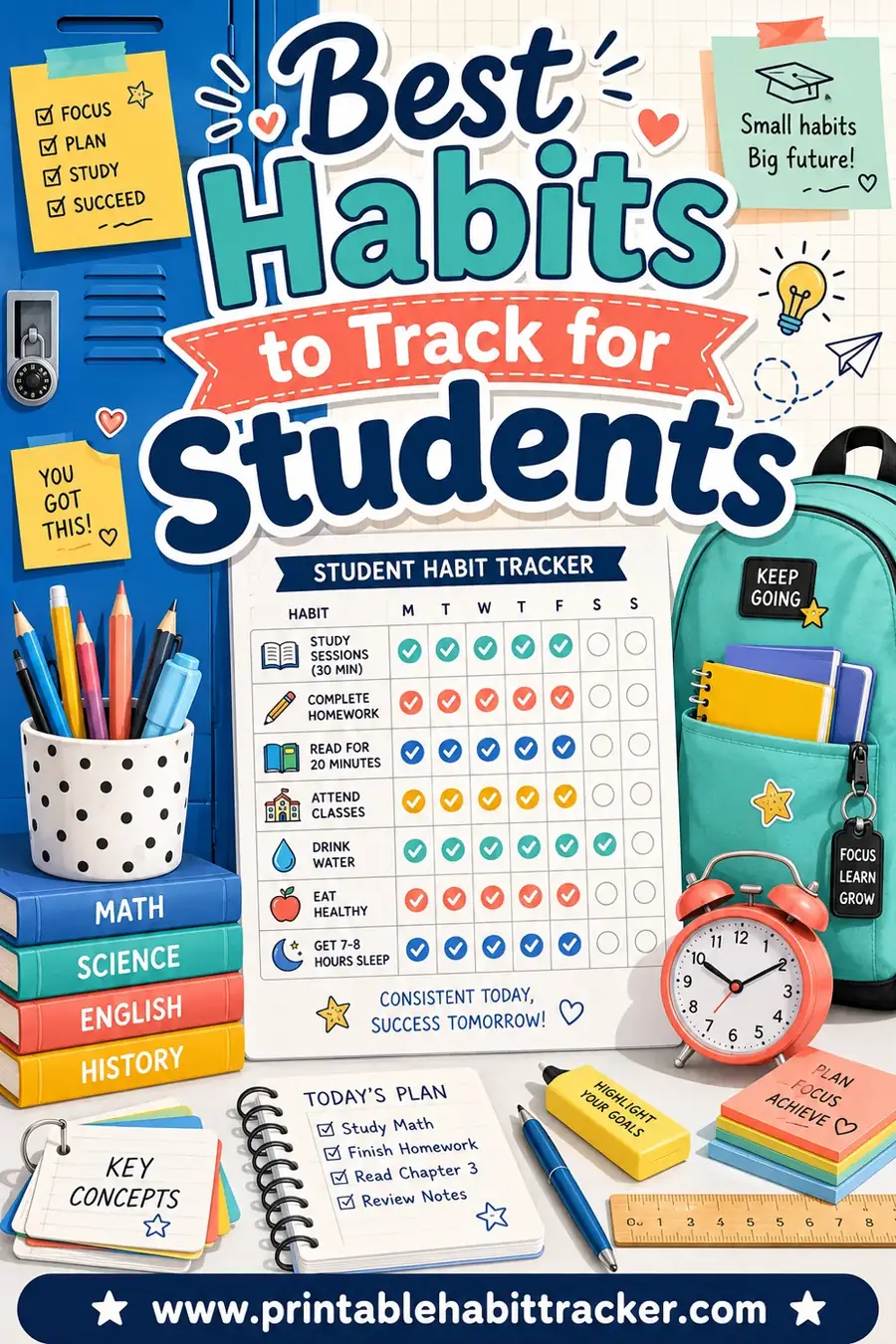
Why Students Should Track Habits
School is a juggling act. Classes, assignments, friends, maybe a job, and sleep somewhere in the cracks. It's easy to coast on memory and good intentions, then wonder where the week went.
A habit tracker fixes that by making your routine visible. You can see, in one glance, whether you've actually been studying daily or just telling yourself you have. The checkmarks add up, and the streak becomes its own little reward.
Better still, it takes the pressure off your memory. You don't have to keep a mental tally of "did I read today?" The grid keeps score for you, so your brain is free for the actual work.
The Best Habits to Track as a Student
You want habits that move the needle without crowding your day. The list below covers study, body, and mind. Pick a few that fit your schedule.
| Habit | Why it helps | Easy version |
|---|---|---|
| Study/review daily | Beats last-minute cramming | 30 focused minutes |
| Sleep 7–8 hours | Memory and focus | Same bedtime each night |
| Drink water | Energy and concentration | A bottle by lunch |
| Read 20 minutes | Vocabulary and calm | Before bed |
| Move your body | Mood and stress relief | A walk between classes |
| Plan tomorrow | Less morning panic | 5-minute list at night |
| No phone while studying | Real focus | Phone in another room |
| Pack your bag at night | Smoother mornings | Done before bed |
Don't try to track all eight. Choose the three or four that match your biggest weak spots. A first-year student fighting bedtime might track sleep and tomorrow-planning, while someone slipping on assignments tracks daily study and phone-free focus.
Daily study time
This is the single most useful habit on the list. Instead of "study more," track a specific block, like "30 minutes of focused review." Small and daily beats huge and rare. A short session most days builds memory far better than one frantic cram night.
A steady sleep schedule
Sleep is where good grades quietly live. Track your bedtime rather than total hours, since the time you go to bed is what you control. A consistent "lights out" beats chasing hours after a late night.
Phone-free focus
The phone is the silent grade-killer. Make "studied without the phone" a checkbox. Even putting it in another room for one block a day is a habit worth tracking, and the streak makes it feel like a game.
How Many Habits Should a Student Track?
Keep it light. You already have enough deadlines.
- New to tracking? Start with 2–3 habits. Get used to checking the grid first.
- Comfortable with it? 4–6 is plenty for a busy student.
- During exams? Cut back to the essentials: study, sleep, and one stress-buster.
If the tracker starts feeling like another assignment, trim it. The point is to lighten your load, not pile on more.
A Sample School Week
Wondering what a realistic week looks like? Here's a layout for a student finding their footing. It isn't perfect, on purpose.
| Habit | Mon | Tue | Wed | Thu | Fri | Sat | Sun |
|---|---|---|---|---|---|---|---|
| Study 30 min | ✅ | ✅ | ⬜ | ✅ | ✅ | ⬜ | ✅ |
| Sleep by 11 | ✅ | ⬜ | ✅ | ✅ | ⬜ | ⬜ | ✅ |
| Read 20 min | ✅ | ✅ | ✅ | ⬜ | ✅ | ✅ | ✅ |
| Plan tomorrow | ✅ | ✅ | ✅ | ✅ | ⬜ | ⬜ | ✅ |
Notice the weekends are lighter. That's normal and fine. A week that's mostly checked is a win, and the blank squares show you exactly where to nudge yourself next week.
How to Build Your Student Habit Tracker
No design skills needed. Here's the whole thing.
- Pick your habits. Choose three or four from the list above. Write the exact action, like "study 30 minutes," not a fuzzy goal like "do better."
- Match it to your schedule. A weekly grid suits the school rhythm well. A monthly view is nice for tracking a long streak across a term.
- Print it. Use the free habit tracker to generate a clean grid with your habits filled in.
- Keep it visible. Tape it inside a binder, on your desk, or by your study spot.
- Check off daily. A set time helps, like right after dinner or before you close your books for the night.
The setup takes a few minutes, and then your routine starts running on autopilot.
Tips to keep it going
- Stack it onto an existing routine. Mark the tracker right after you sit down to study, so there's a built-in cue.
- Pair the tracker with a reward. A full study week might earn a guilt-free movie night.
- Track during the calm weeks too. Habits built when school is quiet hold up when exam season hits.
- Don't quit over one blank box. Missing a day is normal. Just check the next one tomorrow.
Common Mistakes Students Make
A few traps catch almost everyone:
- Tracking too many habits. A crowded grid feels like homework. Start with three.
- Only tracking during exams. Habits built in a panic rarely stick. Build them when things are calm.
- Vague habits. "Be productive" is impossible to check off. "Study 30 minutes" is easy.
- Ignoring sleep. It feels like wasted time when you're busy, but it's where memory consolidates. Track it.
- Never looking back. Glance at your week on Sunday. The patterns tell you what to fix.
Habit Ideas by Student Goal
Not sure where to focus? Match your tracker to what you most want to improve.
| Your goal | Habits worth tracking |
|---|---|
| Better grades | Daily study, phone-free focus, review notes |
| Less stress | Sleep on time, a walk, plan tomorrow |
| More energy | Water, real meals, sleep schedule |
| Stronger reading | Read 20 minutes, vocabulary words, no late screens |
| Smoother mornings | Pack bag at night, lay out clothes, plan tomorrow |
Pick the row that matches your biggest struggle right now, and build your tracker around it. You can shift focus once one goal feels handled.
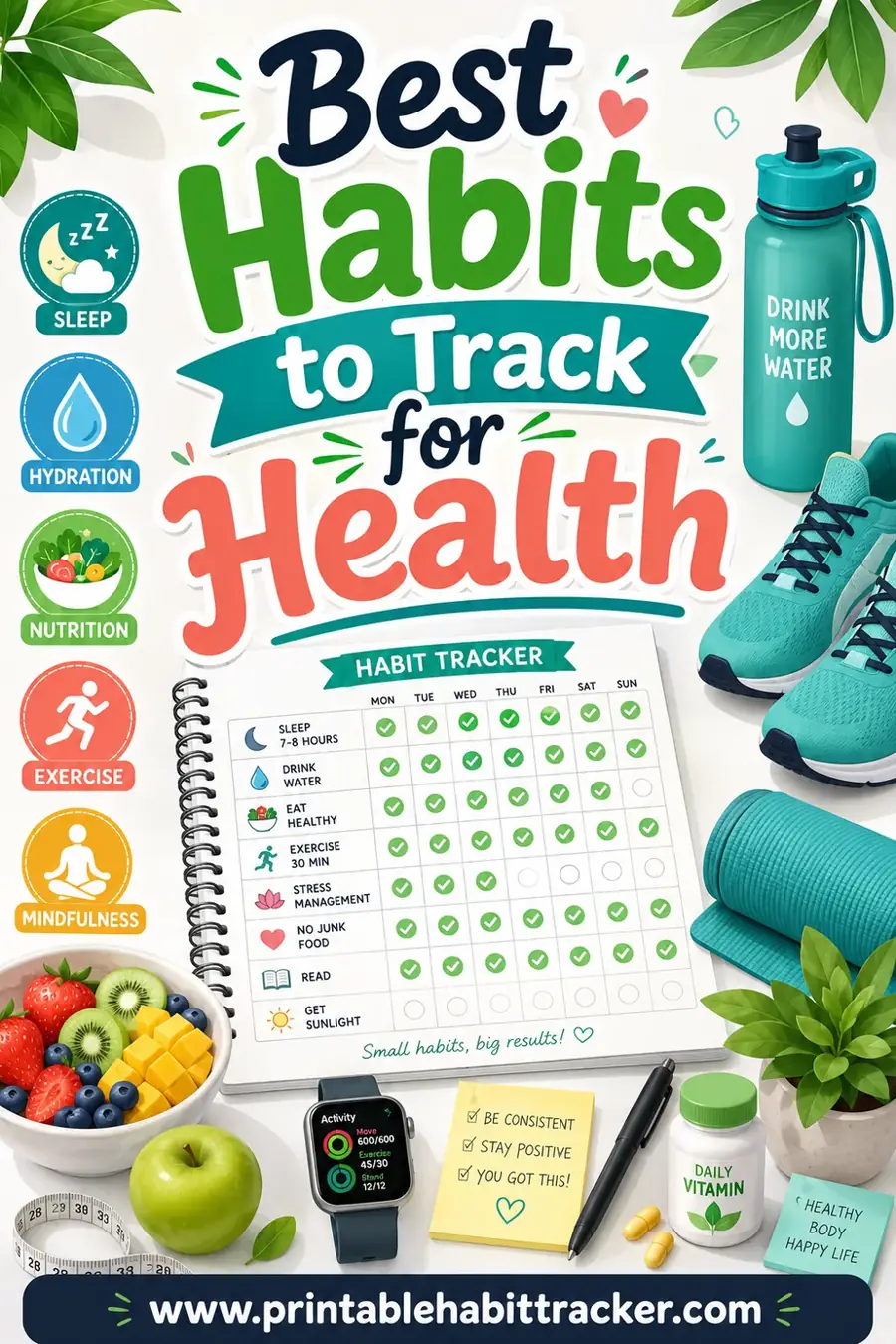
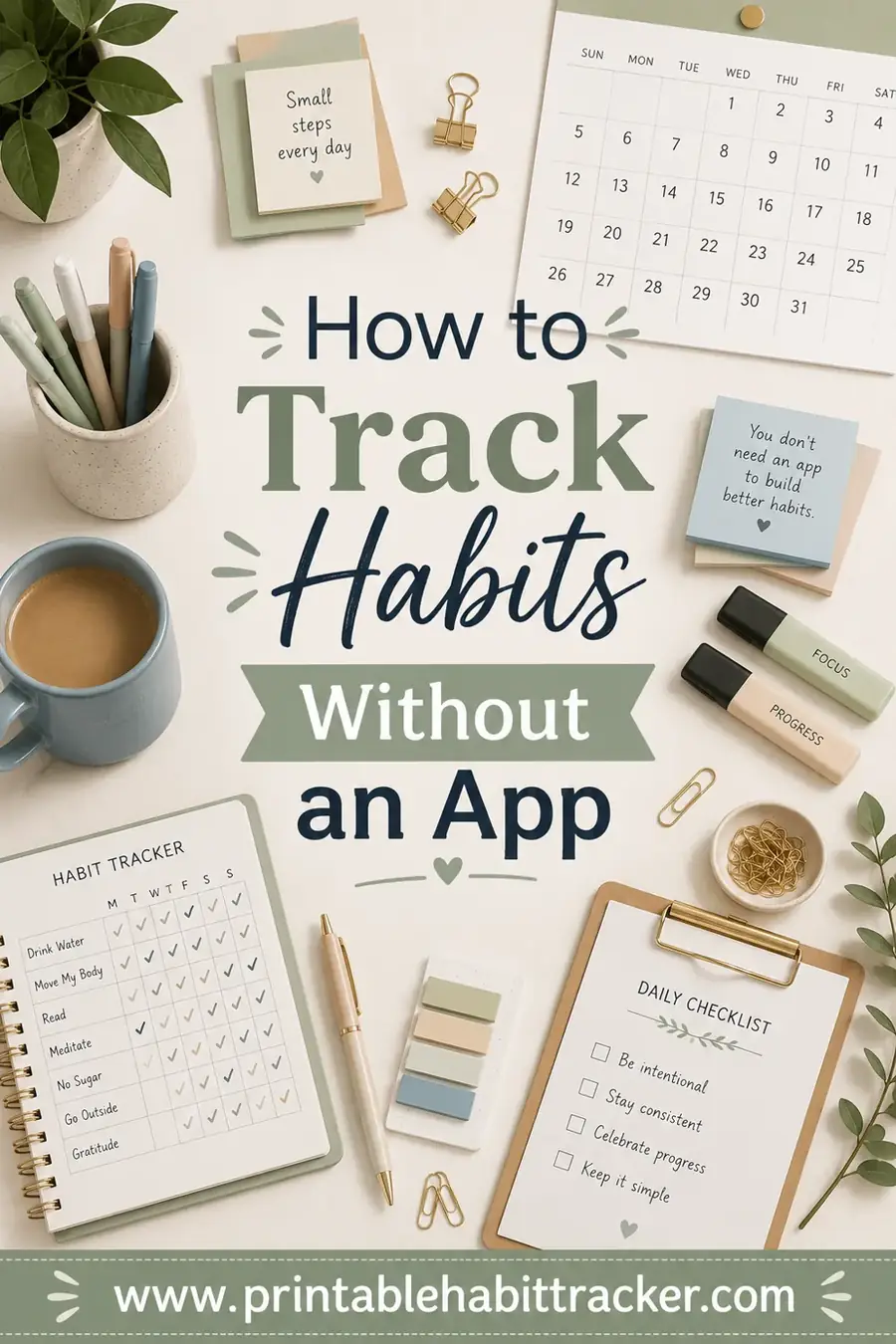
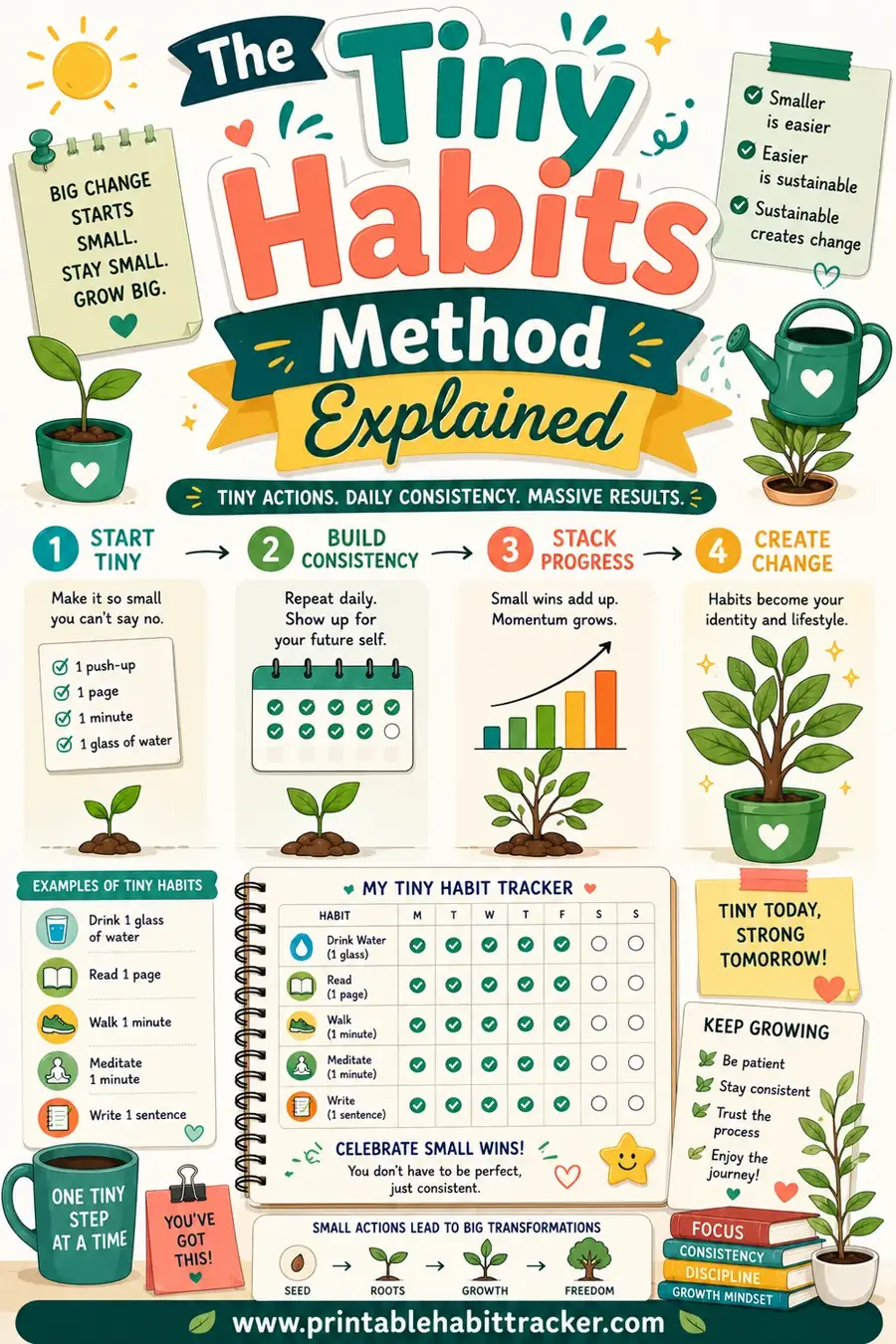
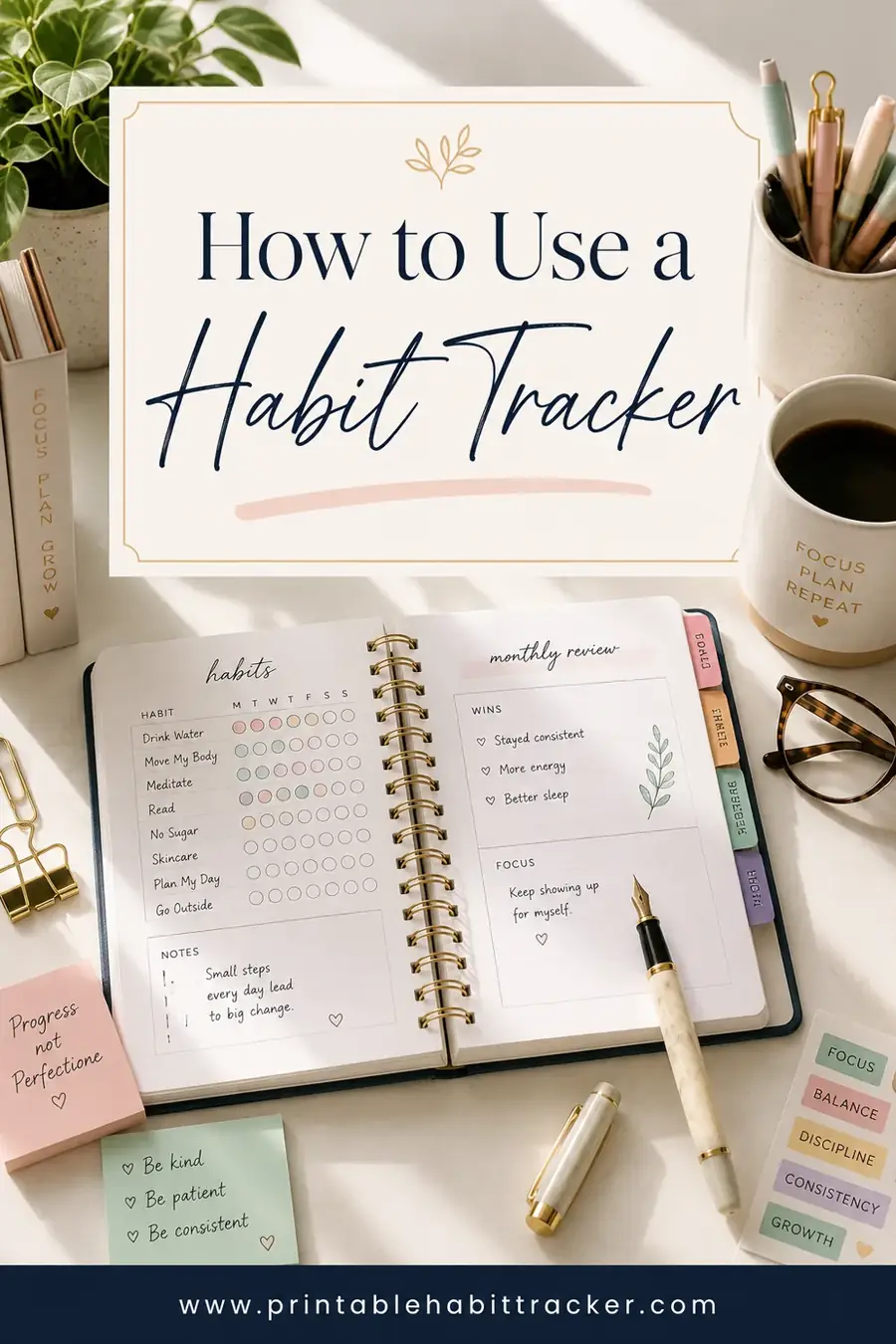
If you want to go deeper, our guides on the tiny habits method and how to track habits without an app pair well with student life. For the wellness side, see the best habits to track for health.
Building Habits Around Your Class Schedule
A student's week isn't flat. Some days are packed with classes, others are wide open, and exam weeks throw everything off. The trick is to build habits that flex with your schedule instead of fighting it.
Start by anchoring each habit to a fixed point in your day, not a specific clock time. "Study after lunch" survives a schedule change better than "study at 2 p.m." Your lunch happens every day, even when your timetable shifts, so the cue stays reliable.
For habits that depend on free time, build a "minimum version" you can do on the busiest day. On a normal day you might read 20 minutes. On a day with back-to-back classes and a shift at work, the minimum is one page. You still check the box, the streak survives, and you don't feel like you failed.
Here's how a few common habits can flex:
- Study time. Full version: 45 focused minutes. Minimum: review one set of notes.
- Movement. Full version: a gym session. Minimum: walk between two classes.
- Reading. Full version: a chapter. Minimum: one page before bed.
- Planning. Full version: a detailed schedule. Minimum: write tomorrow's top three tasks.
Surviving exam season
Exam weeks are when habits matter most and feel hardest to keep. The instinct is to drop everything except studying, but that's a mistake. Sleep, water, and a short daily walk are what keep your brain sharp enough to study well.
During exams, shrink your tracker to three rows: a study habit, sleep, and one stress-buster like a walk or a few minutes outside. Keep checking those boxes. A rested, hydrated brain remembers more than an exhausted one running on caffeine, and the tracker keeps those basics from quietly disappearing when you need them most.
Frequently Asked Questions
What are the best habits to track for students?
Start with daily study time, a consistent sleep schedule, drinking water, reading, and planning tomorrow. These protect both your grades and your energy. Pick three or four to check off on a printable tracker rather than trying to do everything at once.
How many habits should a student track?
Two or three when you're starting, and up to five or six once you're comfortable. During exam weeks, cut back to the essentials so the tracker stays a help, not another assignment.
Do I need an app to track habits as a student?
No. A printed paper tracker works great and keeps you off your phone, which is a win for focus. You can make a free printable grid in a couple of minutes and tape it inside your binder or on your desk.
What's the most important habit for students to track?
For most students, it's daily study time, closely followed by a steady sleep schedule. A short, consistent study block beats last-minute cramming, and good sleep is where your memory actually locks in what you learned.
How do I stay consistent during a busy semester?
Keep your tracker short and visible, and stack it onto something you already do, like checking it right after you sit down to study. Don't quit over a missed day. A week that's mostly checked is a real success.
Should students track habits weekly or monthly?
A weekly grid fits the school rhythm and feels manageable, so it's a great starting point. Switch to a monthly view when you want to see a longer streak across a term and your habits already feel steady.
Ready to Track Your Student Habits?
Pick three or four habits from the lists above, open the free habit tracker, and print a clean grid you can start checking off today. It's free, there's no sign-up, and a few small daily checkmarks can steady your whole semester. Start with one box tonight.