The Tiny Habits Method Explained (Simple Guide)
The tiny habits method is a simple way to build new routines by making them so small they feel almost effortless. Instead of "do 50 push-ups," you start with "do two push-ups." You attach that tiny action to something you already do, then celebrate the win right away. Over time, the habit grows on its own. A habit tracker makes the method even stronger, because checking a box is its own small celebration.
Want to put it into practice right now? Open the free habit tracker, add one tiny habit, and print a clean grid you can check off each day. No app, no sign-up, no cost.
What Is the Tiny Habits Method?
The tiny habits method, popularized by behavior researcher BJ Fogg, flips the usual advice on its head. Most habit plans tell you to push harder and rely on willpower. Tiny habits says the opposite: make the habit so small that willpower barely matters.
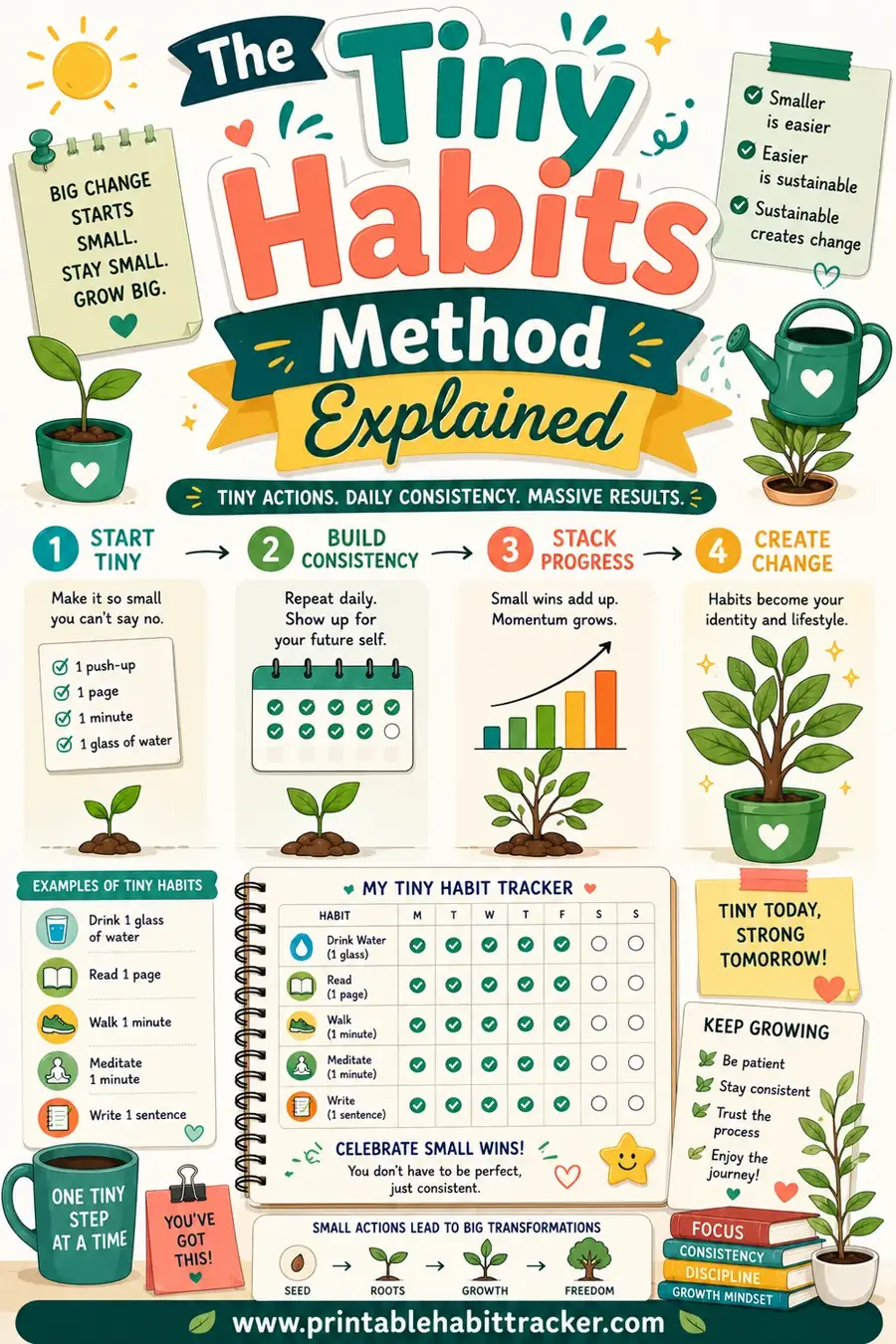
The core idea has three parts. You shrink the habit until it's almost laughably easy. You anchor it to an existing routine so you don't have to remember it. Then you celebrate the moment you do it, so your brain learns to like it.
That's the whole thing. No epic transformations, no white-knuckling. Just small actions, repeated, that grow naturally over time. It works because tiny actions don't trigger resistance, and resistance is what kills most new habits.
The Three Steps, Broken Down
Here's the method laid out as steps you can follow today.
| Step | What you do | Example |
|---|---|---|
| 1. Shrink it | Make the habit tiny | "Floss one tooth" |
| 2. Anchor it | Attach it to an existing routine | "After I brush my teeth…" |
| 3. Celebrate | Mark a small win right away | "…I check my tracker and smile" |
Notice how small the example is. "Floss one tooth" sounds silly, and that's the point. Once flossing one tooth is automatic, flossing the rest comes naturally, because you're already holding the floss. The tiny version removes the friction.
Step 1: Shrink the habit
Take whatever you want to do and cut it down until it feels too easy to skip. Want to read more? Start with one page. Want to exercise? Two push-ups. Want to meditate? Three slow breaths. If it still feels hard, shrink it further.
Step 2: Anchor it to a routine
You don't need an alarm. You need an anchor: a thing you already do every day. The formula is "after I [existing habit], I will [tiny habit]." After I pour my coffee, I write one sentence. The existing routine becomes the reminder.
Step 3: Celebrate the win
This step gets skipped, and it's the secret sauce. The instant you do the tiny habit, give yourself a small jolt of positive feeling. Say "yes!", do a little fist pump, or check a box on your tracker. That good feeling is what wires the habit in.
Why Tiny Habits Beat Big Goals
Big goals feel inspiring on day one and exhausting by day three. Here's why starting tiny works better.
- No motivation required. A tiny habit is so small you can do it even on your worst day. That keeps the streak alive.
- It builds identity. Doing two push-ups daily makes you "a person who exercises." That identity does the heavy lifting later.
- It grows on its own. Once you're already doing the tiny version, doing more often feels natural, not forced.
- It survives bad days. On a rough day you can't do a full workout, but you can do two push-ups. The chain stays unbroken.
The goal at the start isn't results. It's consistency. Results follow once the habit is locked in.
How a Tracker Supercharges the Method
The tiny habits method and a habit tracker are a natural pair. Here's why.
A tracker gives you the celebration step built right in. Each time you do your tiny habit, you check a box, and that little mark is a small, satisfying reward. It also keeps the habit visible, so your anchor has a backup reminder.
And a tracker shows your streak. After a week of checkmarks, you've got proof you're becoming the kind of person who does this thing. That visible chain is exactly the kind of motivation tiny habits are designed to create.
A Sample Week of Tiny Habits
Here's what a beginner's week might look like. Notice how small each habit is, and that it's not a perfect score.
| Tiny habit | Mon | Tue | Wed | Thu | Fri | Sat | Sun |
|---|---|---|---|---|---|---|---|
| 2 push-ups | ✅ | ✅ | ✅ | ⬜ | ✅ | ✅ | ✅ |
| Read 1 page | ✅ | ✅ | ⬜ | ✅ | ✅ | ✅ | ⬜ |
| Floss 1 tooth | ✅ | ✅ | ✅ | ✅ | ✅ | ⬜ | ✅ |
By the end of the month, "2 push-ups" has often grown into a real set, and "1 page" into a chapter, without ever feeling forced. That's the method working.
How to Start Your First Tiny Habit
You can set this up in a few minutes. Here's the whole process.
- Pick one habit you want. Just one, to start. Choose something you've struggled to make stick.
- Shrink it. Cut it down until it feels almost too easy. One page, two push-ups, three breaths.
- Find your anchor. Name an existing routine to attach it to. "After I [anchor], I will [tiny habit]."
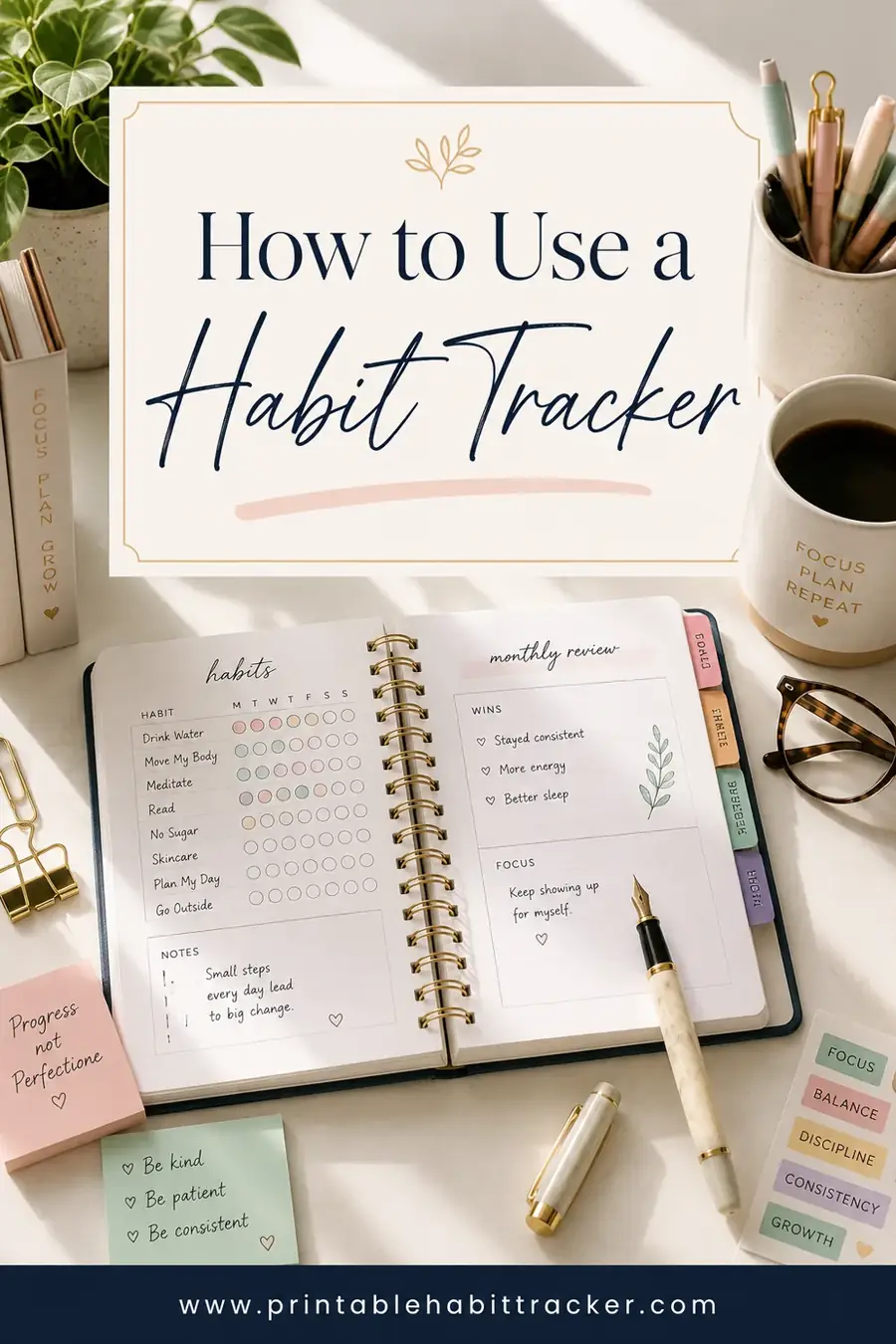
- Print your tracker. Use the free habit tracker to make a clean grid with your tiny habit in a row.
- Do it and celebrate. Each day, do the tiny action, check the box, and give yourself a small win.
That's it. Keep the habit tiny for a week or two before you let it grow. The slow start is what makes the habit last.
Common anchors that work well
The best anchors are things you already do without fail:
- After I pour my morning coffee…
- After I brush my teeth…
- After I sit down at my desk…
- After I close my laptop for the day…
- After I get into bed…
Pick an anchor that happens at the right time of day for your habit, and the routine reminds itself.
Common Mistakes With Tiny Habits
Even a simple method has a few traps:
- Making the habit too big. "Run a mile" isn't tiny. "Put on my running shoes" is. If it feels hard, shrink it more.
- Skipping the celebration. The win feeling is what wires the habit. Don't leave it out.
- No clear anchor. "Sometime today" gets forgotten. Tie it to a specific existing routine.
- Growing it too fast. Let the tiny version run for a week or two before scaling up.
- Tracking too many at once. Start with one or two tiny habits, not ten.
Tiny Habit Ideas by Goal
Not sure where to start? Match a tiny habit to what you want to build.
| Your goal | Tiny habit to start | Anchor idea |
|---|---|---|
| Exercise more | 2 push-ups | After I brush my teeth |
| Read more | 1 page | After I get into bed |
| Drink more water | 1 glass | After I sit at my desk |
| Less stress | 3 slow breaths | After I close my laptop |
| Tidier home | Put away 1 item | After I walk in the door |
| Write more | 1 sentence | After I pour my coffee |
Pick one row, shrink it, anchor it, and track it. Once it's automatic, the habit will grow on its own.
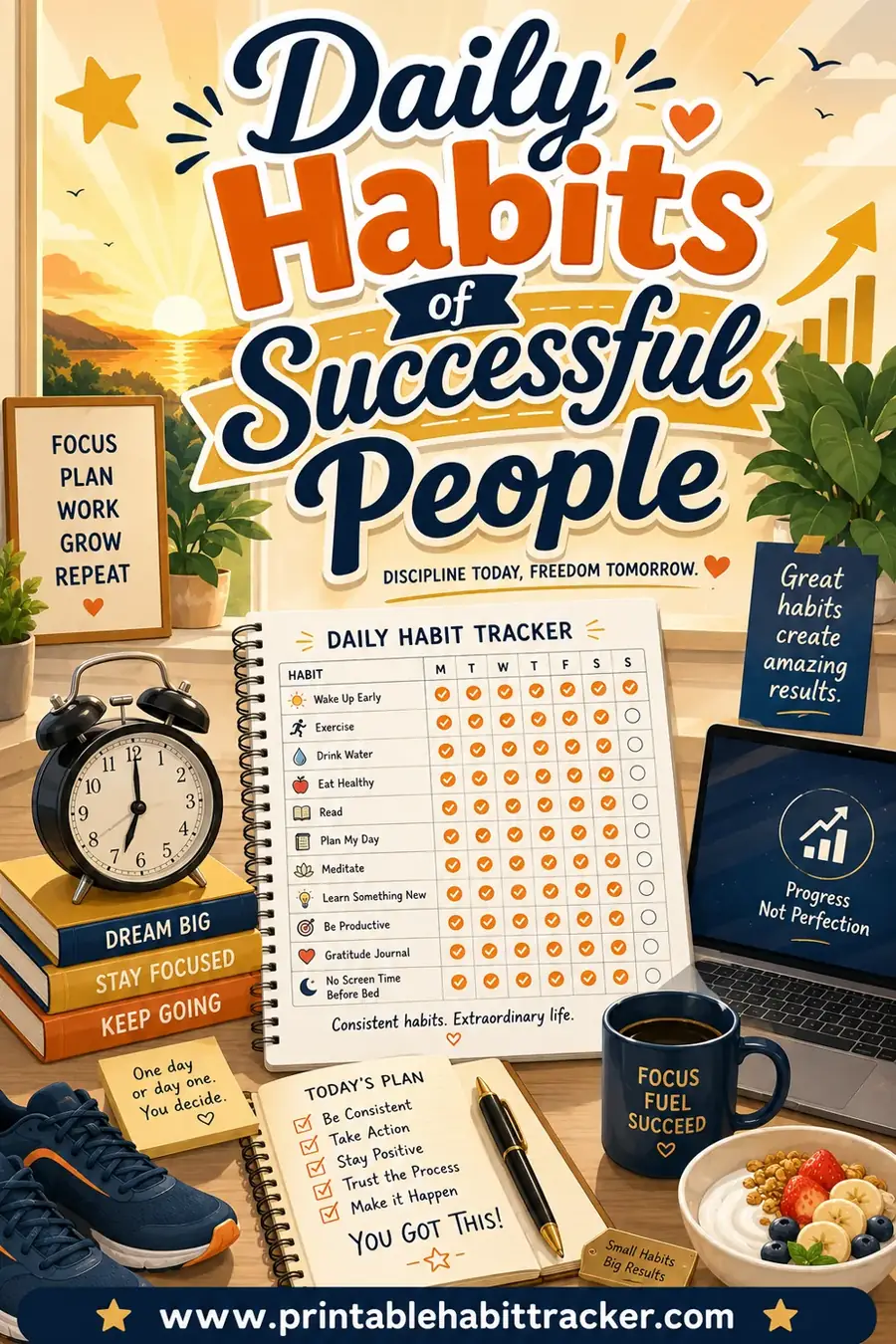
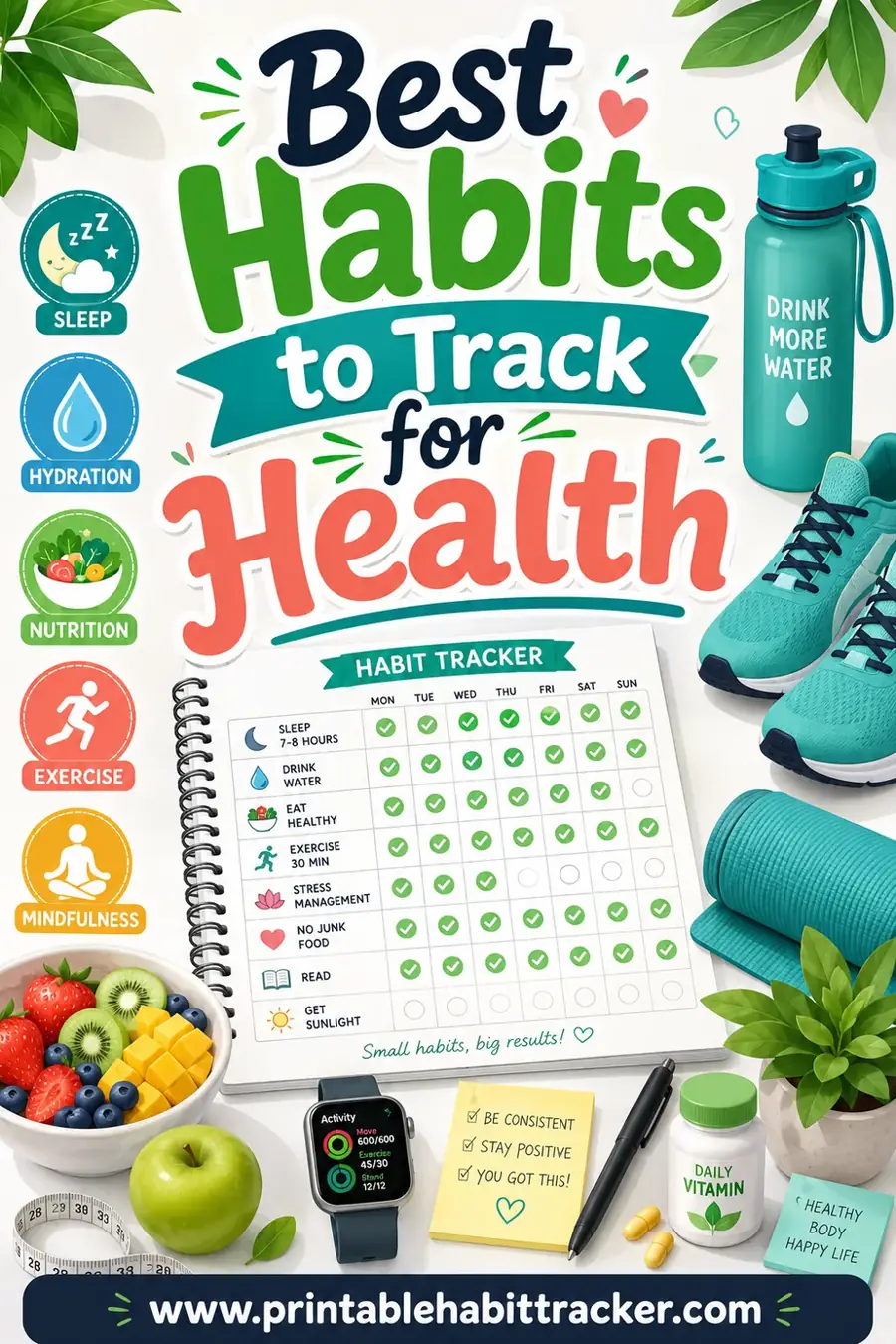
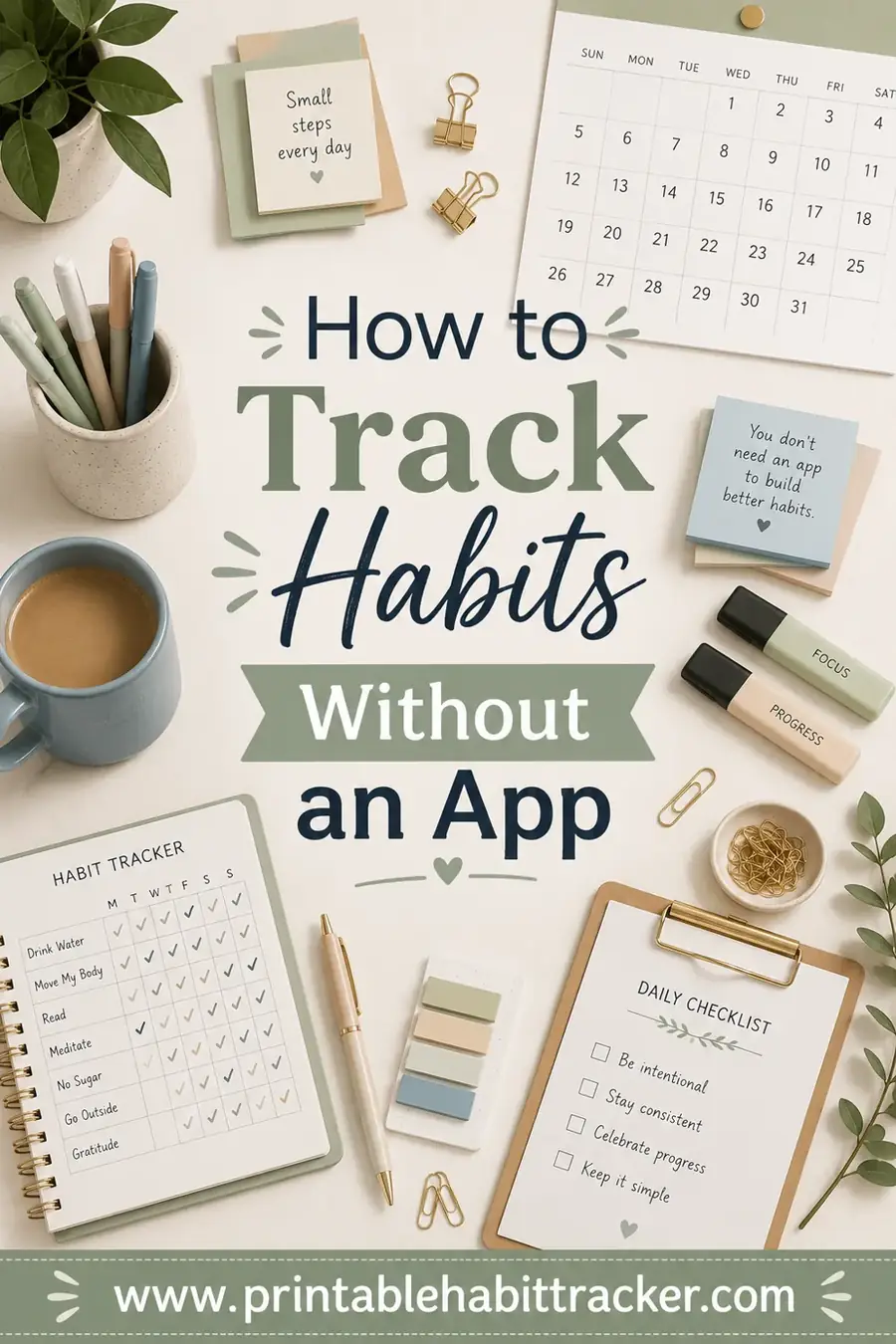
Want to keep building? Our guide to the daily habits of successful people shows how small habits stack into a routine. You might also like the best habits to track for health and how to track habits without an app.
How Tiny Habits Grow Into Big Ones
People worry that starting with two push-ups means they'll only ever do two push-ups. In practice, the opposite happens, and understanding why helps you trust the method.
Once you're already doing the tiny action, the hardest part is done. The hardest part of exercise isn't the tenth push-up, it's getting down on the floor in the first place. The tiny habit gets you past that friction. Once you're there, doing a few more feels natural, not forced.
This is sometimes called "the gateway move." Putting on running shoes is the gateway to a run. Opening the book is the gateway to reading. Filling one glass is the gateway to drinking water all day. The tiny habit isn't the whole goal, it's the thing that reliably gets you started, and starting is where most habits fail.
So your job is simple: keep the official habit tiny, and let any extra be a bonus. Some days you'll do exactly two push-ups, and that still counts as a win you check off. Other days you'll do twenty. Both keep the streak alive, and over weeks the average naturally drifts upward without you ever forcing it.
Stacking tiny habits into a routine
Once one tiny habit is automatic, you can use it as the anchor for the next one. This is called habit stacking, and it's how a single tiny habit grows into a full morning or evening routine.
The pattern looks like this:
- After I pour my coffee, I write one sentence.
- After I write one sentence, I read one page.
- After I read one page, I check my tracker.
Each habit triggers the next, so you build a chain that runs almost on autopilot. Add only one new link at a time, and wait until it's solid before adding another. Track each new habit on its own row so you can see which links in the chain are holding and which need to shrink a little more.
Frequently Asked Questions
What is the tiny habits method in simple terms?
It's a way to build habits by making them tiny, attaching them to something you already do, and celebrating the moment you do them. Instead of "do 50 push-ups," you start with two. The small size removes resistance, so the habit actually sticks and grows over time.
Who created the tiny habits method?
It was developed and popularized by behavior researcher BJ Fogg, based on his work on how behavior change really happens. The core insight is that small actions tied to existing routines are far more reliable than big goals fueled by willpower.
Why does starting tiny work better than setting big goals?
Big goals need motivation, and motivation comes and goes. A tiny habit is so small you can do it even on a bad day, which keeps your streak alive. Consistency, not size, is what eventually produces results.
How do I keep a tiny habit from staying tiny forever?
You don't force it. Once the tiny version is automatic, doing more usually happens naturally because you're already in motion. Two push-ups becomes ten on its own. Let it grow rather than scheduling the increase.
Do I need a tracker for the tiny habits method?
You don't strictly need one, but a tracker pairs perfectly with the method. Checking a box gives you the built-in celebration the method calls for, keeps the habit visible, and shows your growing streak. A free printable grid does the job nicely.
How long until a tiny habit becomes automatic?
It varies, but because tiny habits are so easy, they often feel automatic within a few weeks. The anchor and the daily checkmark speed things up by keeping the habit consistent and front of mind.
Ready to Build Your First Tiny Habit?
Pick one habit, shrink it, anchor it, and open the free habit tracker to print a grid you can start checking off today. It's free, there's no sign-up, and the whole point is that it's small enough to actually do. Start with one tiny box tomorrow.