Bullet Journal Habit Tracker: Free Printable & Ideas
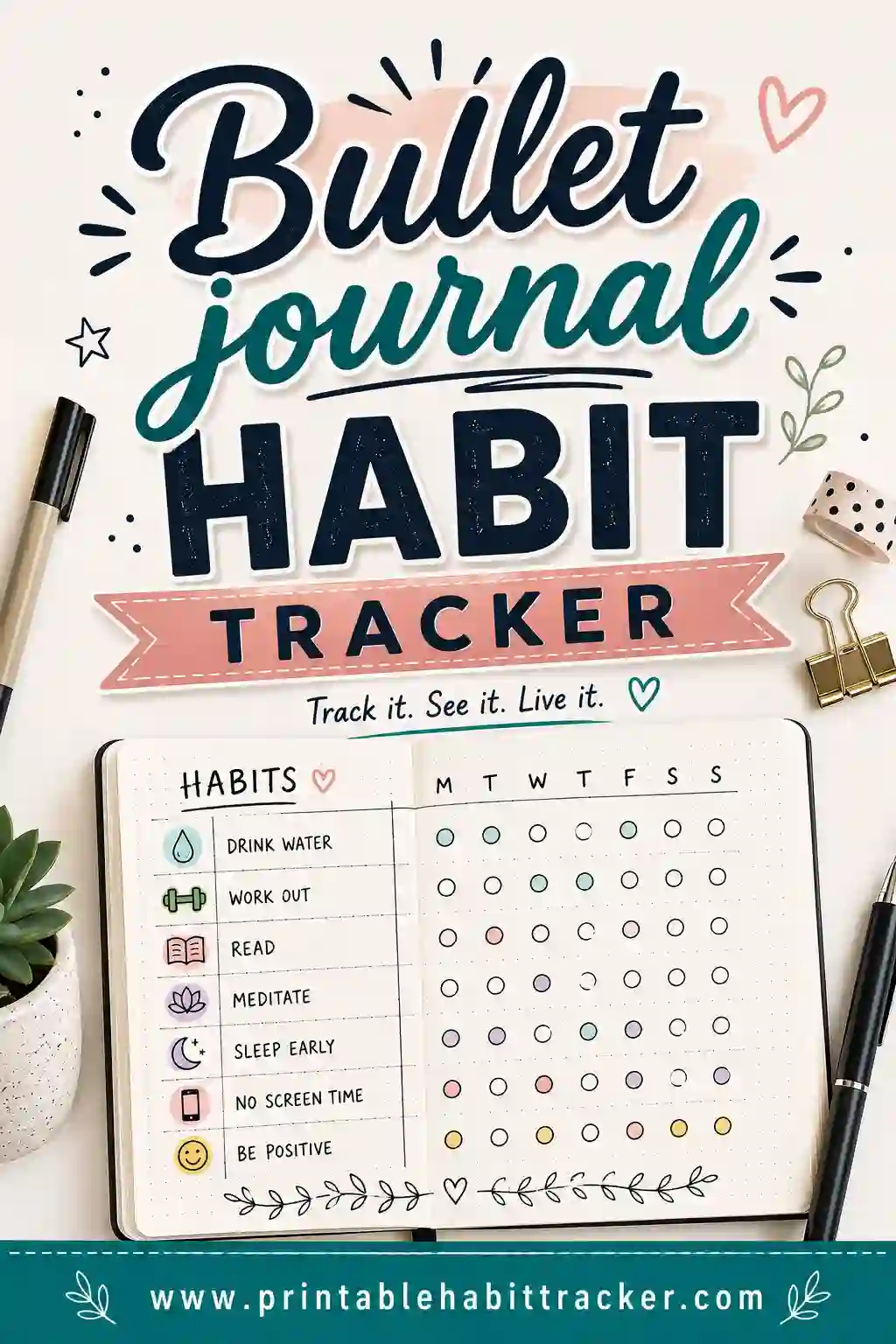
A bullet journal habit tracker is a hand-drawn (or printed-and-pasted) grid in your bujo where you list your habits and fill in a box, circle, or doodle for each day you follow through. It blends the satisfaction of tracking with the creativity of a journal you actually enjoy keeping. If drawing a perfect grid by hand isn't your thing, you can use a free printable habit tracker to make a clean layout, print it small, and paste it right onto the page.
Want a tidy tracker without the ruler-and-pencil work? Open the free tool, type in your habits, pick a layout, and print a sheet you can cut out and glue into your journal. No sign-up, no fee, nothing to install.
What Is a Bullet Journal Habit Tracker?
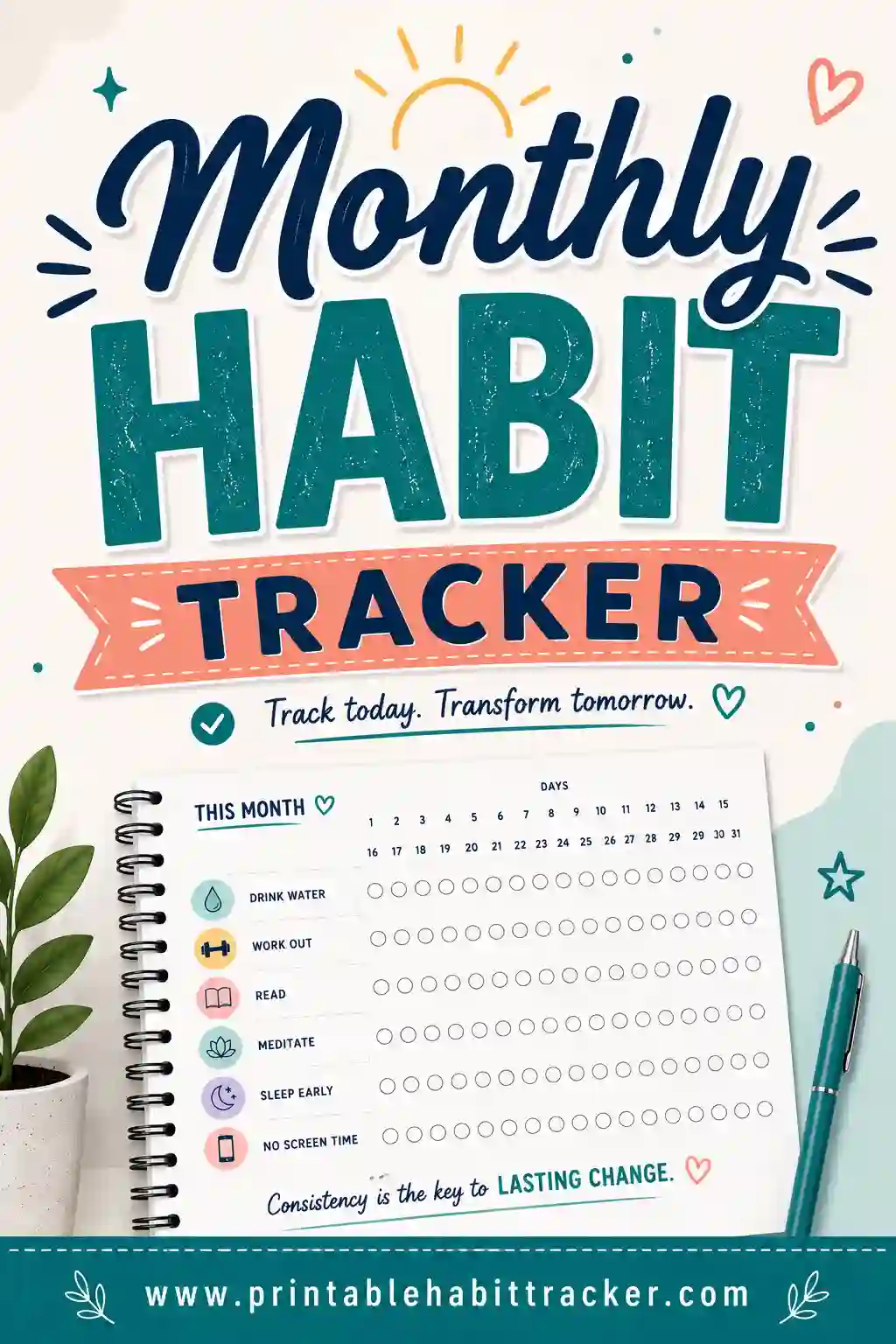
A bullet journal (or "bujo") is a flexible, dot-grid notebook you set up however you like. A habit tracker is one of the most popular pages people add. It's a simple grid: your habits listed somewhere, the days of the month or week marked out, and a box to fill in each time you do a habit.
What makes the bujo version special is the creative freedom. You're not stuck with one rigid template. You can draw a calendar wheel, a row of circles, a little garden where each habit is a flower, or a plain neat grid. The tracking is the same. The style is all yours.
That creativity is also the catch. Drawing a clean grid by hand, month after month, takes time and a steady ruler. That's where a printable comes in handy: you get the tidy grid in seconds, then add your own color and doodles on top.
Why Track Habits in a Bullet Journal
Plenty of people track habits on a plain sheet and love it. So why do it in a bujo? Because the journal makes the whole thing more personal and more fun to return to.
- It's all in one place. Your habits live next to your to-dos, notes, and plans, so you see them every time you open the journal.
- Creativity keeps you coming back. A page you enjoy designing is a page you'll actually use.
- You can mix views. A monthly streak grid on one page, a weekly checklist on the next, whatever suits the habit.
- It becomes a keepsake. Flip back in a year and you've got a colorful record of how you spent your days.
The act of designing the tracker is part of the habit-building itself. The time you spend setting it up is time you're thinking about your goals, which makes you more likely to follow through.
Habit Tracker Ideas for Your Bullet Journal
The bujo world is full of creative tracker styles. Here are some of the most loved, and what each is good for.
| Layout idea | What it looks like | Best for |
|---|---|---|
| Classic grid | Habits down the side, days across the top | Tracking several habits at once |
| Circle/wheel tracker | A pie split into days, one ring per habit | A pretty monthly view of one or two habits |
| Mini habit garden | Each day you fill a petal or leaf | A single habit you want to "grow" |
| Color-in chart | Boxes you color instead of check | Visual people who love a finished mosaic |
| Mood + habit combo | Habits plus a daily mood color | Spotting how mood and habits connect |
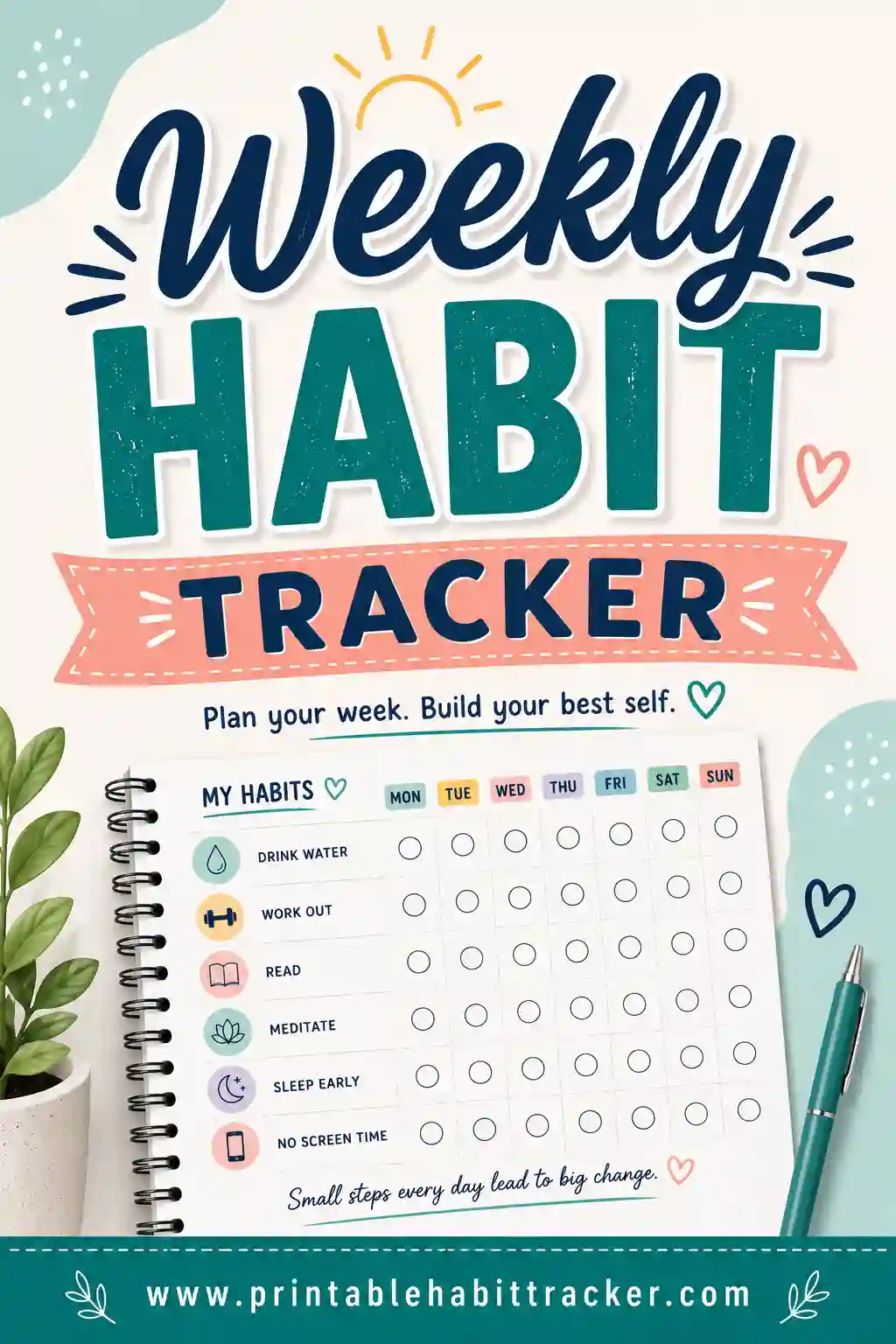
| Weekly checklist | A simple list per day | A clean, low-effort weekly view |
You don't have to pick just one. Many people run a colorful monthly grid for their main habits and a quick weekly checklist for the smaller stuff. Mix and match until it feels right.
Keep your habit list short and concrete
However you draw it, the habits themselves should be small and clear. "Drink water," "read," and "walk" are easy to check. "Be healthier" isn't. A handful of concrete habits beats a long list of vague intentions every time.
How to Set Up a Bullet Journal Habit Tracker
Whether you draw it or print it, the steps are the same.
- List your habits. Pick five to ten you want to track this month. Keep them small enough to do on a busy day.
- Choose a layout. A grid, a wheel, a garden, whatever you'll enjoy. Match the style to your mood.
- Mark the days. Days down the side or across the top, depending on your layout.
- Fill it in daily. Color, check, or doodle a box each time you do a habit. Make it a tiny daily ritual.
If you'd rather not draw the grid, make one in the free tool, print it small, and glue it onto your page. You get the clean lines, then add your own color and flair on top.
Print-and-Paste: The Easy Way to a Perfect Grid
Hand-drawing has charm, but it isn't for everyone. If you've ever messed up a grid on line 28 and had to start over, the print-and-paste method is for you.
- It's fast. A clean tracker in seconds beats 20 minutes with a ruler.
- It's consistent. Every month's grid looks crisp, no wobbly lines.
- It still feels like yours. Print in black and white, then add your own color, headers, and doodles.
- It fixes mistakes. Mess one up? Print another. No torn pages.
Here's the simple workflow:
- Build your tracker in the free tool with your habits and chosen layout.
- Scale it to fit your journal page when you print (most printers let you shrink to 50–70%).
- Cut it out along the edges with scissors or a paper trimmer.
- Glue it in with a glue stick or washi tape, then decorate around it.
You get the best of both worlds: a tidy grid and your personal touch.
Decorating Your Tracker Without Wasting Time
The fun of a bujo tracker is making it pretty, but it's easy to spend more time decorating than doing your habits. A few quick ideas keep it lovely without eating your evening.
- Pick a two-color theme per month. It looks cohesive and saves you from decision fatigue.
- Use washi tape for borders. Instant style with zero drawing skill.
- Color-code your habits. One color per habit makes the page readable and pretty at once.
- Add a tiny header doodle. One small drawing at the top is plenty. You don't need to fill every margin.
- Save the elaborate spreads for when you have time. A plain, neat tracker you finish beats a fancy one you abandon halfway.
Don't let "perfect" stop you
The biggest bujo trap is feeling your tracker has to look like the gorgeous ones online. It doesn't. A simple, slightly messy tracker that you actually use is worth a hundred picture-perfect ones you're too intimidated to start. Done beats pretty.
Picking the Right Time Span for Your Spread
Bullet journals shine because you can run any time span you like on any page. Here's how to choose.
| If you want to... | Use this view | Why |
|---|---|---|
| Plan your day in detail | A daily checklist | Focused, fresh each morning |
| Build momentum and review | A weekly spread | Short, winnable, easy to reset |
| Chase a streak | A monthly grid | Long rows of color are motivating |
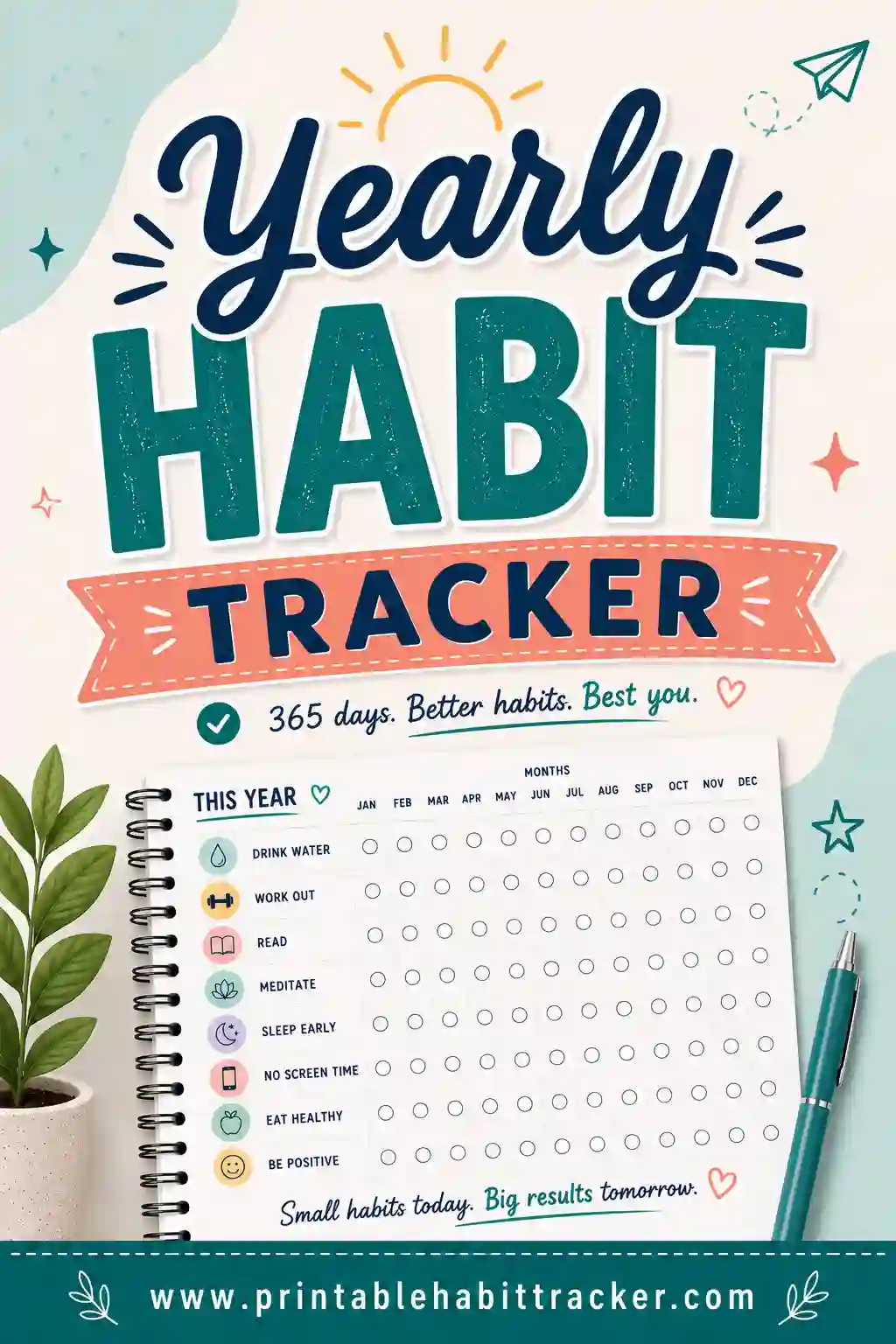
| Track one big goal all year | A yearly page | The full picture on one spread |
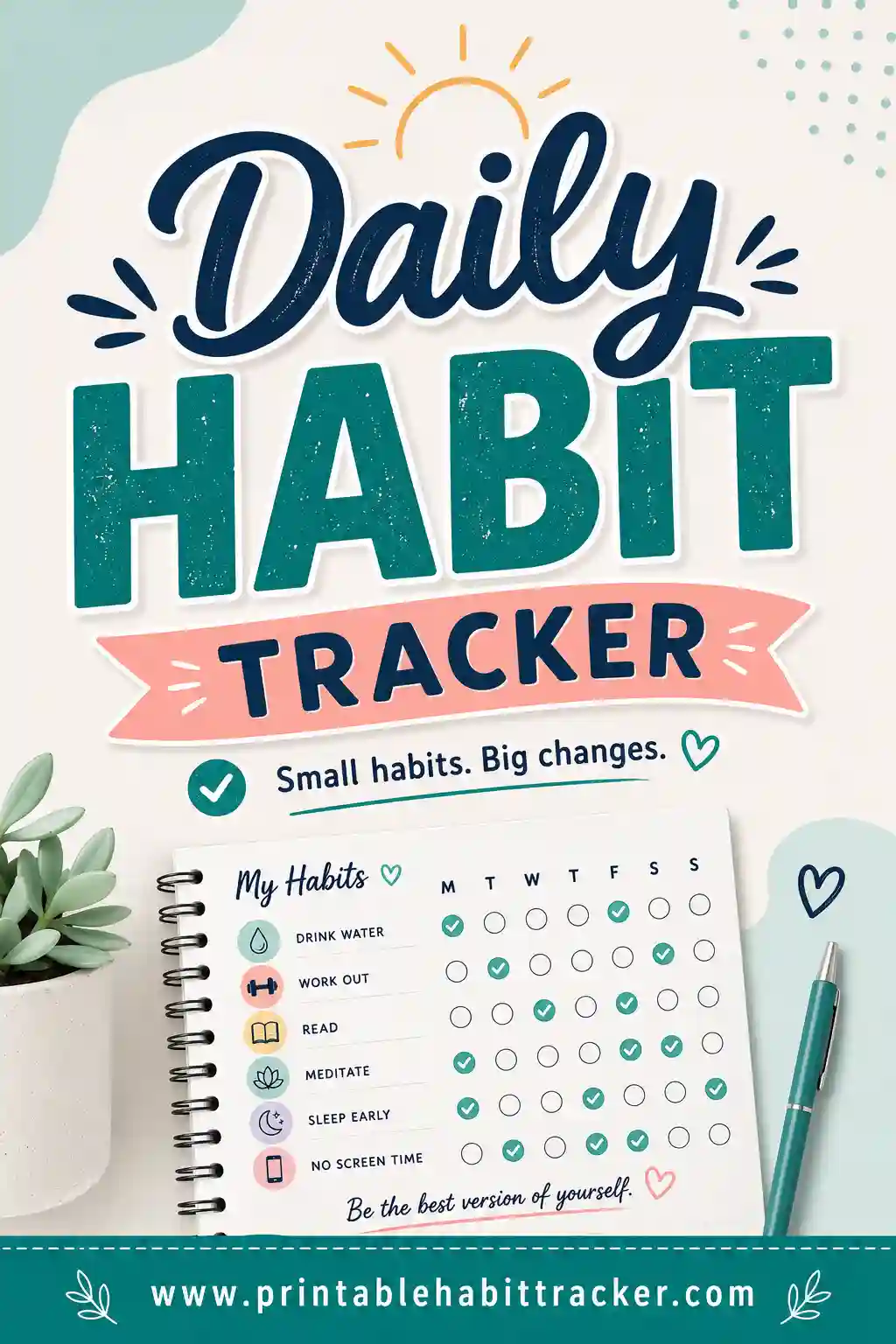
Most bujo users keep a monthly habit grid as their main spread and add a weekly habit tracker page for finer planning. If you want the deeper background on each, see the daily habit tracker and monthly habit tracker guides.
Common Bullet Journal Tracker Mistakes
Even seasoned journalers hit these snags. A little awareness saves you the frustration.
- Over-decorating. A beautiful spread you spend an hour on can become a chore. Keep it simple enough to maintain.
- Too many habits. Five to ten is plenty. A cramped grid is hard to read and easy to abandon.
- Vague habits. "Self-care" can't be checked. "Read 10 minutes" can.
- Perfectionism. A wobbly line or a missed day isn't a reason to start a new page. Keep going.
- No daily ritual. Decide when you'll fill it in, like with your morning coffee, so it actually happens.
- Starting a brand-new spread every time you slip. A fresh page won't fix the habit. Just keep filling in the one you have.
A quick setup that takes five minutes
If a full creative spread feels like too much, here's a bare-bones version you can finish over one cup of coffee. Draw a simple grid: habits down the left, days across the top. Add a one-line header with the month. Pick a single pen color. Done. You can always decorate later, or not at all. The tracking works exactly the same whether the page is plain or gorgeous, so never let a lack of time or art skill stop you from starting.
Frequently Asked Questions
Do I have to draw my bullet journal habit tracker by hand?
Not at all. Hand-drawing is popular, but you can make a clean tracker in the free tool, print it small, and glue it into your journal. You get a tidy grid in seconds and can still add your own color and doodles on top.
How many habits should I track in my bujo?
Five to ten is a comfortable range. Lean toward small, concrete habits you can do on any day. A short, readable tracker you fill in beats a crowded one you avoid.
What's the most popular bullet journal tracker layout?
The classic grid, with habits down the side and days across the top, is the most common because it shows several habits and your streaks at a glance. Circle trackers and color-in charts are popular for a single habit and a prettier look.
Is the printable habit tracker free to use?
Yes. You make and print it yourself at no cost with the free tool. There's no sign-up and no watermark, so print as many sheets as you like and paste a fresh one in each month.
How do I keep my tracker from becoming a chore to decorate?
Keep it simple. Pick a two-color theme, use washi tape instead of drawing borders, and skip the elaborate spreads on busy weeks. A plain tracker you actually use is far better than a fancy one you abandon.
Ready to Build Your Bullet Journal Habit Tracker?
Pick a few habits, open the free printable habit tracker, and make a clean grid you can print, cut out, and paste right into your journal. It's free, there's no sign-up, and once it's in your bujo you can color it, doodle on it, and make it completely your own. Set it up today and let your journal do the tracking for you.