Weekly Habit Tracker: Free Printable & Customizable
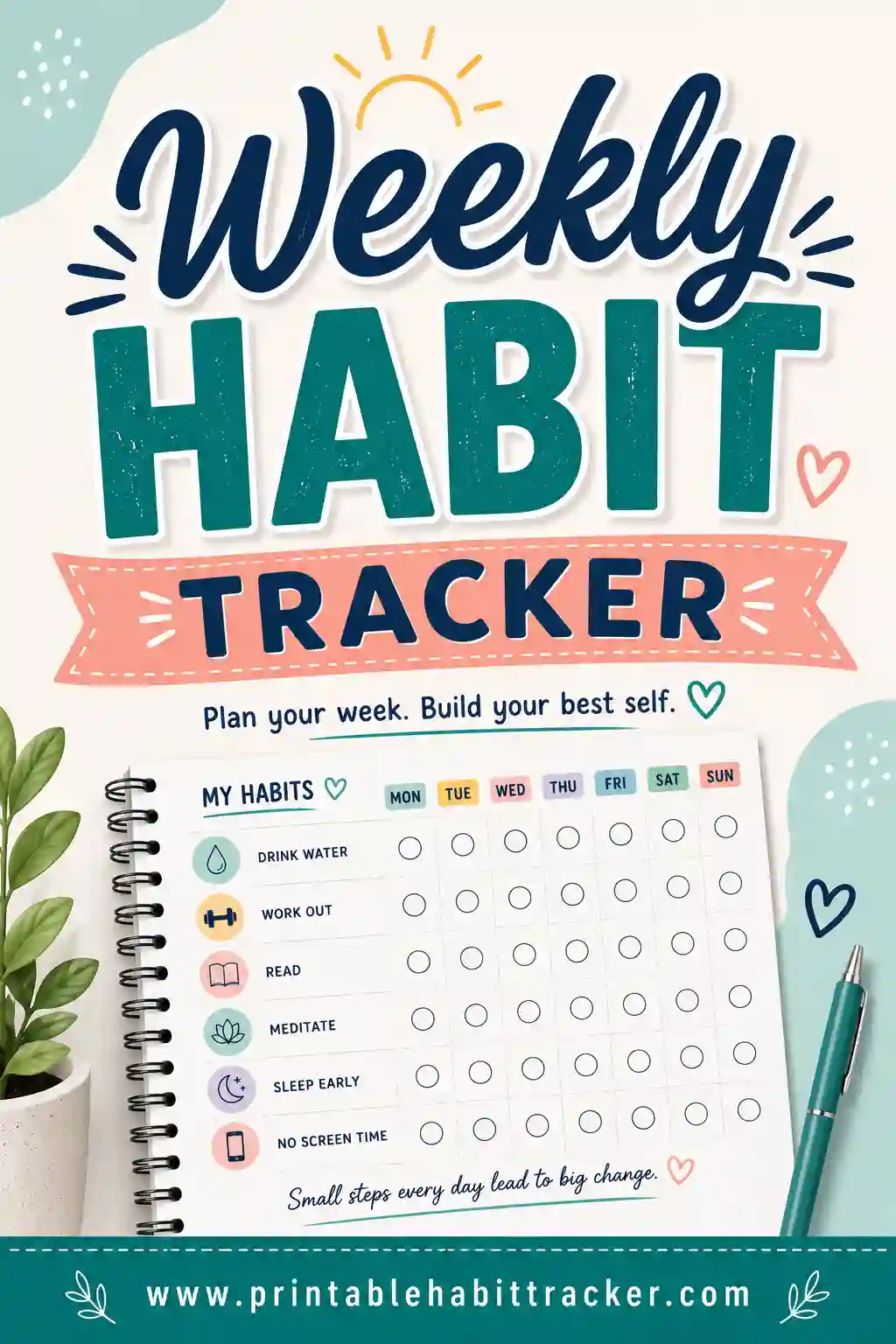
A weekly habit tracker is a grid that shows your habits down the side and the seven days of the week across the top, so you can tick off each habit, each day, and see your whole week at a glance. It's the sweet spot between a single-day checklist and a sprawling monthly chart. The quickest way to get one is to use a free printable habit tracker that turns your habit list into a clean seven-day sheet you can print at home.
Just want to make one now? Open the free tool, type in your habits, choose the weekly layout, and print as many copies as you need. No sign-up, no fee, nothing to install.
What Is a Weekly Habit Tracker?
Think of a small spreadsheet for your habits. Down the left side you list what you want to do, like exercise, read, and drink water. Across the top you've got Monday through Sunday. Where a habit meets a day, there's a box. You check it when you do the thing.
By Sunday night, you've got a snapshot of your whole week. A row that's all filled in feels great. A row with a few gaps tells you exactly where to focus next week. That feedback loop is the magic of the weekly view.
It's popular for a reason: it's long enough to show momentum but short enough to feel doable. A whole month can feel daunting. A week feels like something you can actually win.
Why the Weekly View Hits the Sweet Spot
Daily checklists are great for the day in front of you, and monthly charts are great for the big picture. The weekly tracker sits in the middle and borrows the best of both.
- You see patterns fast. Skip your walk every Wednesday? A week grid makes that obvious by the second week.
- It's a short, winnable goal. Aiming for seven days feels reachable. That keeps you motivated.
- It plans and tracks at once. Glance at the empty boxes in the morning to see what's left to do today.
- It's easy to reset. A fresh sheet every Monday gives you a clean slate, no guilt carried over.
If you've ever quit a habit because a long tracker felt like a marathon, the weekly view is your friend. Each week is its own small finish line.
Habits That Fit a Weekly Tracker
The weekly view shines for habits you want most days but not necessarily all seven. Here's a starter set you can copy into the tool.
| Habit | Why it helps | How to track it weekly |
|---|---|---|
| Exercise | Health, energy, mood | Aim for 4–5 boxes, not all 7 |
| Read | Calms the mind, builds focus | One box per day you read |
| Drink water | Energy and focus | Daily box, easy win |
| Meal prep | Saves time and money | Check it on prep days only |
| Call a friend | Connection beats burnout | A box or two a week is plenty |
| Clean one area | Keeps clutter from piling up | Spread across the week |
| Budget check-in | Less money stress | Once or twice a week |
| Early bedtime | Better sleep | Check the nights you hit it |
Notice that not every habit needs all seven boxes filled. "Exercise four times this week" is a healthier target than chasing a perfect seven and feeling like a failure when life gets in the way.
Mix everyday habits with a few flexible ones
A good weekly sheet usually has a couple of daily habits (water, sleep) alongside a few that you only aim for a handful of times. That mix keeps the tracker realistic, and a realistic tracker is one you'll keep using.
How to Make a Weekly Habit Tracker in 4 Steps
No design skills needed. Here's the whole thing.
- List your habits. Pick five to eight you want to track this week. Keep them specific, like "exercise 30 minutes."
- Pick the weekly layout. Habits down the side, Monday to Sunday across the top. That's the classic seven-day grid.
- Set realistic targets. Decide how many days each habit needs. Not everything has to be daily.
- Print and post it. One sheet covers the week. Print four at a time for the whole month if you like.
The free tool lines up the grid and spacing for you, so the sheet always comes out neat.
Weekly Tracker Layouts to Try
There's more than one way to build a week. Pick the one that matches how your brain works.
Classic seven-day grid
Habits down the side, days across the top, one box per intersection. Simple, clean, and the most popular for good reason. You see the whole week in one glance.
Weekday plus weekend split
Some habits only happen on workdays (a lunchtime walk) or only on weekends (a long run). Splitting the layout makes those routines easier to plan around.
Habit tracker with a weekly goal column
Add a column on the right for your target, like "4/7." At the end of the week, you can see at a glance whether you hit it. Great for people who like a clear scorecard.
Tracker plus weekly review box
Leave a few lines at the bottom for a quick note: what went well, what to change. That tiny reflection turns a checklist into a real improvement tool.
How to Run Your Week With a Tracker
A tracker only works if you actually look at it. Here's a rhythm that keeps it front and center.
- Sunday or Monday: set it up. Fill in your habits and targets for the week ahead. Five minutes, tops.
- Each morning: glance at it. See what's left and plan your day around the gaps.
- Through the day: check boxes as you go. Don't wait until bedtime. Checking in real time feels better.
- Sunday night: review. Count your boxes, note what worked, and tweak next week's plan.
That weekly review is the part most people skip, and it's the most valuable. Five minutes of "what worked and what didn't" beats another month of guessing.
Printing Tips for a Weekly Sheet You'll Reuse
A few small choices make your tracker nicer to use.
- Print one sheet per week on plain paper. They're meant to be disposable, so keep it cheap.
- Or laminate one and reuse it. Check boxes with a dry-erase marker and wipe clean every Sunday.
- Black and white saves ink. A weekly grid reads perfectly without color.
- Test print first. Make sure the seven columns fit and nothing gets cut off at the edges.
- Pick a layout you like looking at. You're going to see this thing every day. A clean, pleasant design helps.
Keep it somewhere you can't miss
The fridge, your desk, a planner page, or the bathroom mirror. Pair checking your tracker with something you already do daily, like your morning coffee, and it becomes automatic.
Daily vs. Weekly vs. Monthly: Which to Use
People often ask which tracker is best. The honest answer is that they're built for different jobs. Here's a quick comparison.
| Tracker | Best for | Time span | Vibe |
|---|---|---|---|
| Daily | Today's to-dos, fresh start each day | 1 day | Focused and immediate |
| Weekly | Building momentum, spotting patterns | 7 days | Balanced and winnable |
| Monthly | Long streaks, the big picture | 30+ days | Motivating but demanding |
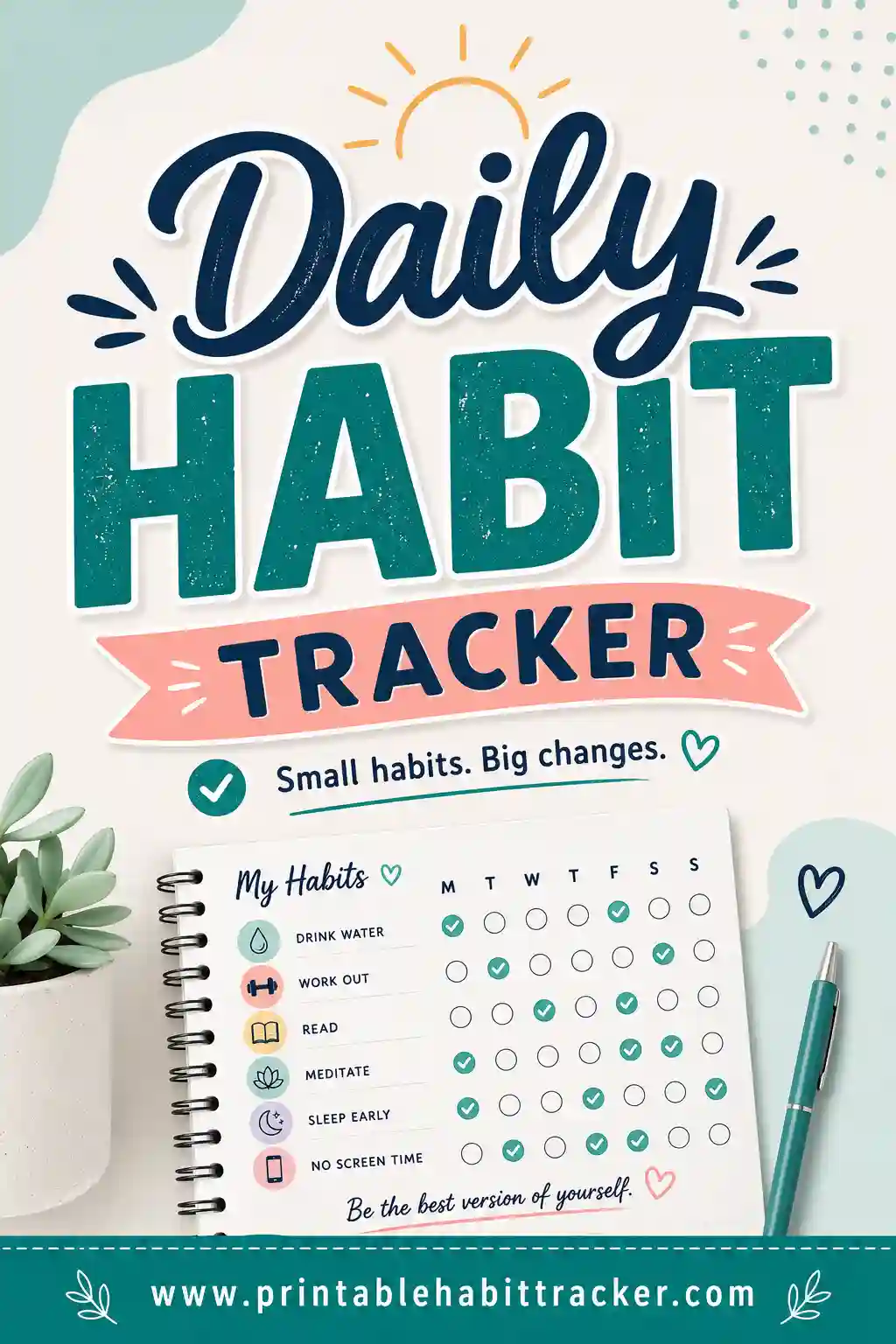
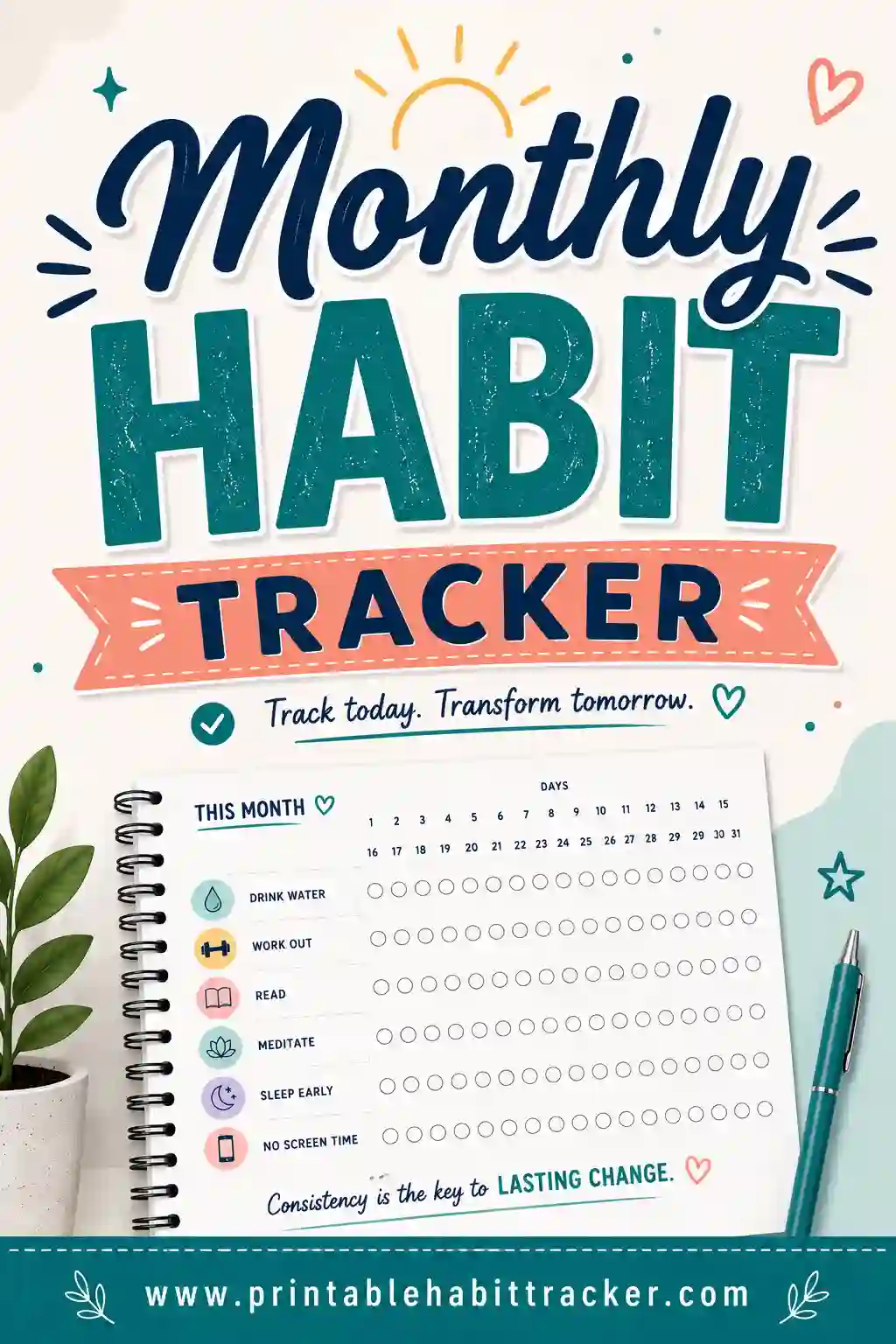
Many people use two together: a daily habit tracker for the moment-to-moment, plus a weekly grid to plan and review. If you want the long view, a monthly habit tracker shows streaks that stretch across the whole month.
Common Mistakes to Avoid
The weekly tracker is forgiving, but a few traps still catch people.
- Demanding seven out of seven on everything. Set honest targets. Four good workouts beat zero from burnout.
- Skipping the review. The Sunday check-in is where you actually learn. Don't skip it.
- Too many habits. Five to eight is plenty. A crowded sheet gets ignored.
- Vague habits. "Be productive" can't be checked. "Write 30 minutes" can.
- Quitting after one rough week. Some weeks are messy. Start fresh on Monday and keep going.
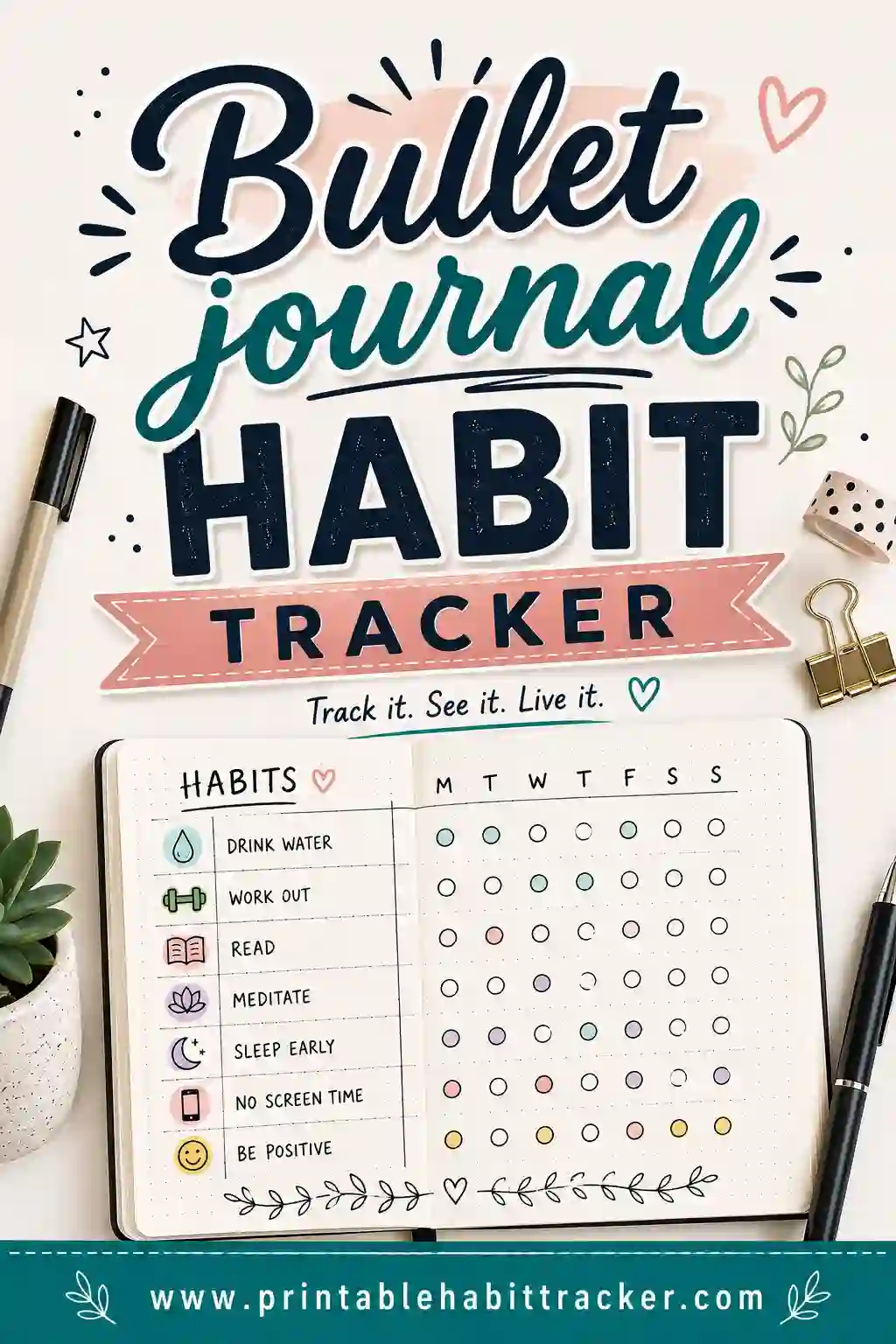
If you like drawing your own grids and adding a personal touch, a bullet journal habit tracker gives you full creative control over the same idea.
A Sample Week With a Tracker
To show how it comes together, here's what a realistic week might look like for someone tracking five habits. Notice the targets aren't all seven out of seven, and that's the point.
| Habit | Mon | Tue | Wed | Thu | Fri | Sat | Sun | Target |
|---|---|---|---|---|---|---|---|---|
| Drink water | ✓ | ✓ | ✓ | ✓ | ✓ | ✓ | ✓ | 7/7 |
| Exercise | ✓ | ☐ | ✓ | ☐ | ✓ | ✓ | ☐ | 4/7 |
| Read | ✓ | ✓ | ☐ | ✓ | ✓ | ☐ | ✓ | 5/7 |
| Early bedtime | ☐ | ✓ | ✓ | ✓ | ☐ | ☐ | ✓ | 4/7 |
| Call a friend | ☐ | ☐ | ✓ | ☐ | ☐ | ✓ | ☐ | 2/7 |
This week is a win, even though almost no row is full. Water hit its daily target, exercise cleared four sessions, and the social habit got its two calls. That's exactly how a healthy weekly tracker should look: most boxes filled, honest targets met, no guilt over the empty ones.
Frequently Asked Questions
How many habits should a weekly tracker have?
Five to eight is the sweet spot. That's enough to make a real difference without crowding the page. Mix a couple of daily habits with a few you only aim for a handful of times each week.
Do I need to do every habit all seven days?
No. Set a realistic target for each one, like "exercise four times" or "call a friend twice." Trying to fill every box every day is a fast way to burn out. Aim for most days, not perfect days.
Is a weekly habit tracker free to print?
Yes. You make and print it yourself at no cost using the free tool. There's no sign-up and no watermark, so print a new sheet each Monday or a full month's worth at once.
When should I set up my weekly tracker?
Sunday evening or Monday morning works best. Spend five minutes listing your habits and targets for the week ahead, then check boxes as you go and review on Sunday night.
Can I reuse the same weekly sheet?
Yes. Print on cardstock and laminate it (or use a clear sleeve), then mark boxes with a dry-erase marker. Wipe it clean each Sunday and it's ready for a fresh week.
Ready to Build Your Weekly Habit Tracker?
Pick a few habits from the list above, open the free printable habit tracker, and you'll have a clean seven-day sheet ready to print in minutes. It's free, there's no sign-up, and you can shape it around exactly the habits you want to build. Print it, post it where you'll see it, and make this the week your habits finally stick.