Monthly Habit Tracker: Free Printable & Customizable
A monthly habit tracker is a grid that lays out all the days of the month so you can mark off each habit, day by day, and watch a streak build across the whole month. It's the layout people reach for when they want to see the big picture and build long, satisfying chains of checked boxes. The fastest way to get one is to use a free printable habit tracker that turns your habit list into a clean 30-day sheet you can print at home.
Just want to make one? Open the free tool, type in your habits, choose the monthly layout, and print it. No sign-up, no fee, nothing to install.
What Is a Monthly Habit Tracker?
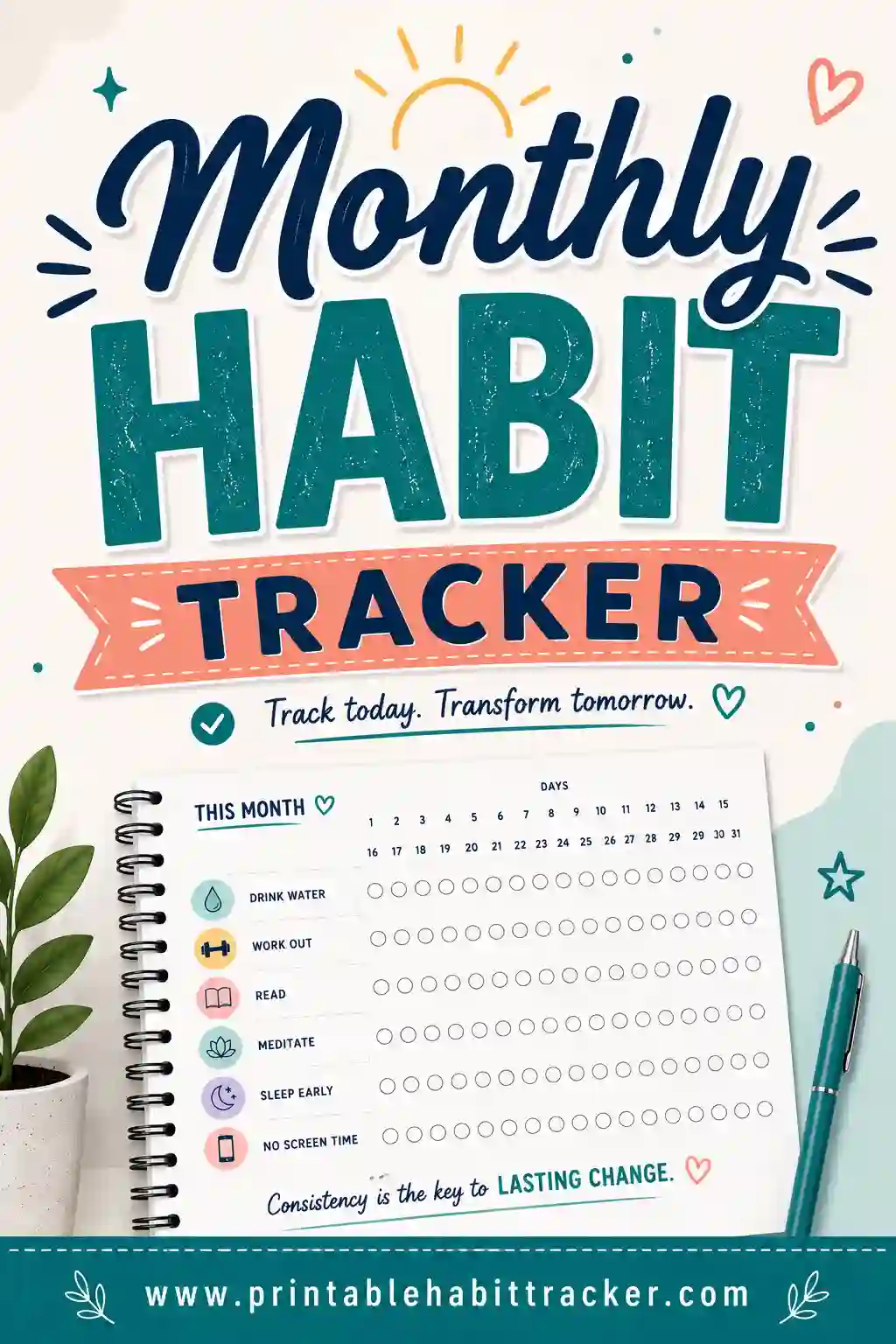
Imagine a calendar grid built just for your habits. Down one side you list what you want to do. Across the top run the days of the month, 1 through 30 or 31. Each box is one habit on one day. You fill it in when you follow through.
By the end of the month, you've got a wall of boxes that tells a story. Long unbroken rows show habits that have stuck. Patchy rows show where you struggled. That overview is something a daily or weekly sheet just can't give you.
The monthly view is built for one thing above all: streaks. When you can see twenty days in a row of filled boxes, you really don't want to break the chain. That visible momentum is the strongest motivator a tracker offers.
Why People Love the Monthly View
A month is long enough to form a habit and short enough to feel like a clear chapter. That's why so many people swear by the monthly tracker.
- Streaks become visible. A long line of checked boxes is genuinely motivating. You protect it.
- One sheet covers everything. No reprinting every week. Set it up once and you're done for the month.
- The big picture is clear. You can see which habits are thriving and which need a rethink.
- It marks time nicely. A fresh sheet on the first of the month feels like a clean start, every month.
There's a famous productivity idea behind this, often called "don't break the chain." You mark an X for every day you do the habit, and the growing chain itself becomes the reward. A monthly tracker is that idea on paper.
Habits That Shine on a Monthly Tracker
The monthly view works best for habits you want to do most or all days, because that's where streaks really show. Here's a starter list to copy into the tool.
| Habit | Why it helps | How to track it monthly |
|---|---|---|
| Meditate | Calms the mind, lowers stress | One box per day, even 2 minutes |
| Drink water | Energy and focus | Daily box, easy streak builder |
| Exercise | Health and mood | Aim for 20+ boxes in the month |
| Read | Builds focus and knowledge | One box for any reading |
| Write or journal | Clears the head | A single line counts |
| Take vitamins | Easy to forget | Tie it to breakfast |
| No sugar after dinner | Better sleep | Check the nights you hold the line |
| Stretch | Eases stiffness | Any stretch earns a box |
Daily habits make the most satisfying monthly streaks, so lean toward things you can do every day. Save the once-a-week stuff for a weekly view, where it fits more naturally.
Pick habits you can keep all month
A monthly tracker rewards consistency, so it's worth choosing habits small enough to do even on busy days. "Read one page" survives a hectic month. "Read for an hour" doesn't. Keep the bar low and the streak long.
How to Make a Monthly Habit Tracker in 4 Steps
No design skills required. Here's the full process.
- List your habits. Pick five to ten you want to track all month. Keep them concrete and doable on any day.
- Choose the monthly layout. Habits down the side, days 1 to 31 across the top. That's the classic grid.
- Mark the month and year. So you can file old sheets and look back later.
- Print and post it. One sheet covers the whole month. Stick it where you'll see it every day.
The free tool builds the grid with the right number of days, so you never end up with a lopsided sheet.
Monthly Tracker Layouts to Try
There's more than one way to fill a month. Pick the style that fits how you think.
Classic grid (habits x days)
Habits down the side, days across the top, one box each. It's the most common for a reason: you see everything at once and streaks pop right out.
Calendar-style tracker
Lay the month out like a wall calendar, with one habit per page or color. Nice if you're a visual person who likes the familiar calendar shape.
Habit plus monthly goal
Add a target column, like "Exercise: 20 days." At month's end you can see whether you hit it. Good for people who like a clear scorecard.
Color-in streak tracker
Instead of check marks, color each box. A full row becomes a satisfying bar of color, and the visual pull of completing it is surprisingly strong.
How to Use a Monthly Tracker Without Burning Out
A full month is a long haul, so the goal is to stay consistent, not perfect. Here's how to keep it sustainable.
- Set it up on the first. List your habits and any monthly targets. It takes five minutes.
- Check in daily. A quick glance each morning and a check-off as you go keeps the chain alive.
- Aim for most days, not all. A 25-out-of-30 month is a huge win. Don't let one missed day wreck your momentum.
- Review at month's end. Count your boxes, note what worked, and decide what to keep for next month.
The "never miss twice" rule is your safety net. Missing one day is a slip. Missing two in a row is the start of quitting. So if you miss, just make sure you're back the very next day.
Printing Tips for a Month-Long Sheet
A monthly tracker lives on your wall for weeks, so it's worth printing it well.
- Use cardstock for durability. It survives a month of daily handling without getting ratty.
- Or laminate and reuse it. Mark boxes with a dry-erase marker and wipe clean for the next month.
- Black and white saves ink. A monthly grid reads fine without color, and you can color boxes by hand.
- Test print first. With 30-plus columns, check that nothing gets squeezed off the edge.
- Bigger boxes if the grid feels cramped. Fewer habits per page leaves more room to mark each day cleanly.
Put it where you'll see it daily
The fridge, a wall by your desk, or the inside of a closet door you open every morning. A monthly tracker only works if it's in your line of sight. Hide it and the streak dies.
Daily, Weekly, Monthly, Yearly: How They Compare
Each time span suits a different goal. Here's a quick guide so you can pick the right one.
| Tracker | Best for | Span | Strength |
|---|---|---|---|
| Daily | Today's focus | 1 day | Immediate and simple |
| Weekly | Momentum and review | 7 days | Balanced and winnable |
| Monthly | Streaks and patterns | 30+ days | Strong motivation |
| Yearly | Long-term consistency | 365 days | The big picture |
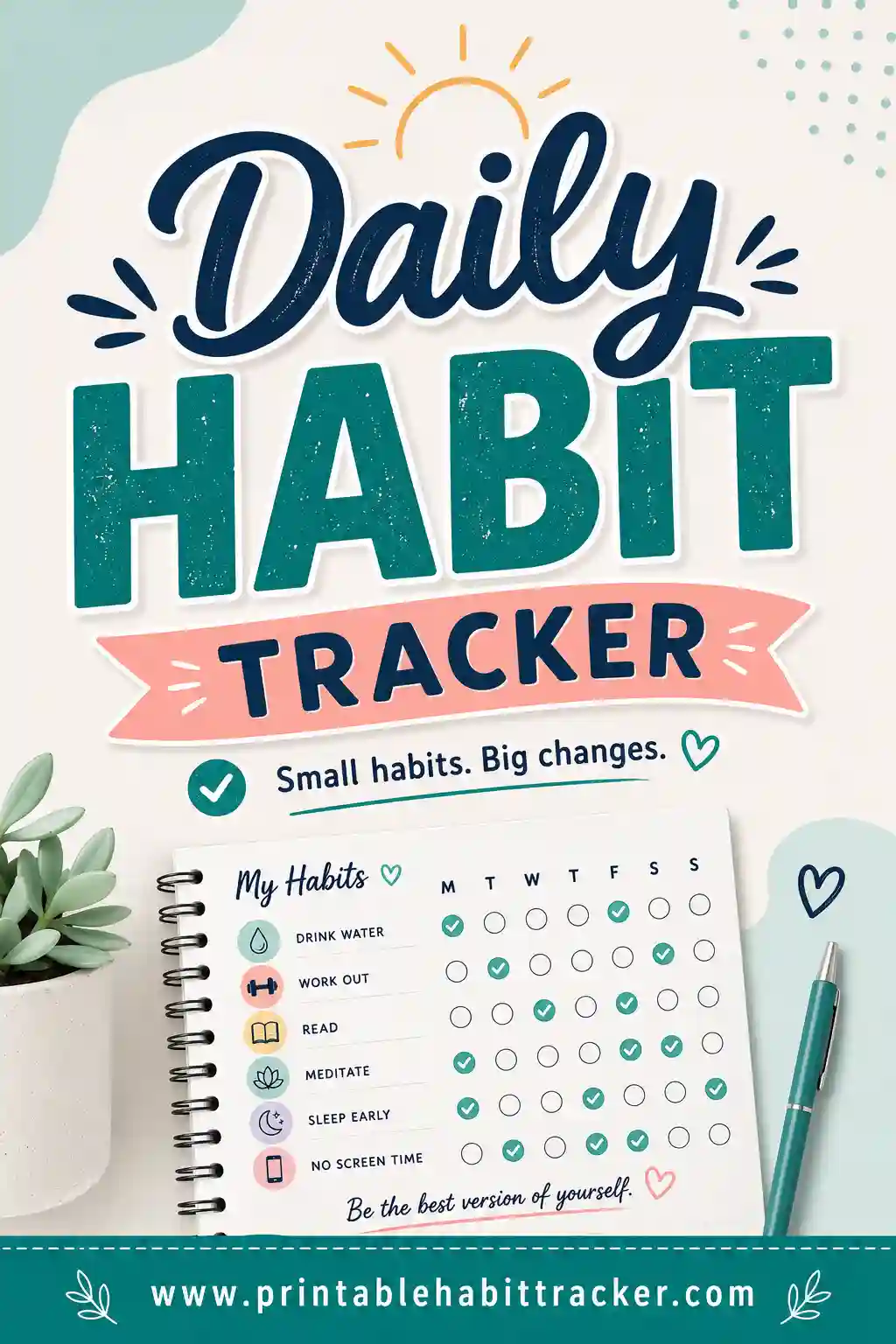
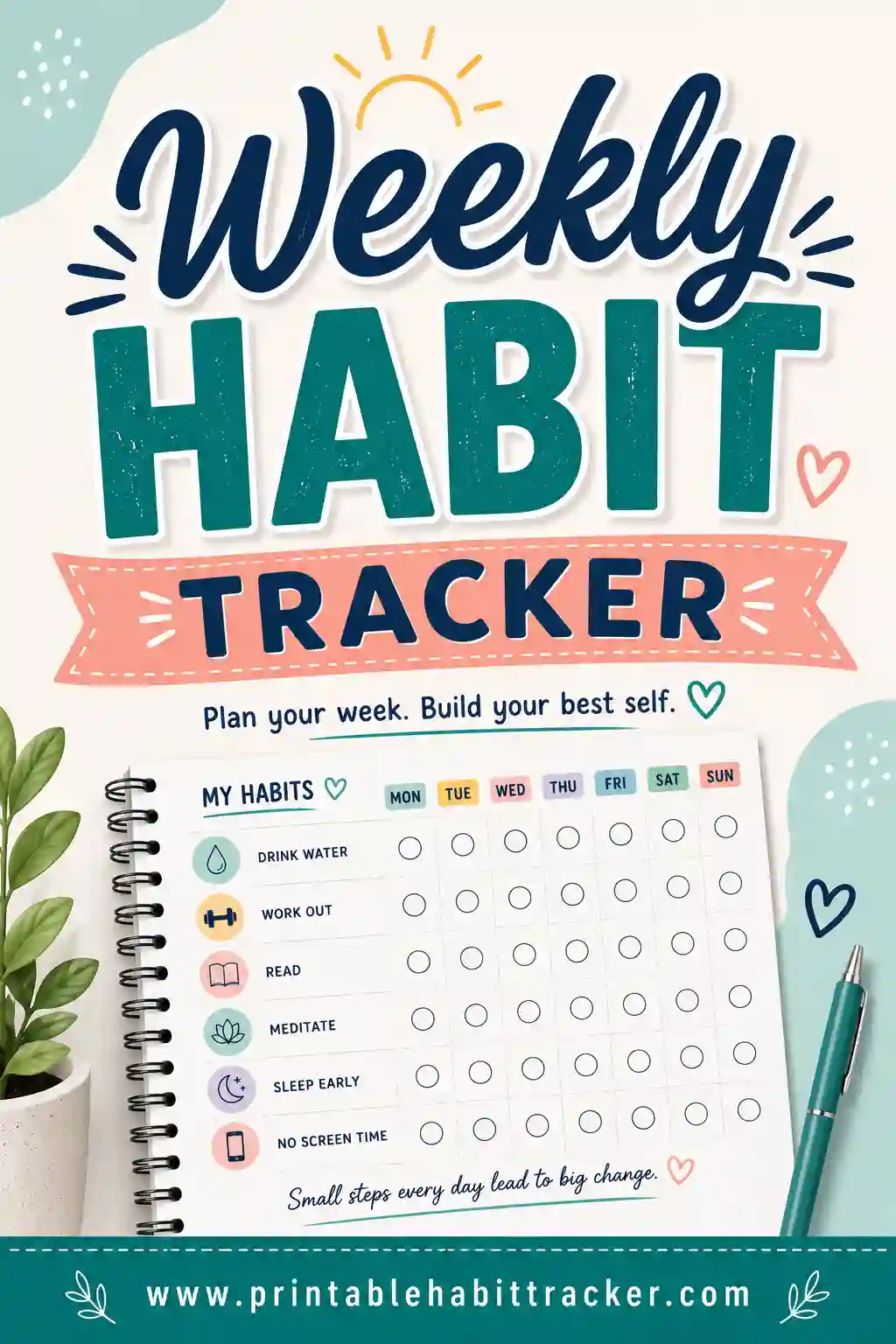
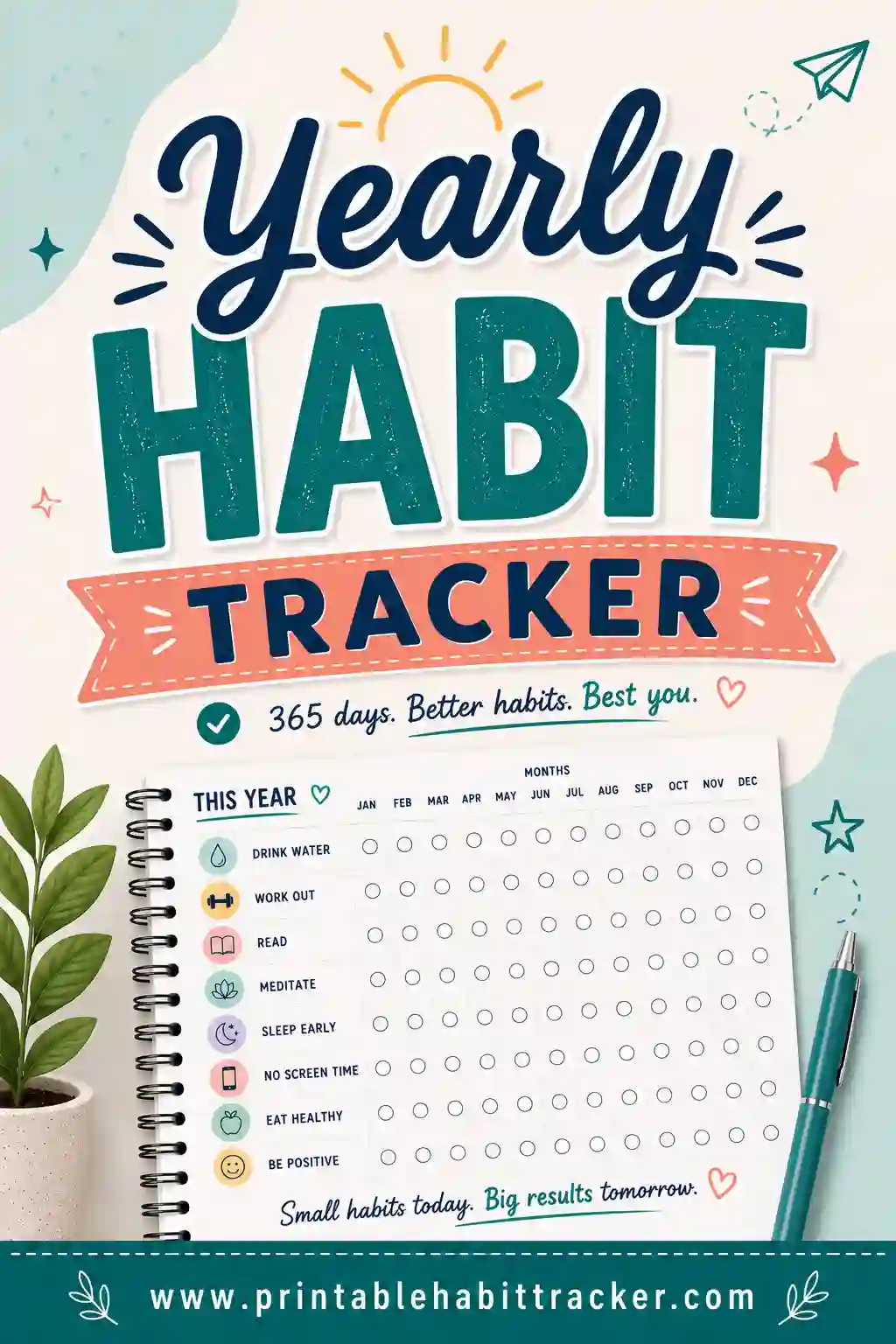
Plenty of people stack them: a daily habit tracker for the moment, a weekly habit tracker for planning, and a monthly grid for the streak. If you want to track a habit across a whole year, a yearly habit tracker gives you the widest lens of all.
A Realistic Month, Week by Week
To set fair expectations, here's how a strong month often unfolds for a single habit. Almost nobody starts perfect and stays perfect, and that's completely fine.
| Week | What usually happens | What to do |
|---|---|---|
| Week 1 | High motivation, lots of boxes filled | Enjoy it, but don't over-promise |
| Week 2 | The novelty fades, a day or two slips | Lean on "never miss twice" |
| Week 3 | A busy stretch tests your streak | Shrink the habit, don't drop it |
| Week 4 | You find your rhythm and finish strong | Review and decide what to keep |
A month like this might end at 24 or 25 boxes out of 30, with a couple of small gaps. That's a real success, not a failure. The dip in week two and the pressure in week three are normal, and getting through them is exactly how a habit becomes permanent.
Common Mistakes to Avoid
The monthly tracker is powerful, but a few traps catch people.
- Chasing a perfect month. Aiming for 30 out of 30 sets you up to quit after one slip. Aim for most days.
- Too many habits. Five to ten is plenty. A crammed sheet gets ignored.
- Hard-to-do habits. Keep them small enough to manage even on chaotic days.
- Skipping the month-end review. That's where you learn what to keep and what to drop.
- Hiding the tracker. Out of sight, out of mind. Keep it where you can't miss it.
Frequently Asked Questions
How many habits should go on a monthly tracker?
Five to ten works well. Lean toward habits you can do every day, since daily habits make the most satisfying monthly streaks. A focused sheet you actually fill in beats a crowded one you avoid.
Is a monthly habit tracker free to print?
Yes. You make and print it yourself at no cost with the free tool. There's no sign-up and no watermark, so you can print a fresh sheet on the first of every month.
What if I break my streak halfway through the month?
Just start the next box the very next day. One missed day is a slip, not a failure. The goal is most days over the whole month, not a flawless chain. Never miss twice in a row and you'll stay on track.
How is a monthly tracker different from a weekly one?
A monthly tracker shows all 30-plus days at once, so it's built for long streaks and spotting patterns. A weekly habit tracker covers just seven days and resets often, which feels more winnable. Many people use both.
Can I reuse a monthly tracker?
Yes. Print it on cardstock and laminate it (or use a clear sleeve), then mark boxes with a dry-erase marker. Wipe it clean at the end of the month and it's ready for the next one.
Ready to Build Your Monthly Habit Tracker?
Choose a few habits from the list above, open the free printable habit tracker, and you'll have a clean 30-day sheet ready to print in minutes. It's free, there's no sign-up, and you can build it around exactly the habits you want to grow. Print it, hang it where you'll see it, and start your streak this month.