Habit Tracker for Better Sleep: Free Printable Template
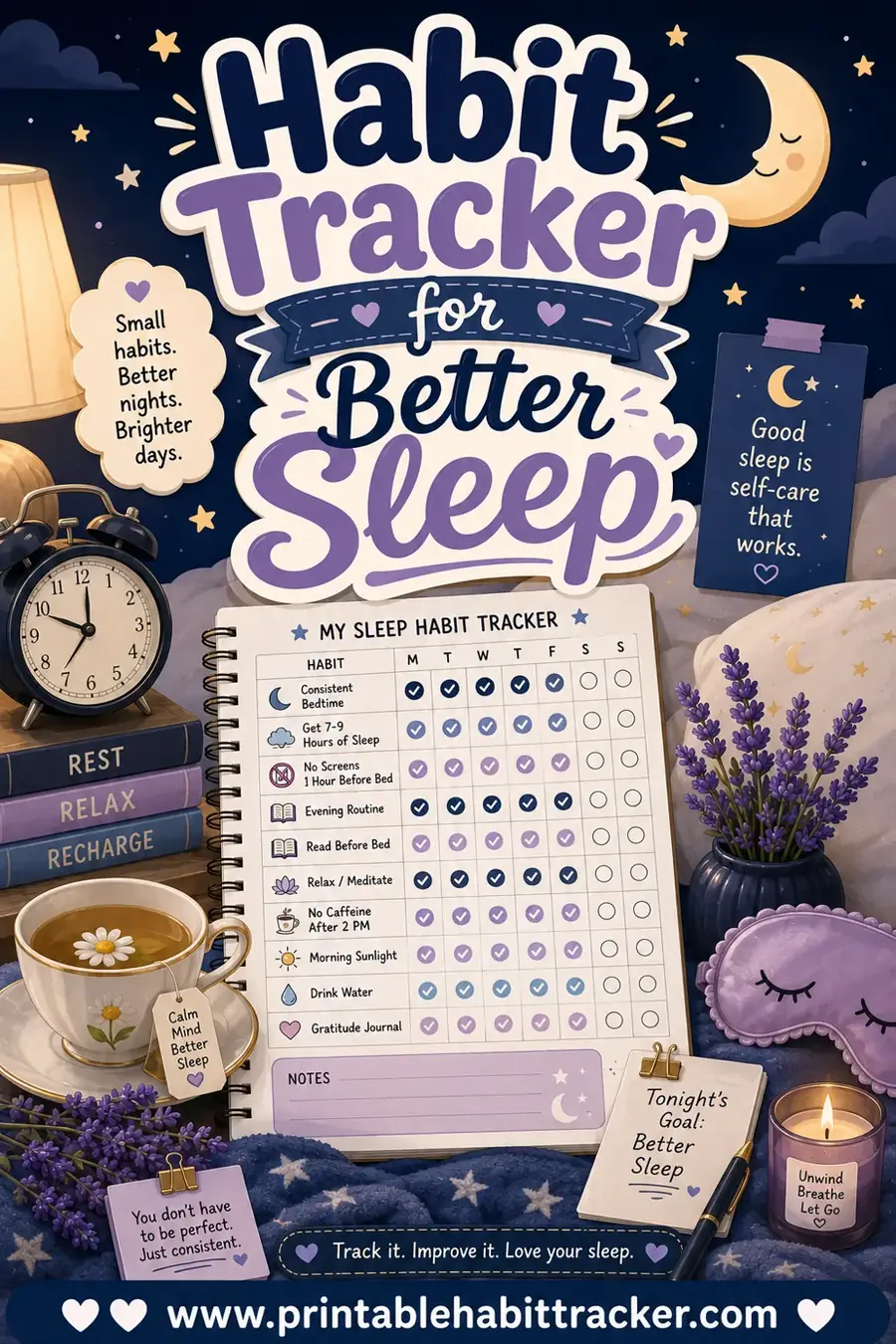
A habit tracker for better sleep is a simple grid where you check off the small bedtime habits that lead to good rest, like a fixed wake-up time, no screens before bed, and lights out by a set hour. Filling in the boxes each night turns those habits into a streak, makes patterns obvious, and helps you fall asleep faster without an app or a pricey sleep gadget. The quickest way to start is to use a free printable habit tracker, pick your sleep habits, and print a clean sheet for your nightstand.
Ready to sleep better? Open the free tracker, add a few sleep habits (there's a ready-made list below), choose daily, and print. No sign-up, no app, no fee.
Why Track Sleep Habits Instead of Just Sleep
Most sleep apps track the result: how long you slept, how restless you were. That's useful, but it doesn't tell you what to do differently. A habit tracker flips it around. Instead of grading last night, it nudges the choices that actually make tonight better.
Good sleep isn't luck. It's built from a handful of repeatable habits: a steady schedule, a wind-down routine, and a few things you avoid before bed. When you check those off each night, you're not measuring sleep, you're building it.
There's also a quiet payoff in seeing your streak. A row of green boxes for "no screens before bed" makes you want to keep it going. That gentle pressure is often what finally breaks the late-night scrolling habit that's been wrecking your rest.
Sleep Habits Worth Tracking
You don't need to overhaul your whole life. Pick three to six habits that match what's keeping you up. Here's a starter set with why each one helps and how to track it.
| Habit | Why it helps | How to track |
|---|---|---|
| Same wake-up time | Anchors your body clock | Check when you wake within 30 min of your target |
| No screens 1 hour before bed | Cuts blue light and stimulation | Check on nights you put the phone down early |
| Lights out by a set time | Builds a consistent bedtime | Check when you're actually in bed on time |
| No caffeine after 2pm | Stops it from blocking sleep | Check on days you skip the late coffee |
| 10-minute wind-down | Signals your brain it's time | Check after reading, stretching, or breathing |
| Dark, cool room | Improves sleep quality | Check once the room is set up right |
| No big meal late | Eases nighttime digestion | Check on nights you eat dinner earlier |
| Out of bed if awake 20 min | Breaks the lying-awake cycle | Check if you got up rather than tossing |
Start with the one habit you know is your problem. For most people that's the phone. Nail that, then layer in the rest.
Pick your keystone sleep habit
One habit usually unlocks the others. For a lot of people, a fixed wake-up time is the keystone, because waking at the same hour every day naturally pulls your bedtime into line. Pick your keystone, track it hardest, and let it do the heavy lifting.
A Simple Bedtime Routine to Put on Your Tracker
A wind-down routine is the heart of good sleep. Here's a clean one you can drop straight onto a tracker as a nightly checklist.
- Dim the lights an hour before bed. Bright light tells your brain it's still daytime.
- Put screens away. Park the phone in another room or flip it face-down on the charger.
- Do one calm thing. Read a few pages, stretch, journal, or breathe slowly.
- Prep for morning so you're not lying awake remembering tomorrow's to-dos.
- Lights out at your set time. Same hour, every night, even on weekends if you can.
Make each step its own checkbox. Five small wins per night beat one vague "have a good routine" goal you can't measure.
Daily Layout vs. Weekly Review
Sleep habits are daily by nature, but a weekly view helps you spot patterns.
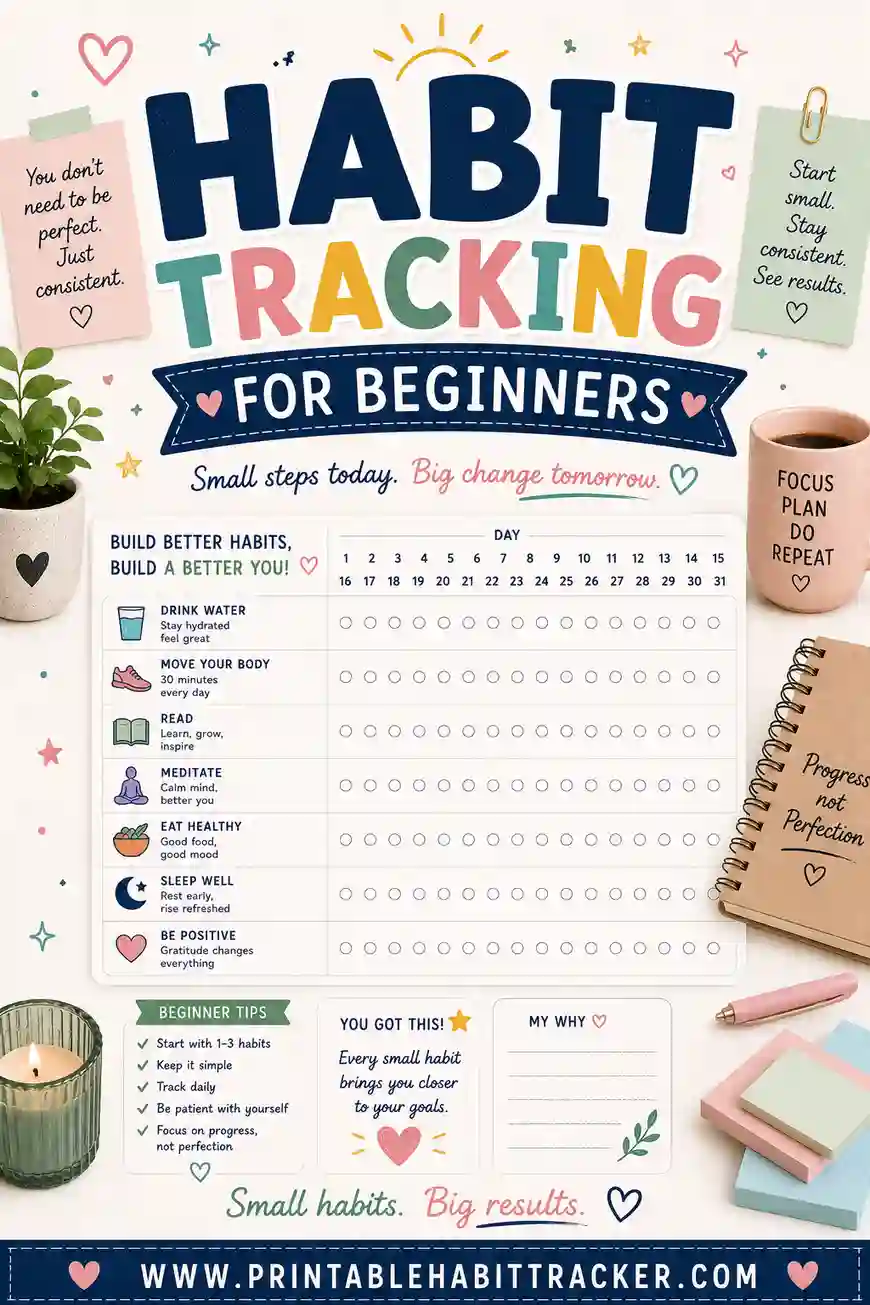
- Daily grid. This is your main sheet. A row for each habit, a box for each night. This is where the streak lives.
- Weekly review box. At the end of each week, jot one note: how rested you felt overall, on a simple 1–5 scale. Over a month you'll see which habits actually move the needle.
- Wake-time log. A small column for the time you actually woke up. Patterns jump out fast when it's all on one page.
A printable tracker holds all three on a single sheet, so you're not juggling apps at 11pm.
How to Build Your Sleep Tracker in 4 Steps
You can have this printed before tonight's bedtime. Here's the whole process.
- Pick your habits. Choose three to six from the table, or write your own. Lead with your biggest problem.
- Choose a nightly layout. A daily grid is ideal for sleep, since you're checking in every night.
- Add a rest rating. Leave a small box to score how you felt each morning, 1 to 5. This is your feedback loop.
- Print it. Lay it out with the free tracker, print, and put it on your nightstand with a pen.
Keep the pen with the tracker. Hunting for a pen at bedtime is a tiny friction that quietly kills the habit.
Common Sleep-Habit Mistakes to Avoid
A tracker helps most when you sidestep these traps.
- Tracking too many habits. Eight new sleep rules at once is overwhelming. Start with two or three and build.
- Skipping weekends. Sleeping in late on Saturday resets your body clock and undoes the week's work. Keep your wake time close, even on days off.
- Checking the box but cheating. A green box for "no screens" while you scrolled in bed fools no one but you. Be honest, that's the whole point.
- Ignoring the rest rating. The score is your data. If you sleep great on screen-free nights, that's your answer, written in your own hand.
- Quitting after one rough night. Bad nights happen. One blank box doesn't undo your streak. Start fresh tomorrow.
Give it a fair trial
New sleep habits take a couple of weeks to show results, because your body clock shifts slowly. Commit to a full 30-day sheet before you decide whether a habit is working. Quitting on day four tells you nothing.
| Time frame | What to expect |
|---|---|
| Nights 1–3 | Routine feels clunky; you're building the muscle |
| Week 1 | Habits get easier to remember |
| Week 2–3 | Falling asleep starts to feel faster |
| Week 4 | Clear patterns in your rest ratings |
Who a Sleep Tracker Helps Most
Better-sleep tracking works for almost anyone, but a few groups feel it the most.
- Chronic phone scrollers. If your worst habit is bedtime screens, a "no screens" streak is the single most powerful box you can check.
- Shift workers and night owls. A wake-time log helps you stabilize an unpredictable schedule.
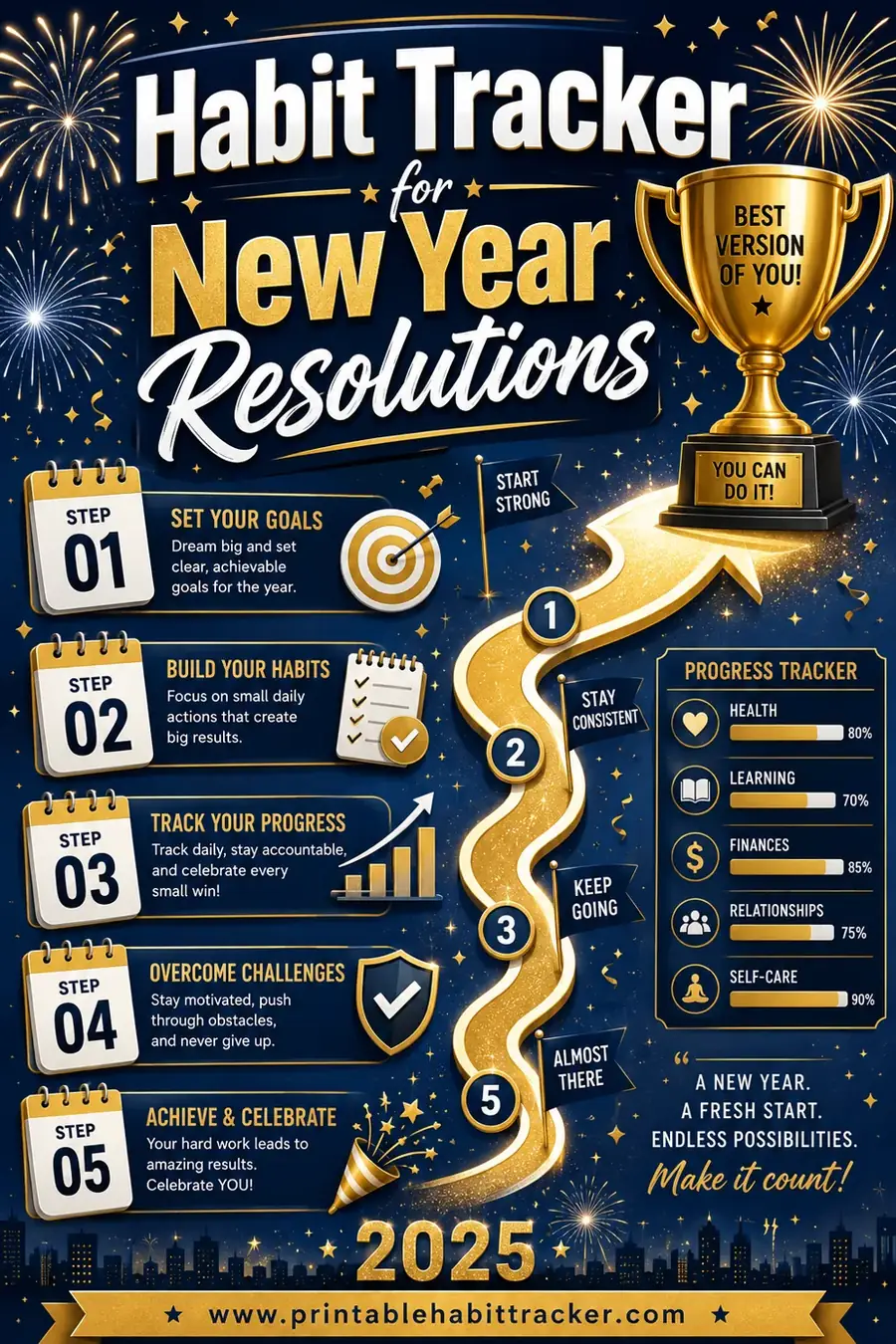
- New-year goal setters. "Sleep better" is a hugely popular resolution. A tracker is how you keep it past week two. See our habit tracker for new year resolutions.
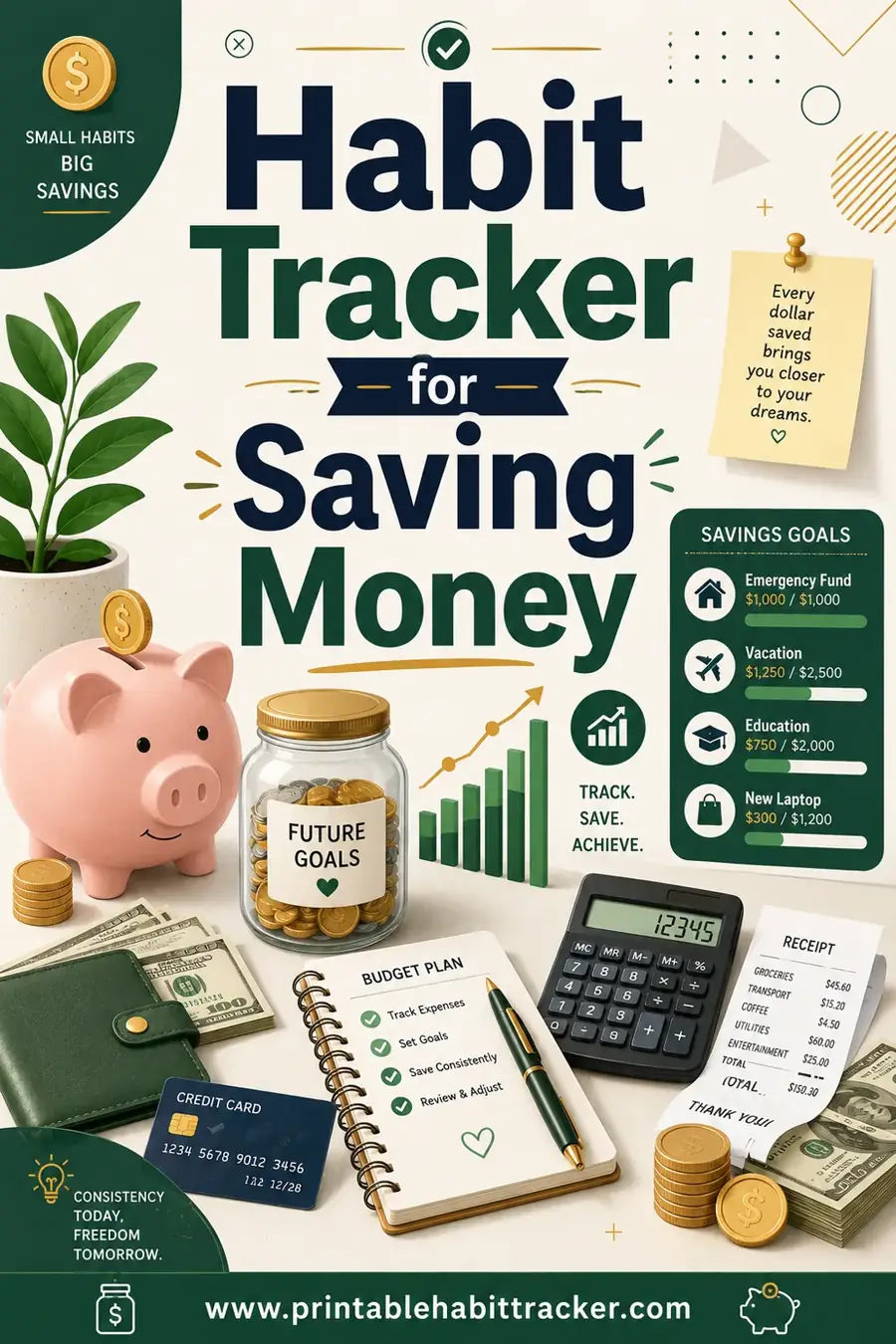
- Couples. Shared bedtime routines are easier to keep when you track them together. Our habit tracker for couples covers shared goals, and you can stack a sleep tracker right alongside a saving-money tracker if you're juggling a few goals.
Frequently Asked Questions
How do I use a habit tracker for better sleep?
Pick a few sleep habits like a fixed wake time, no screens before bed, and a wind-down routine, then print a tracker and check a box each night you do them. Add a quick morning rest rating so you can see which habits help most. Be honest, and give it a full month.
What sleep habits should I track?
Focus on the choices that affect rest most: a consistent wake-up time, no screens an hour before bed, a set bedtime, no late caffeine, and a short wind-down routine. Pick three to six. Lead with whichever bad habit you know is your real problem.
How long until better sleep habits work?
Most people notice they fall asleep faster within two to three weeks of consistent habits, since your body clock shifts gradually. Stick with a full 30-day tracker before judging results. Don't let one bad night convince you it isn't working.
Is a printable sleep tracker better than a sleep app?
They do different jobs. Apps measure how you slept; a printable tracker nudges the habits that cause good sleep. A paper sheet on your nightstand also avoids the irony of using a glowing phone to improve your sleep. Many people use a simple printable instead.
Should I track sleep habits on weekends too?
Yes, especially the wake-up time. Sleeping in on weekends shifts your body clock and makes Monday harder. Keeping your habits steady seven days a week is one of the biggest factors in better sleep, so don't leave the weekend boxes blank.
Can I add a rest rating to my tracker?
Definitely. Leave a small box each morning to score how rested you felt, 1 to 5. Over a few weeks this becomes your personal data, showing exactly which habits lead to your best nights. The free tracker makes room for it on one page.
Start Sleeping Better Tonight
Pick two or three sleep habits from the list above, open the free printable habit tracker, and print a clean sheet for your nightstand. Check a box each night, rate your rest each morning, and watch the patterns appear. It's free, there's no sign-up, and within a few weeks you'll have a routine that actually sticks, and the rest to show for it. Sweet dreams.