Habit Tracker for Breaking Bad Habits: Free Printable That Helps You Quit
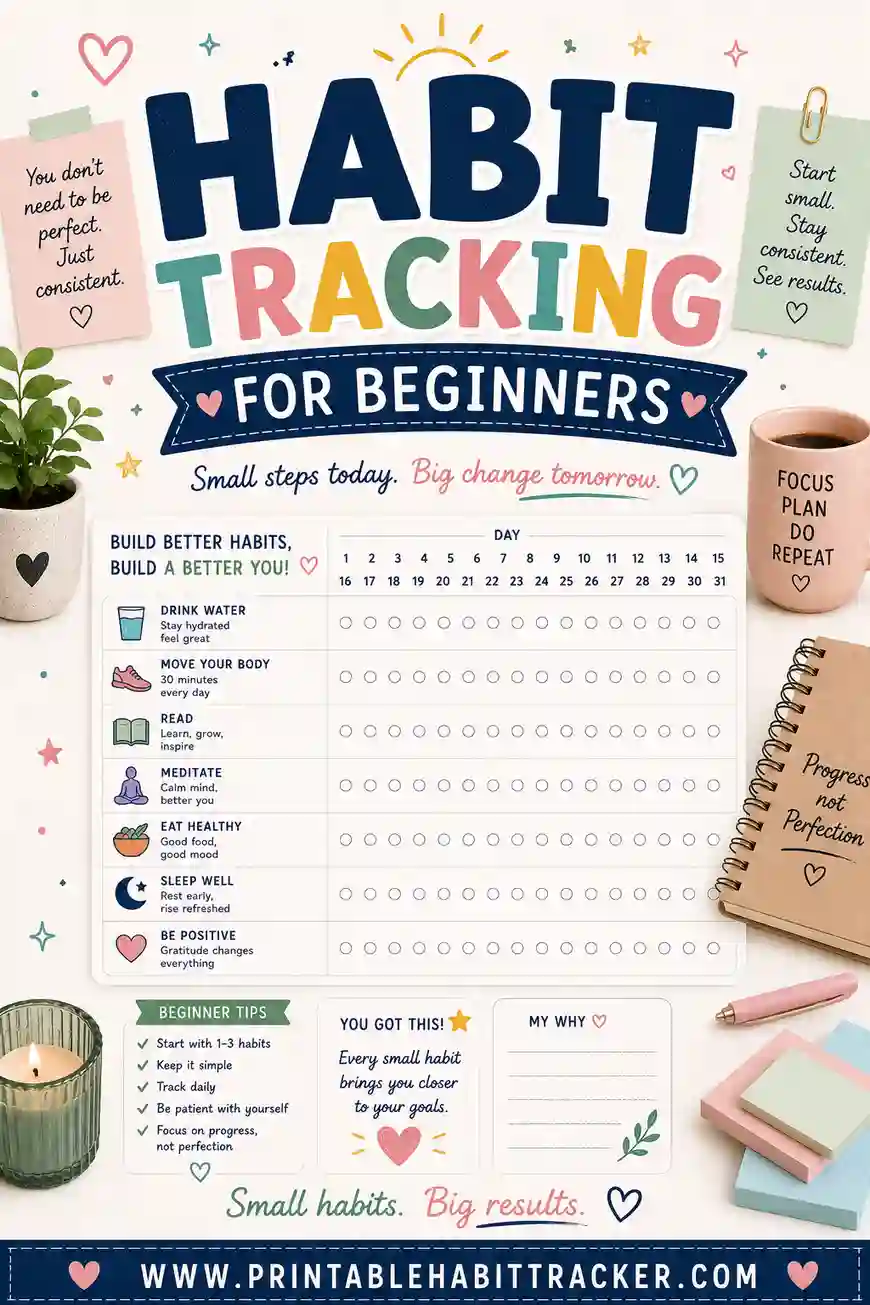
A habit tracker for breaking bad habits is a simple grid where you mark every day you avoid the habit you're trying to quit, turning a vague "I should stop" into a visible streak you don't want to break. Whether it's late-night scrolling, snacking out of stress, nail-biting, or hitting snooze, seeing the clean days add up is one of the most reliable ways to actually change. The fastest way to start is to open the free habit tracker maker, set up a row for the habit you're quitting, and print a sheet you can mark every day.
Want to begin today? Build your printable tracker, choose a monthly layout, add the habit you're breaking, and print a sheet for your wall or planner. No sign-up, no app, no cost.
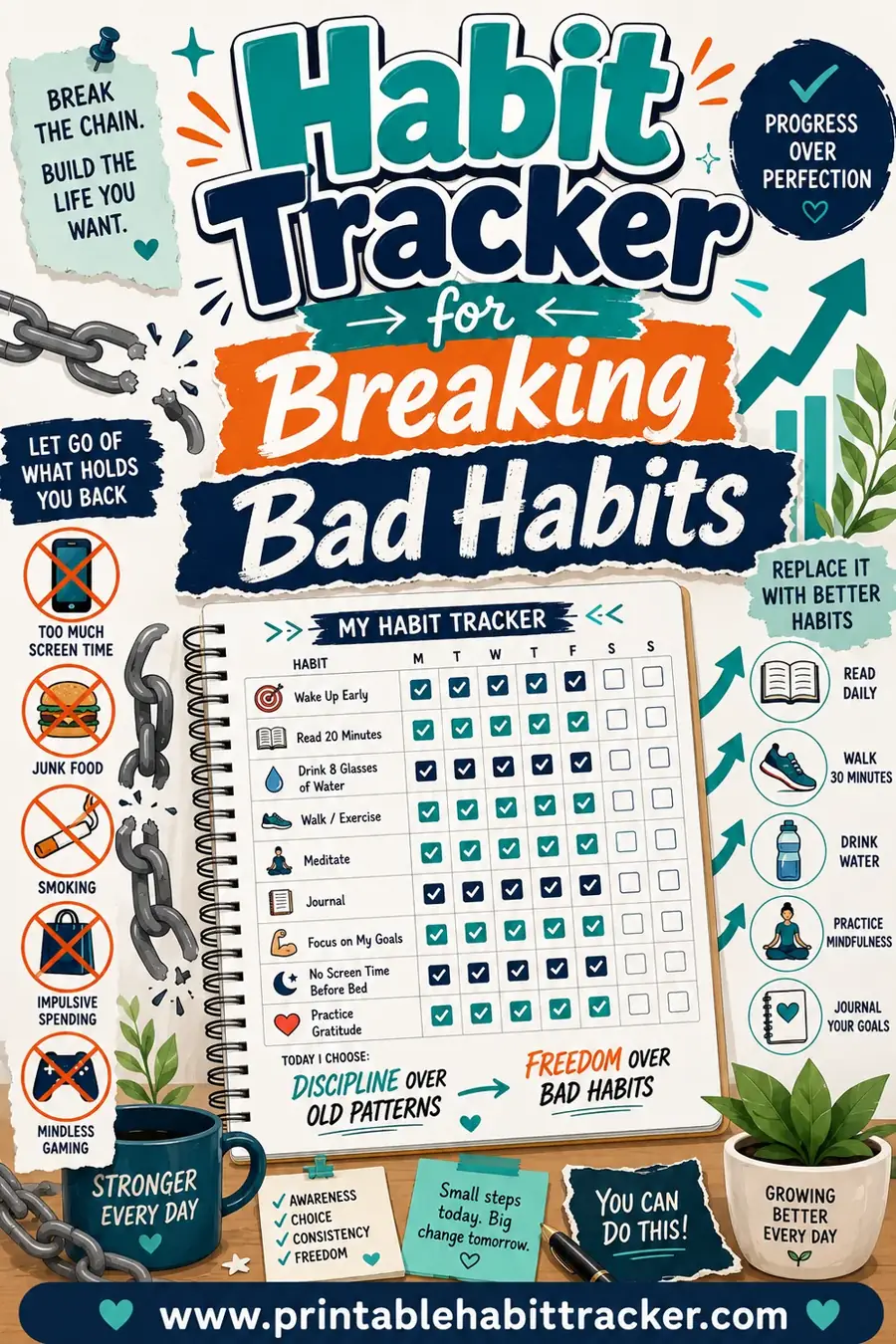
Why a Tracker Works for Breaking Habits
Bad habits thrive in the dark. You do them on autopilot, barely noticing, and the days blur together. A tracker drags the habit into the light. The simple act of having to mark a box forces a moment of awareness right when you'd otherwise act on autopilot.
Then there's the streak. Once you've got five, ten, twenty clean days marked in a row, that chain becomes something you protect. Nobody wants to be the reason a twenty-day streak resets to zero. That feeling, oddly, is more motivating than any amount of willpower, because it's visual and concrete.
A tracker also reframes the whole goal. Instead of "never do this again forever," which is overwhelming, you only have to win today. Mark one box. Then tomorrow, mark another. Big change becomes a series of small, winnable days.
Two Ways to Track a Bad Habit
There are two solid approaches, and the right one depends on whether you're quitting cold or cutting back. Both work, so pick the one that fits your goal.
| Approach | How it works | Best for |
|---|---|---|
| Clean-day streak | Mark every day you fully avoid the habit | Quitting something completely (smoking, nail-biting) |
| Count & reduce | Tally how many times you did it each day | Cutting back (scrolling, snacking, swearing) |
The clean-day method builds an unbroken chain you don't want to snap. The count method shows the number trending down over weeks, which is encouraging when "zero forever" isn't realistic yet. You can even run both: a streak row for the days you stayed clean, plus a small tally for slip-ups.
Add a replacement habit
Breaking a habit is far easier when you swap in a better one for the same trigger. Don't just track not scrolling at night, also track reading instead. A tracker with both a "broke" row and a "replaced with" row tackles the habit from both sides at once.
How Bad Habits Actually Work
To break a habit, it helps to understand the loop it runs on. Almost every habit follows the same three-part pattern.
- Cue. A trigger that kicks things off. Boredom, stress, a certain time of day, walking past the kitchen.
- Routine. The habit itself. The scroll, the snack, the cigarette.
- Reward. The little payoff your brain remembers. A hit of distraction, comfort, or relief.
You can't easily erase a routine, but you can change what you do after the cue. Keep the cue, swap the routine, chase a similar reward. A tracker helps you spot your cues (they tend to cluster at the same times) and confirm the new routine is sticking.
Find your triggers first
For the first few days, just track when you slip. Notice the patterns. If you always reach for your phone at 10 p.m. on the couch, that's your cue. Once you know it, you can plan a different response for that exact moment, which is far more effective than vague willpower.
Habits People Commonly Break (And How to Track Them)
Different habits call for slightly different tracking. Here are some common ones and the approach that tends to work best.
| Habit to break | Track this | Tip |
|---|---|---|
| Late-night phone scrolling | Clean-day streak | Charge phone in another room |
| Stress snacking | Count & reduce | Track the trigger, not just the snack |
| Nail-biting | Clean-day streak | Pair with a fidget replacement |
| Hitting snooze | Clean-day streak | Phone across the room |
| Skipping workouts | Track the positive (days you moved) | Flip it to a "did" habit |
| Negative self-talk | Count & reduce | Note one kind thing instead |
Notice the last few flip the script. Sometimes the cleanest way to break a bad habit is to track the good one that crowds it out. "Days I worked out" beats "days I skipped" because it gives you something to move toward, not just avoid.
How to Set Up Your Break-a-Habit Tracker
You can have a printed sheet ready in a few minutes. Here's the whole flow.
- Pick a monthly layout. A long row of daily boxes is perfect for watching a streak build across weeks.
- Add the habit. One habit you're breaking, plus an optional replacement habit.
- Choose a style. A clean grid with big, satisfying boxes to mark.
- Print it. Print the month so the whole journey is on one visible page.
Then put it somewhere you can't avoid it. On the fridge, beside your bed, or taped to the bathroom mirror. The whole power of this method is visibility, so a tracker in a drawer does nothing.
Make the streak satisfying
Use a bold marker or a sticker for each clean day. The more satisfying it feels to mark a box, the more your brain wants to keep the chain alive. Slip the sheet into a sleeve if you like, but for a streak, many people prefer the permanence of pen, so the chain feels real and earned.
What to Do When You Slip
You will slip. Everyone does. How you handle the blank box matters far more than the slip itself, and this is exactly where most people quit for good.
- One slip is not failure. A single missed day after twenty good ones is a 95% win, not a reason to torch the whole thing.
- Never miss twice. This is the rule that saves you. One slip is a slip. Two in a row is the old habit reclaiming you. Get right back to it tomorrow.
- Don't restart from zero in your head. A twenty-day streak with one gap is wildly different from never starting. Keep the long view.
- Get curious, not guilty. What was the trigger? Stress? A certain place? That slip just handed you useful data for next time.
The people who succeed aren't the ones who never slip. They're the ones who refuse to let one slip become five.
Setting Up Your Environment for Success
A tracker is powerful, but it works far better when you also remove the easy path to the old habit. Willpower is unreliable; a well-arranged environment quietly does the work for you. Think of it as stacking the deck in your own favor.
- Add friction to the bad habit. Make it harder to do. Phone charging in another room, junk food not in the house, the app deleted from your home screen. Every extra step is a chance to catch yourself.
- Remove friction from the replacement. Make the better choice the easy one. Book on the nightstand, water bottle filled, gym clothes laid out. You're far more likely to do the thing that's already set up.
- Change the cue, not just the response. If the couch at 10 p.m. triggers the scroll, change where you sit, or what's in your hands when you sit there.
- Tell your environment your goal. A sticky note on the fridge, the tracker on the wall, your streak where you'll see it. Visible reminders keep the goal top of mind right when temptation hits.
When your surroundings support the change, marking that clean box gets a whole lot easier. The tracker and the environment work as a team: one keeps you aware, the other keeps you from slipping in the first place.
Use a streak buddy
Tell one person what you're breaking and show them your tracker each week. You don't need a coach, just someone who'll ask how the streak is going. That small bit of accountability makes you far less likely to quietly let a slip slide, because now someone's rooting for the chain to grow.
Celebrating Progress and Milestones
Breaking a habit is hard work, and your brain responds to rewards. Build them right into the tracker so the good days come with a payoff.
- Mark milestones. Circle day 7, day 30, day 60. Each one is a genuine achievement worth pausing on.
- Plan a real reward. Promise yourself something nice at 30 clean days. A treat, an outing, something you'll look forward to.
- Keep finished sheets. A drawer of completed months is undeniable proof of how far you've come. Pull it out on a hard day.
- Tell someone. Sharing your streak adds gentle accountability and someone to celebrate with.
Every marked box is a small vote for the person you're trying to become. Over a month, those votes add up to a real change.
Frequently Asked Questions
How does a habit tracker help break a bad habit?
It makes the habit visible and turns quitting into a daily winnable game. Each box you mark builds a streak you won't want to break, and the simple act of marking forces awareness right when you'd usually act on autopilot. Visibility plus a streak beats willpower alone.
Is this habit tracker free?
Yes. You build and print it yourself with no sign-up, no watermark, and no limit on copies. Print a fresh sheet every month for as long as it takes, without paying anything.
Should I track the bad habit or a good replacement?
Both, ideally. Mark the clean days you avoided the habit, and also track the better routine you're swapping in for the same trigger. Tackling it from both sides, like reading instead of scrolling, makes the change far more likely to stick.
What do I do when I break my streak?
Don't quit. One slip after a long streak is still a huge win, so just make sure you never miss twice in a row. Get curious about what triggered it, then mark the next box tomorrow. The slip becomes data, not failure.
How long until a bad habit is broken?
It varies by person and habit, often several weeks to a few months of consistency. A tracker helps by showing steady proof of progress so you stay motivated through the slow middle. Focus on winning today, and the long timeline takes care of itself.
Start Breaking That Habit Today
Pick the one habit you most want to break, open the free habit tracker maker, and print a monthly sheet for your wall or fridge. It's free, there's no sign-up, and you can reprint a fresh month for as long as you need. You only have to win today, then do it again tomorrow.
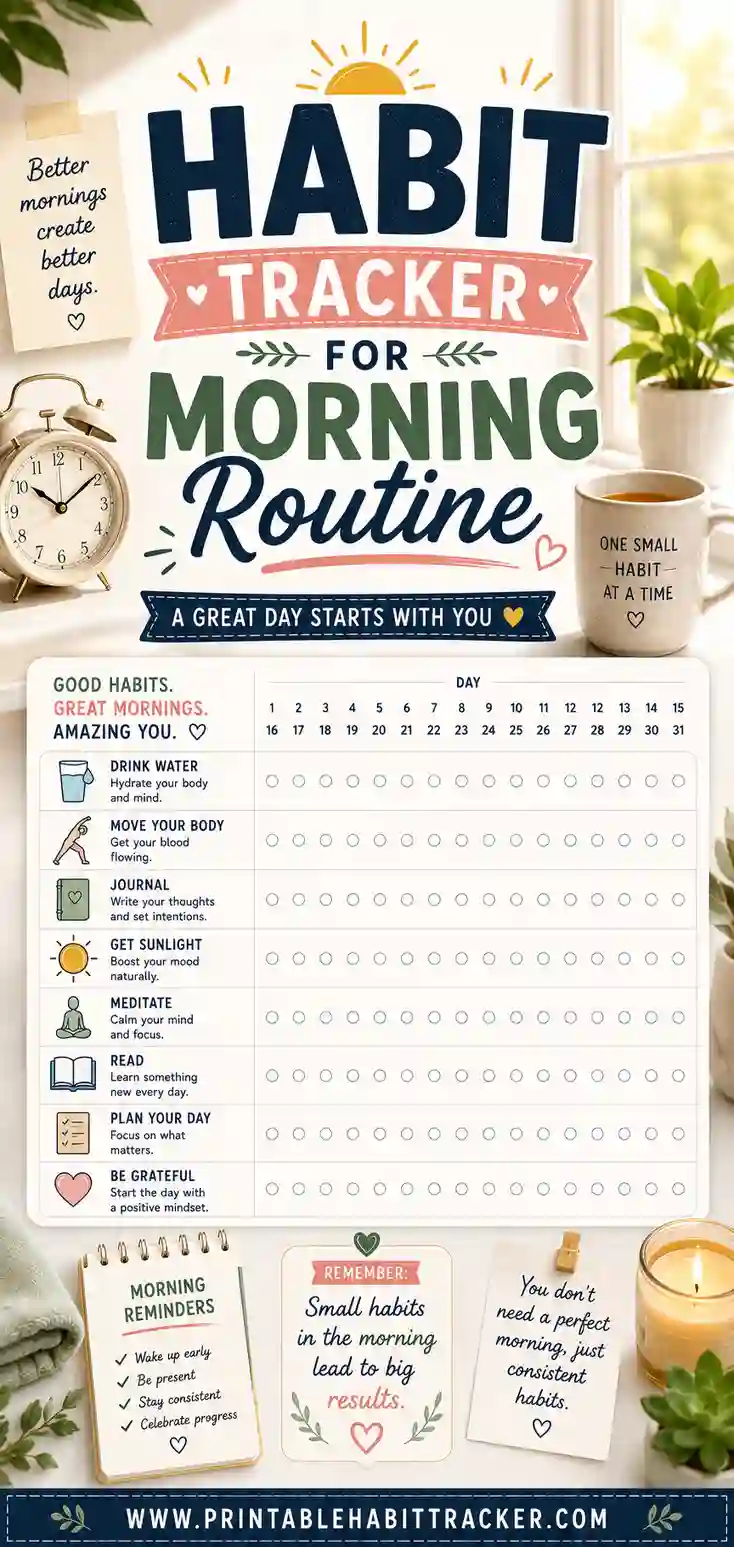
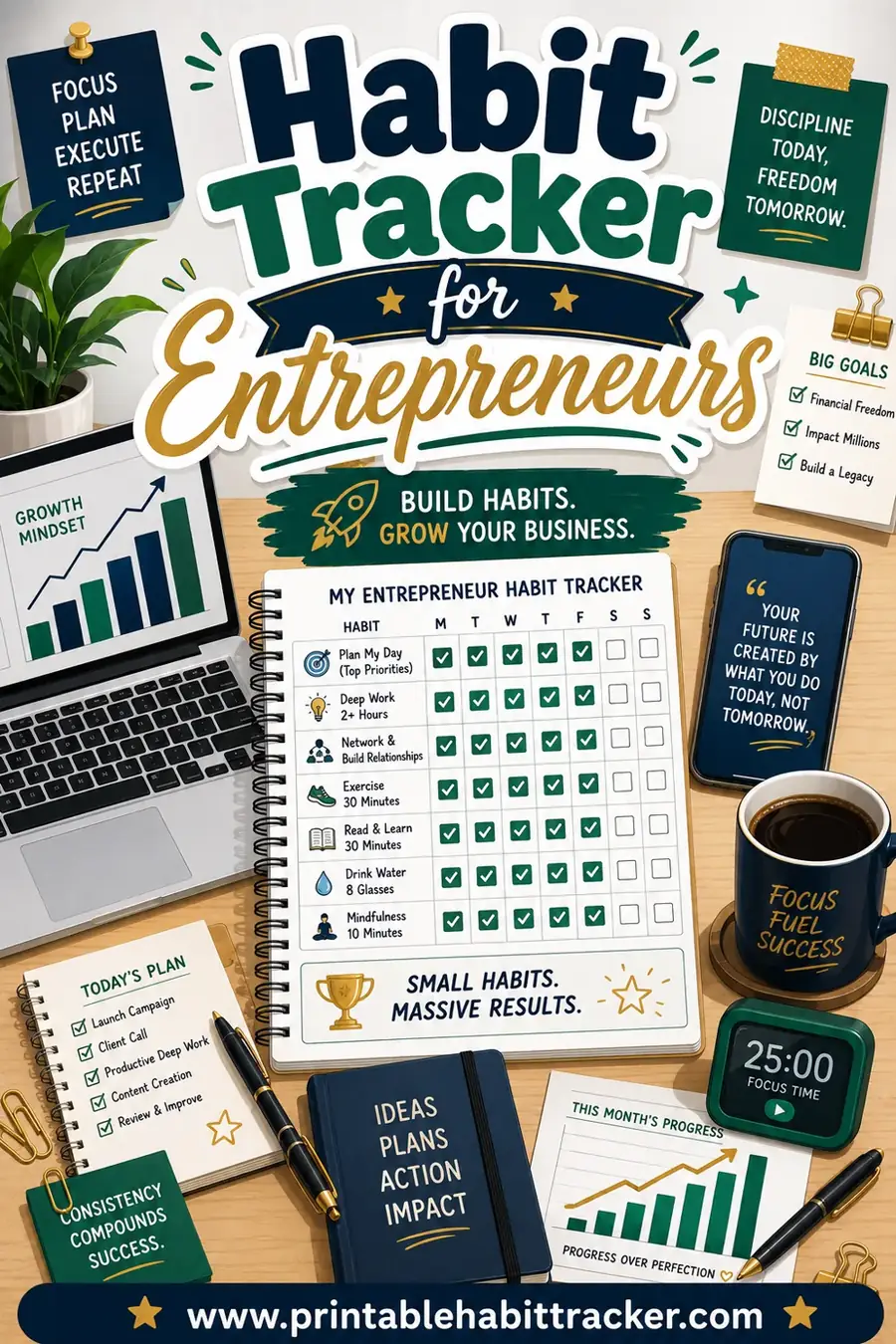
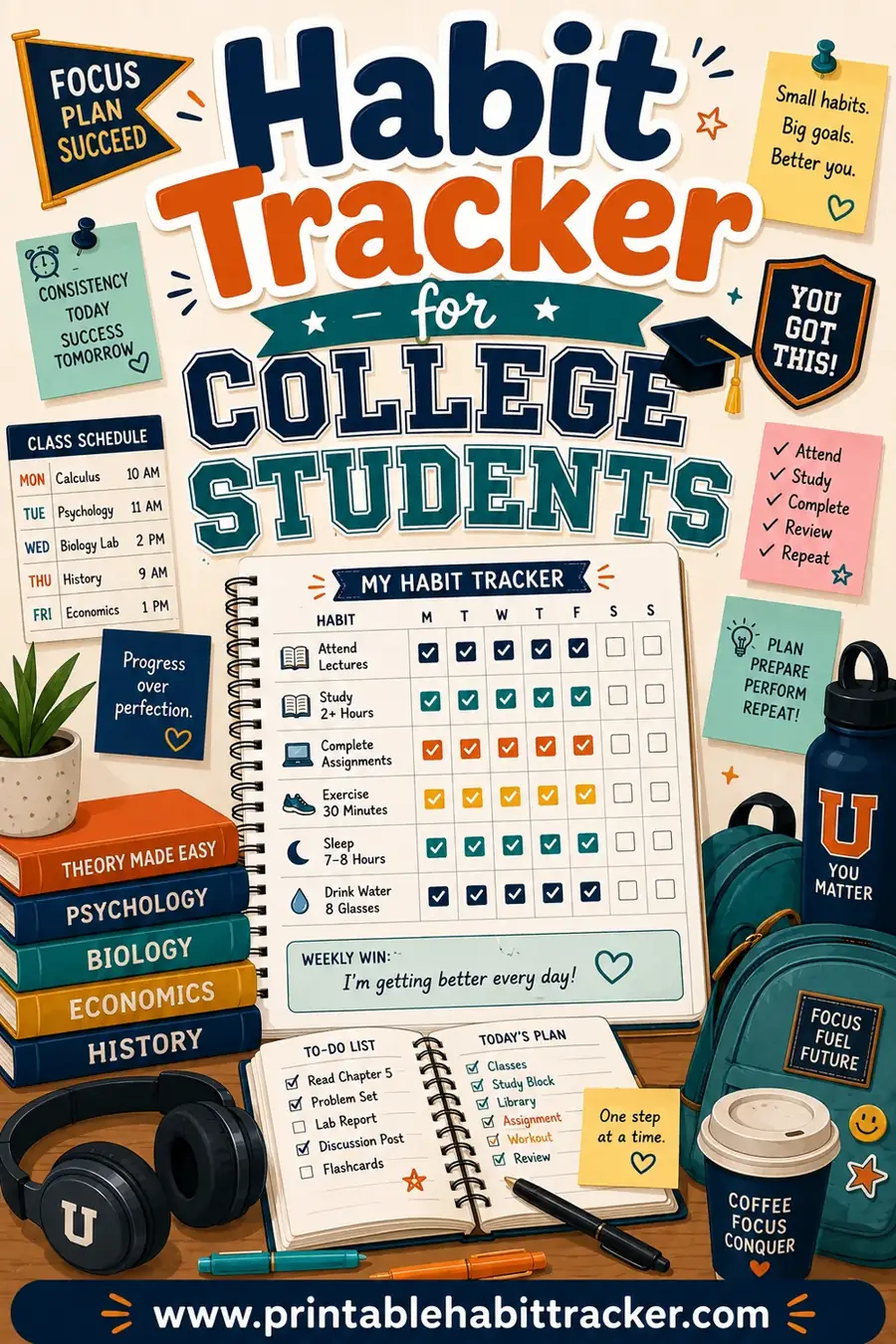
While you're at it, our tracker for a strong morning routine pairs perfectly if snooze or late nights are your habit, and there's one built for entrepreneurs and one for college students if you're building better routines on top of breaking old ones. Small boxes, real change.