Habit Tracker for Kids & Chores: Free Printable Template
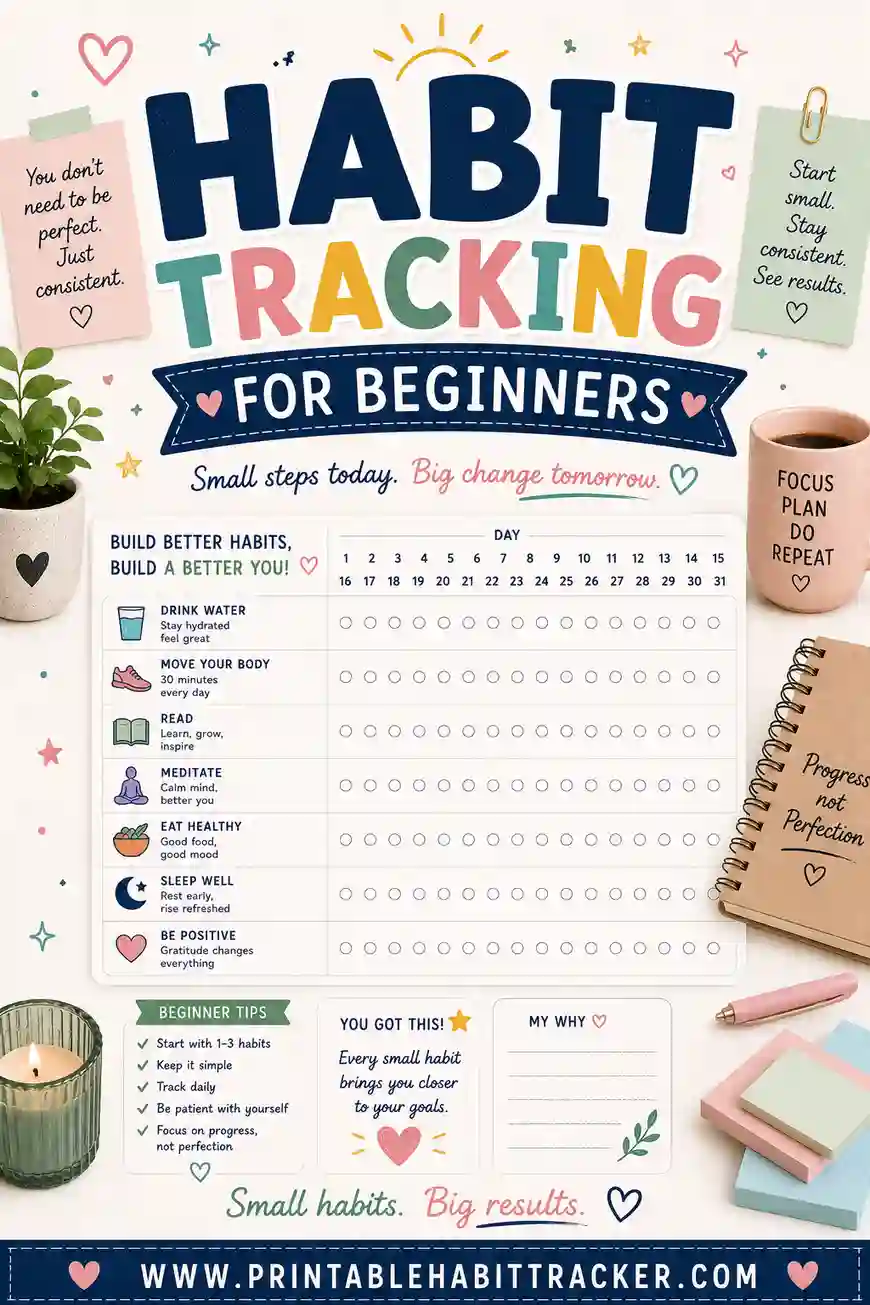
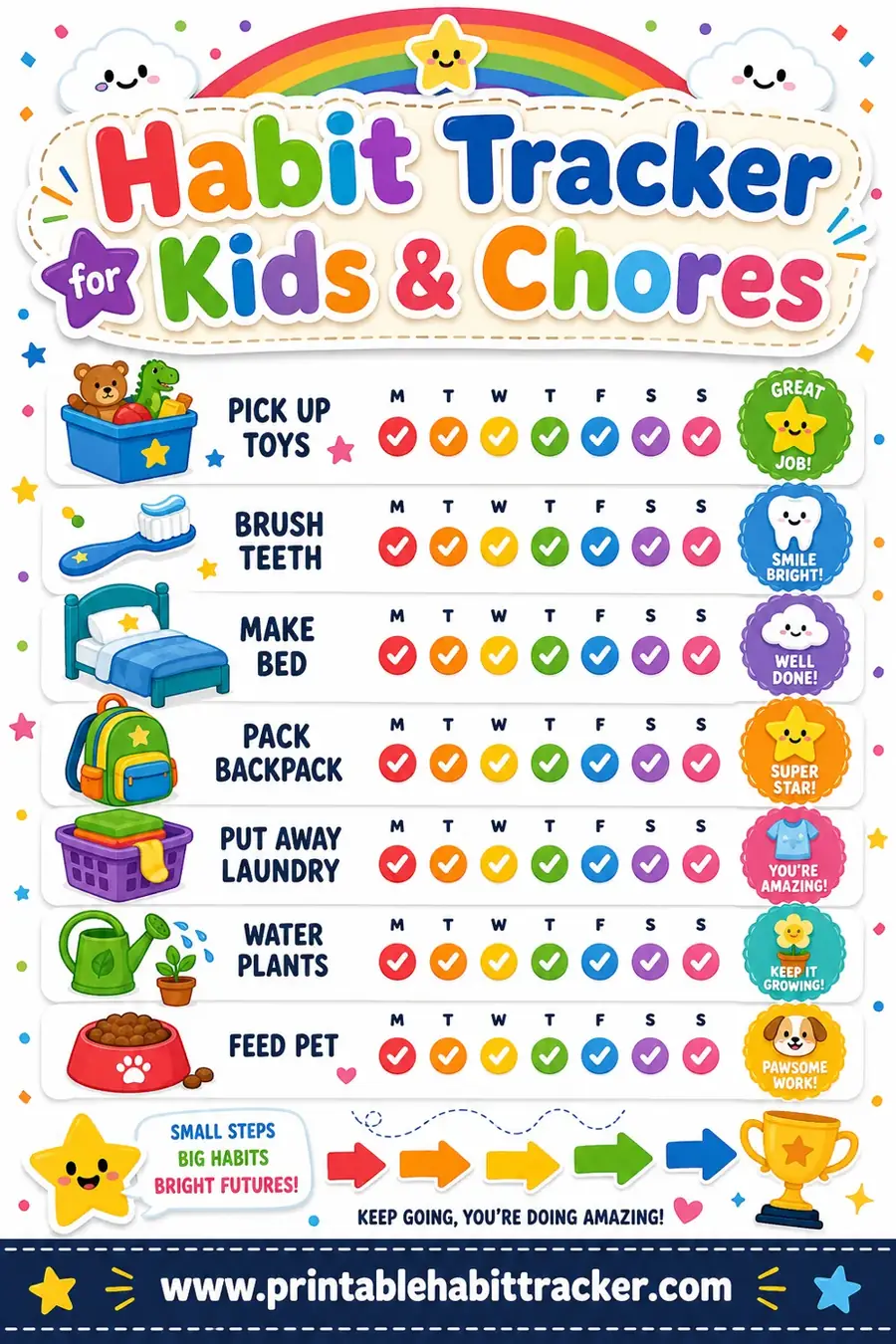
A habit tracker for kids and chores is a colorful grid where children check off daily tasks like brushing teeth, making the bed, and feeding the pet. It turns chores and good habits into a game kids actually want to play, builds responsibility without the daily nagging, and gives them the satisfying click of filling in a box. The simplest way to make one is a free printable habit tracker, pick age-appropriate tasks, and print a bright sheet for the fridge or their bedroom wall.
Want one ready before bedtime? Open the free tracker, add a few kid-friendly habits and chores (there's a ready-made list below), choose daily or weekly, and print. No sign-up, no app, no fee.
Why Habit Trackers Work So Well for Kids
Kids love checking off boxes. There's something deeply satisfying about it for them, the same way adults feel about a crossed-off to-do list. That tiny hit of accomplishment is exactly what makes a tracker work where reminders fail.
A chart also shifts the dynamic. Instead of you repeating "did you brush your teeth?" for the fifth time, the chart asks the question. Kids learn to glance at it themselves, find the blank box, and fill it in. That's the first step toward doing things without being told, which is the whole goal.
And it makes good habits visible. A week of checked "made my bed" boxes is concrete proof a child can see and be proud of. Visible progress builds the kind of momentum that turns a nagged task into an automatic routine.
Habits and Chores Worth Tracking by Age
Match the tasks to the child. Too hard and they give up; too easy and they get bored. Here's a starter set grouped by what most kids can handle.
| Age group | Good habits & chores | Tracker style |
|---|---|---|
| Toddlers (2–4) | Brush teeth, put toys away, get dressed | Pictures, not words; big boxes |
| Young kids (5–7) | Make bed, feed pet, pack school bag | Simple words + pictures |
| Big kids (8–10) | Homework done, set the table, tidy room | Words; daily grid |
| Tweens (11+) | Laundry, dishes, manage screen time | Words; weekly chores too |
Keep the daily list short, three to five tasks is plenty for younger kids. A wall of twelve chores just teaches them to ignore the chart.
Mix habits with chores
A good kids' tracker isn't only chores. Blend in personal habits like "drank water," "read for 10 minutes," or "kind to my sibling." That mix teaches kids that taking care of themselves and helping the family are both part of a good day.
Chore Ideas That Build Real Responsibility
Beyond the basics, here are chores worth tracking, with why each one helps a child grow.
- Feed the pet. Teaches that another living thing depends on them. A favorite because it feels important.
- Set or clear the table. A small, daily contribution to the household everyone notices.
- Sort laundry. Surprisingly fun for younger kids, and genuinely helpful.
- Tidy their room. Builds ownership of their own space.
- Water the plants. Gentle, low-stakes responsibility that's easy to see through.
- Pack their own bag. Builds independence and cuts the morning scramble.
- Help with dishes. A team chore that shows the family shares the load.
Rotate chores week to week so kids don't get stuck on the one they hate. A printable tracker makes it easy to swap tasks each time you print a fresh sheet.
How to Build Your Kids' Tracker in 4 Steps
You can have this on the fridge in ten minutes. Here's the whole process.
- Pick tasks with your child. Choose three to five habits and chores together. Letting them help choose builds buy-in.
- Choose the style. Pictures for little ones, words for older kids. Daily grid is best for most.
- Add a reward goal. Decide what a full week earns, like extra screen time or a small treat, and write it at the top.
- Print it. Lay it out with the free tracker, print, and hang it where your child can reach it.
Hang it at their eye level, not yours. A chart a kid can't reach is a chart they won't use.
Rewards: What Works and What Backfires
Rewards make trackers fun, but the wrong kind can backfire. Here's the balance.
Rewards that work
- Privileges over stuff. Extra screen time, a later bedtime on Friday, or picking the movie often beat toys.
- Experiences. A trip to the park, baking together, or choosing dinner. These build memories, not clutter.
- Small, immediate wins. A sticker for each box plus a bigger reward for a full week keeps motivation steady.
- Praise, every time. "You did that all by yourself!" is the most powerful reward of all, and it's free.
What to avoid
- Cash for every tiny task. Paying for basic self-care like brushing teeth can backfire. Save money for bigger, optional chores if you go that route.
- Big rewards for everything. If every box earns a prize, the prize loses its power fast.
- Punishing blank boxes. A missed box should mean a gentle reset tomorrow, not a scolding. Keep the chart positive.
| Reward type | Best for | Watch out for |
|---|---|---|
| Stickers | Toddlers, young kids | Losing novelty; rotate designs |
| Screen time | Big kids, tweens | Tying it to too many tasks |
| Allowance | Optional bigger chores | Paying for basic self-care |
| Praise & experiences | All ages | Nothing, this one always works |
Tips to Keep Kids Using the Chart
The chart only works if it stays a habit. A few things keep it alive.
- Make it bright and theirs. Let kids decorate it or pick the colors. A chart they own is a chart they use.
- Check in at set times. Tie it to morning and bedtime routines so filling it in becomes automatic.
- Celebrate the streak. Make a small deal out of a full week. Kids chase the streak once they feel the pride.
- Stay consistent yourself. If you forget about the chart, so will they. Glance at it daily and ask how it's going.
- Refresh weekly. Print a new sheet each week, swap a chore, and it stays fresh instead of becoming wallpaper.
Let them lead over time
The end goal is a kid who does these things without the chart. As habits stick, quietly retire the easy ones and add slightly bigger responsibilities. The tracker is training wheels, not a permanent fixture.
Who a Kids' Chore Tracker Helps Most
This works for almost any family, but a few situations get the biggest lift.
- Busy mornings. A chart turns the chaotic school-day scramble into a calm checklist kids can run themselves.
- Multiple kids. Give each child a column or their own sheet. A little friendly competition can work wonders.
- Building independence. For kids ready to do more on their own, a tracker is the bridge from "told to" to "just does it."
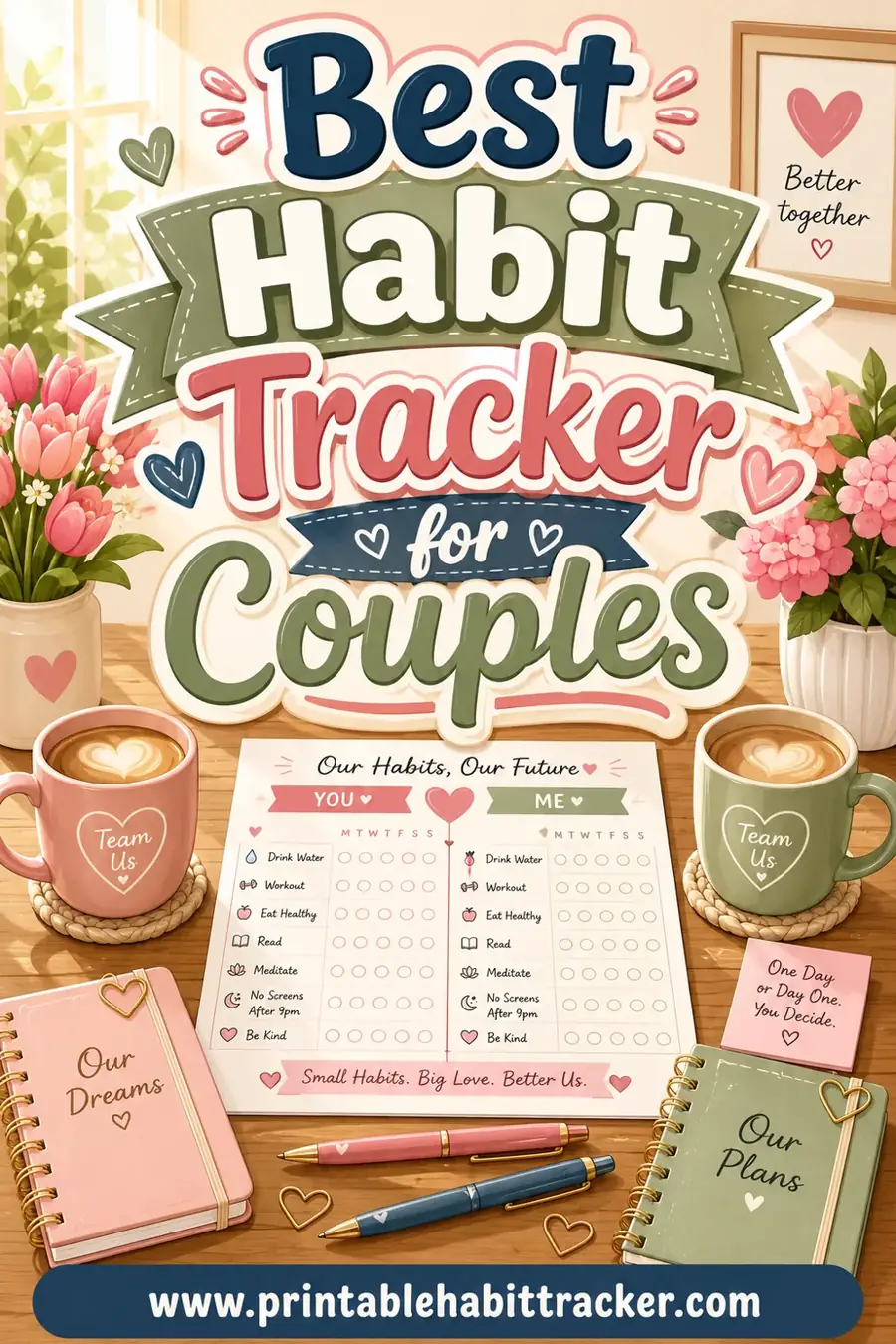
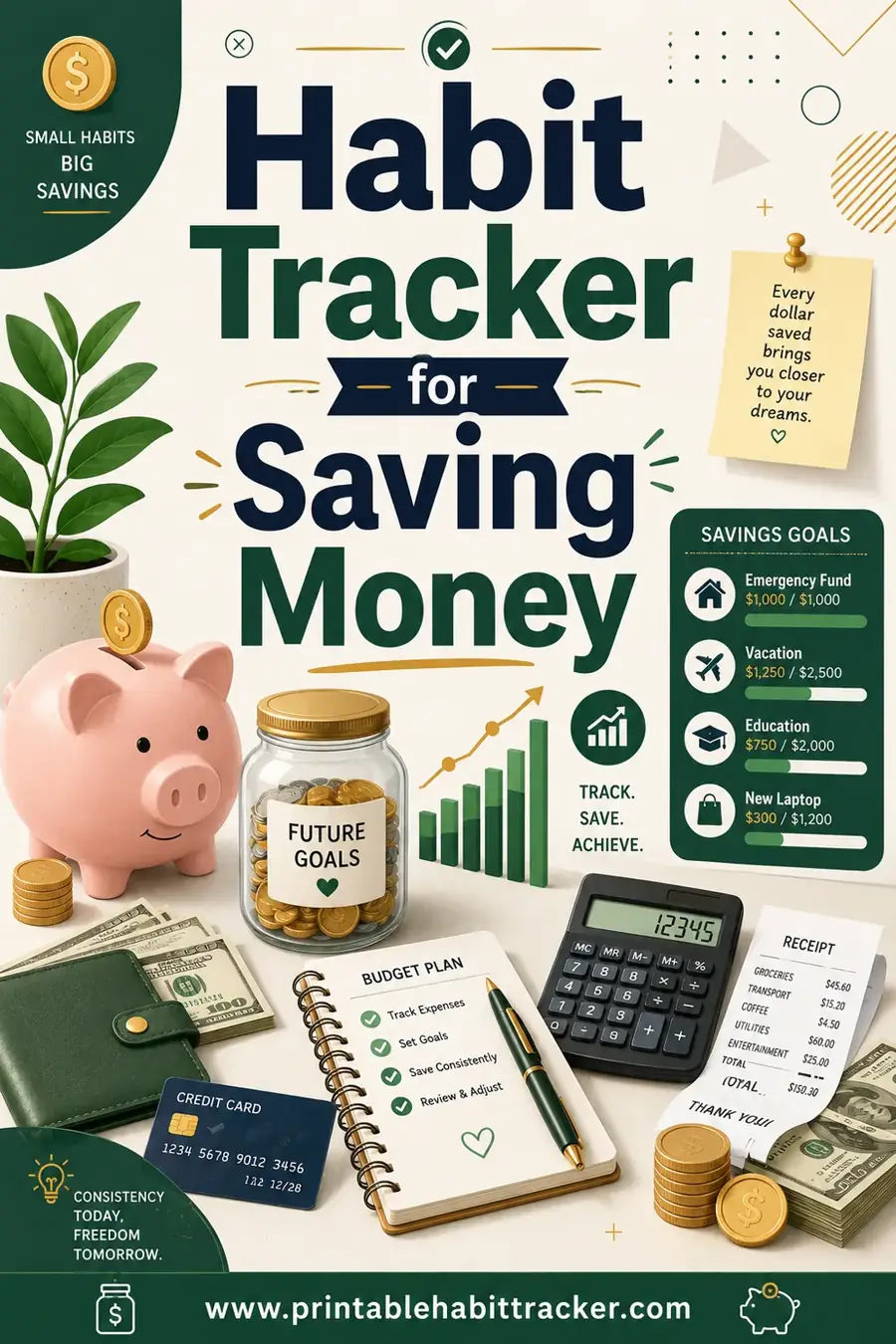
- Whole-family habits. Pair the kids' chart with a parents' tracker so the household builds habits together. Our habit tracker for couples covers the grown-up side, and a saving-money tracker is a great way to teach older kids about money too.
Frequently Asked Questions
How do I use a habit tracker for kids and chores?
Pick three to five age-appropriate habits and chores with your child, print a colorful sheet, and have them check off each task they complete. Hang it at their eye level and tie a small reward to a full week. The boxes do the reminding, so you nag less.
What chores should be on a kids' tracker?
Match chores to age. Toddlers can put away toys and brush teeth; young kids can make beds and feed pets; older kids can set the table, do homework, and tidy their rooms. Mix in personal habits like reading or drinking water, and keep the daily list short.
Should I pay kids for chores on the tracker?
It's a personal call. Praise and privileges work better than cash for basic self-care like brushing teeth. If you want to use money, save it for bigger optional chores, so kids learn that helping the family is expected while extra effort earns extra. Keep rewards consistent.
How do I get my child to actually use the chart?
Let them help choose the tasks and decorate the chart so they feel ownership. Hang it where they can reach it, check in at the same times each day, and celebrate streaks. Stay consistent yourself, since kids follow your lead. A fresh sheet each week keeps it from going stale.
What age can kids start using a habit tracker?
Even toddlers around age two or three can use a picture-based chart for simple tasks like putting toys away. Use images instead of words and big boxes for little hands. As kids grow, swap pictures for words and add more responsibility. There's no upper age limit.
How often should I reset a kids' chore chart?
A weekly reset works best for most families. A fresh sheet each week feels like a clean start, lets you rotate chores so kids don't get bored, and pairs naturally with a weekly reward. Print a new one every Sunday and you're set for the week.
Start the Chart Today
Sit down with your child, pick a few habits and chores from the lists above, open the free printable habit tracker, and print a bright sheet for the fridge. Hang it at their level, set a fun weekly reward, and watch them race to fill in the boxes. It's free, there's no sign-up, and in a few weeks you'll have a more responsible kid, and fewer reminders to give. Happy charting.