Habit Tracker for Teachers: Free Printable to Build Better Routines
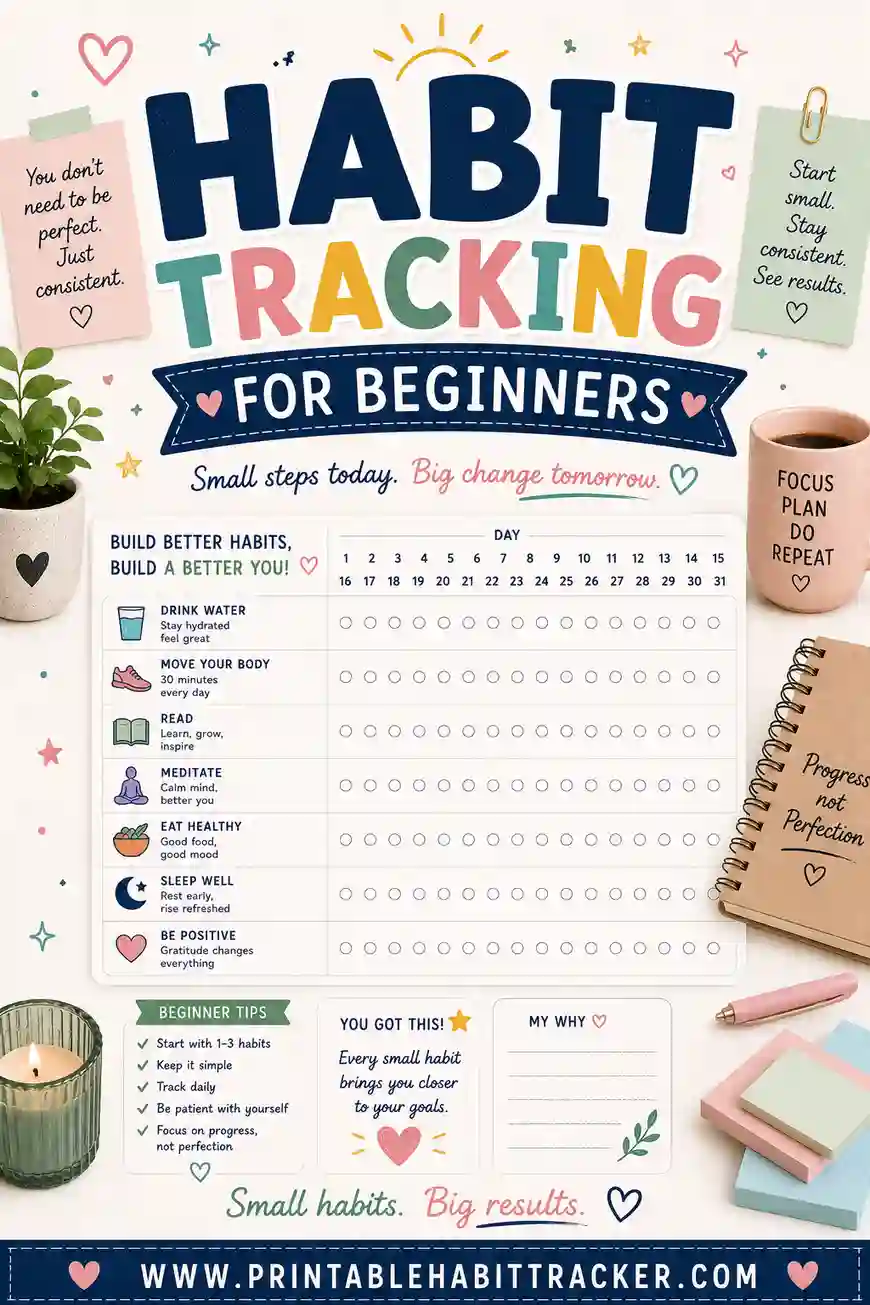
A habit tracker for teachers is a simple grid where you check off the small daily and weekly routines that keep your classroom and your sanity running. Things like prepping tomorrow's materials, logging parent contact, drinking water before third period, or actually leaving school by 4:30. The fastest way to start is to open the free habit tracker maker, pick the habits that matter to your week, and print a clean sheet you can clip to your desk or planner.
Want to skip ahead? Build your printable tracker now, choose a daily or weekly layout, add your own habits, and print as many copies as you need. No sign-up, no app to download, no monthly fee.
Why Teachers Need a Habit Tracker
Teaching is a hundred tiny tasks stacked on top of each other. You already carry the whole day in your head, so the loose, easy-to-skip habits are the first to fall off. Drinking water. Stepping outside at lunch. Sending that one email home before it slips your mind.
A habit tracker pulls those routines out of your head and onto paper where you can see them. When a habit is a box you check, it stops competing with the bell schedule for attention. You glance at the sheet, you check the box, you move on.
There's a second benefit that matters even more in a demanding job: it shows you proof. On a rough week, a tracker with twenty checkmarks reminds you that you actually did show up and do the work, even when it didn't feel like it.
Classroom Habits Worth Tracking
Some habits keep the room running. These are the ones that, when you do them daily, make everything else smoother.
| Habit | Why it helps | How to track |
|---|---|---|
| Prep materials the night before | No frantic morning printing | Daily checkbox |
| Greet students at the door | Sets the tone, catches mood early | Daily checkbox |
| Update the board / agenda | Students self-start, fewer questions | Daily checkbox |
| Log one parent contact | Keeps families looped in | Daily, aim for 1+ |
| Tidy desk before leaving | Calm start next morning | Daily checkbox |
| Back up grades / files | Protects your work | Weekly checkbox |
Pick three or four to start. A tracker stuffed with fifteen habits looks impressive on day one and gets ignored by Wednesday. Fewer rows, more checkmarks.
Start small on purpose
If you've never tracked habits before, choose one classroom habit and one personal habit. That's it. Once checking those two boxes feels automatic, add a third. Building the habit of tracking is the real first goal.
Personal Habits That Protect You From Burnout
Your classroom runs on your energy, so the personal column isn't a luxury. It's maintenance. These habits are small enough to actually do on a packed day.
- Drink water before lunch. A glass on your desk, checked off by noon.
- Eat an actual lunch. Not a granola bar during a make-up test.
- Stand and stretch once a day. Even two minutes during a prep period.
- Leave by a set time. Pick a "hard stop" and track the days you keep it.
- No school email after dinner. A boundary you can see is a boundary you keep.
- One thing for you. A walk, a book, ten quiet minutes. Track it like it matters, because it does.
When these become checkboxes, they get the same weight as your lesson plans. That's the point. You're telling yourself your own well-being belongs on the list.
Daily vs. Weekly vs. Monthly Layouts
Teachers run on overlapping rhythms, so the right layout depends on the habit. Here's how to match the frequency to the routine.
| Layout | Best for | Example habits |
|---|---|---|
| Daily (Mon–Fri) | Classroom routines you repeat every day | Door greeting, agenda update, desk tidy |
| Weekly | Habits you do a few times a week | Gym, meal prep, backing up files |
| Monthly | Big-picture goals and check-ins | One parent newsletter, professional reading, a personal goal |
| Yearly | Long arcs across the school year | Units finished, PD hours, books read |
You don't have to pick just one. Many teachers keep a daily sheet at their desk and a monthly sheet in their planner. The habit tracker maker lets you build each one and print them separately.
How to Set Up Your Teacher Habit Tracker
You can have a printed sheet in about five minutes. Here's the whole flow.
- Choose your layout. Daily for classroom routines, weekly or monthly for bigger goals.
- Add 3–6 habits. Mix classroom and personal so the sheet supports the whole you, not just the job.
- Pick a style. A clean grid for the desk, or a softer style for a planner page.
- Print a stack. Print a month at a time so you're not reprinting every Monday.
Keep the printed sheet somewhere you can't miss it. Taped inside your planner, clipped to a clipboard by the door, or pinned near your desk. A tracker in a drawer is a tracker you forget.
Make it survive the school day
Print on cardstock or slip the sheet into a clear sleeve and check boxes with a dry-erase marker. At the end of the week, snap a photo for your records, wipe it clean, and reuse it. One printed sheet can last a whole month.
Tracking Habits With Your Students
The same tool that organizes your week can run a classroom routine chart. Habit tracking teaches kids that big goals are built from small, repeated actions, and that's a lesson worth more than most worksheets.
- Reading streaks. A row per student, a box per day they read. Watching the streak grow is its own motivation.
- Classroom jobs. Track whether daily jobs got done, no nagging required.
- Whole-class goals. "20 days of everyone turning in homework earns a movie afternoon." A visible tracker makes the goal real.
- Behavior or kindness habits. Catch the good stuff and check a box for it.
Print a large version, post it on the wall, and let students mark their own boxes. Ownership is what makes it stick. You can build a class-sized grid in the tracker maker just by adding more rows.
Fitting the Tracker Into the School Year
A teaching year isn't one long stretch, it's a series of very different seasons, and your tracker should flex with them. The habits that serve you in September aren't the same ones you need in May.
- The first weeks. Focus on routine-building habits: greeting students, posting the agenda, prepping the night before. These set the tone for the whole year, so make them your first rows.
- The deep-winter slog. This is when burnout creeps in. Lean your tracker toward personal habits, the walk, the water, the hard stop, because the job will happily take everything you have if you let it.
- Testing season. Add temporary rows for the specific prep your students need, then retire them when it's over. A tracker can be seasonal.
- The final stretch. Energy is low and patience is thin. Track the small things that keep you steady, like leaving on time and one thing for yourself, more than ambitious new goals.
You don't need a brand-new tracker each season. You just swap a row or two when the demands shift. The habit tracker maker makes that a two-minute job, so your sheet always matches the part of the year you're actually in.
A tracker for report-card crunch
When grading season hits, make a focused weekly sheet just for that. One row per class, a box for each batch of grading finished. Watching the boxes fill turns an overwhelming pile into a series of small, checkable wins, and it keeps you from leaving it all to one panicked Sunday.
Keeping the Streak Going
The honest truth: you'll miss days. A fire drill eats your prep, a kid needs you, the copier dies. The tracker isn't there to make you feel guilty about a blank box. It's there to help you notice patterns and get back on track fast.
- Never miss twice. One blank box is a slip. Two in a row is the start of a new (worse) habit. Aim to bounce back the next day.
- Look for the why. If "leave by 4:30" is always blank on Mondays, that's data. Maybe Monday needs a different plan.
- Celebrate full weeks. A row of checks is a small win. Notice it.
- Reset each month. A fresh printed sheet is a clean slate. No streak to feel bad about losing.
Frequently Asked Questions
What habits should a teacher track first?
Start with two: one classroom habit (like prepping materials the night before) and one personal habit (like drinking water before lunch). Master those before adding more. A short list you actually complete beats a long list you ignore.
Is this habit tracker really free for teachers?
Yes. You build and print it yourself at no cost. There's no sign-up, no watermark, and no limit on how many copies you make. Print a class set or a year's worth of personal sheets without paying a cent.
What's the best layout for a busy teaching schedule?
A weekly Monday-to-Friday grid works best for classroom routines because it matches the school week. Keep a separate monthly sheet for bigger goals like newsletters or professional reading. You can build and print both from the free maker.
Can I use this to track classroom behavior or reading?
Absolutely. Add a row per student and a box per day, then post the printed sheet on the wall. It works great for reading streaks, classroom jobs, and whole-class goals. Just add more rows when you build it.
How do I keep the tracker going when school gets hectic?
Aim to never miss two days in a row, and don't stress a single blank box. Reset with a fresh printed sheet each month so a rough week doesn't follow you. The goal is progress, not a perfect grid.
Start Your Teacher Habit Tracker Today
Pick three or four habits that would make your week smoother, open the free habit tracker maker, and print a clean sheet for your desk or planner. It's free, there's no sign-up, and you can reprint it whenever you need a fresh start.
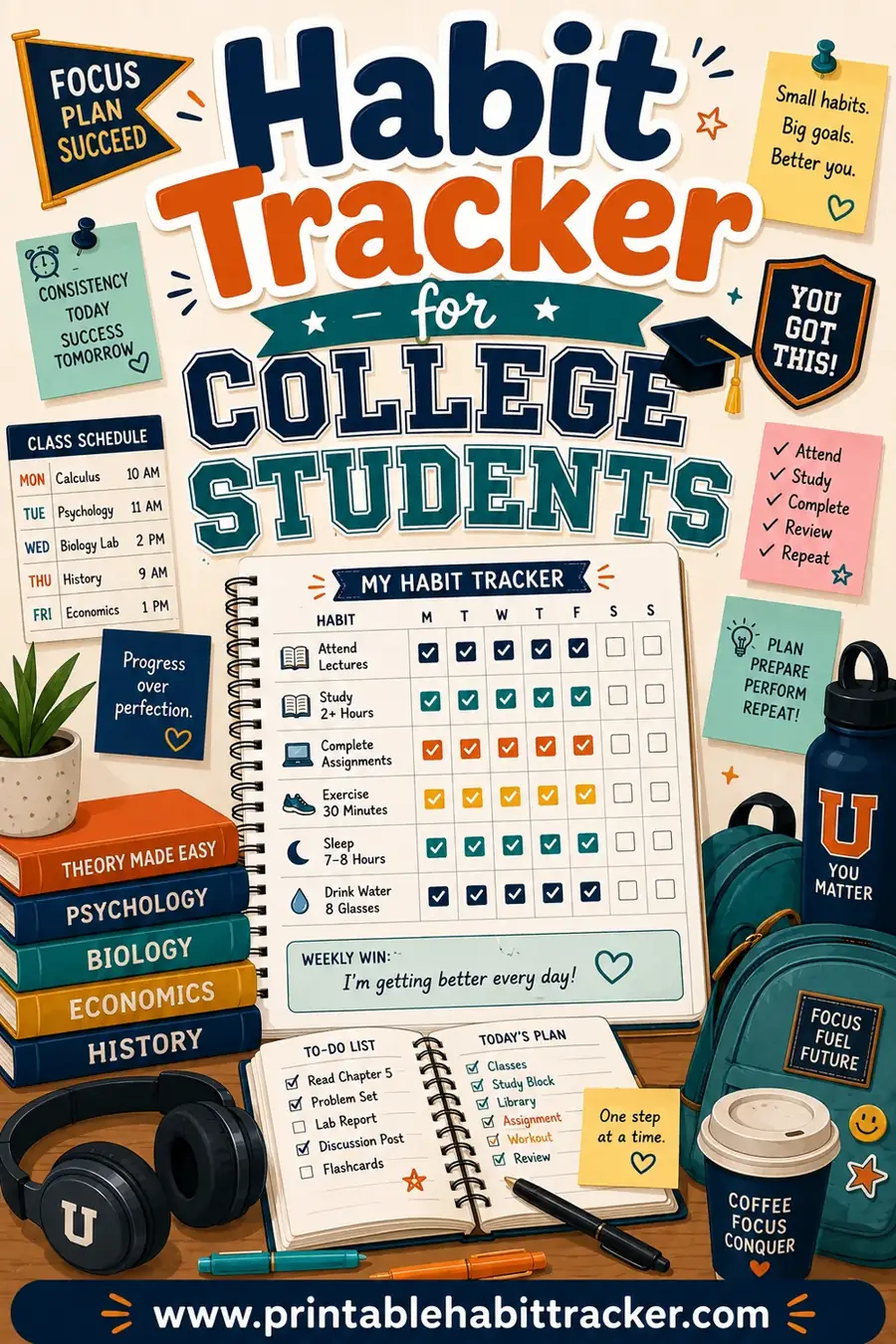
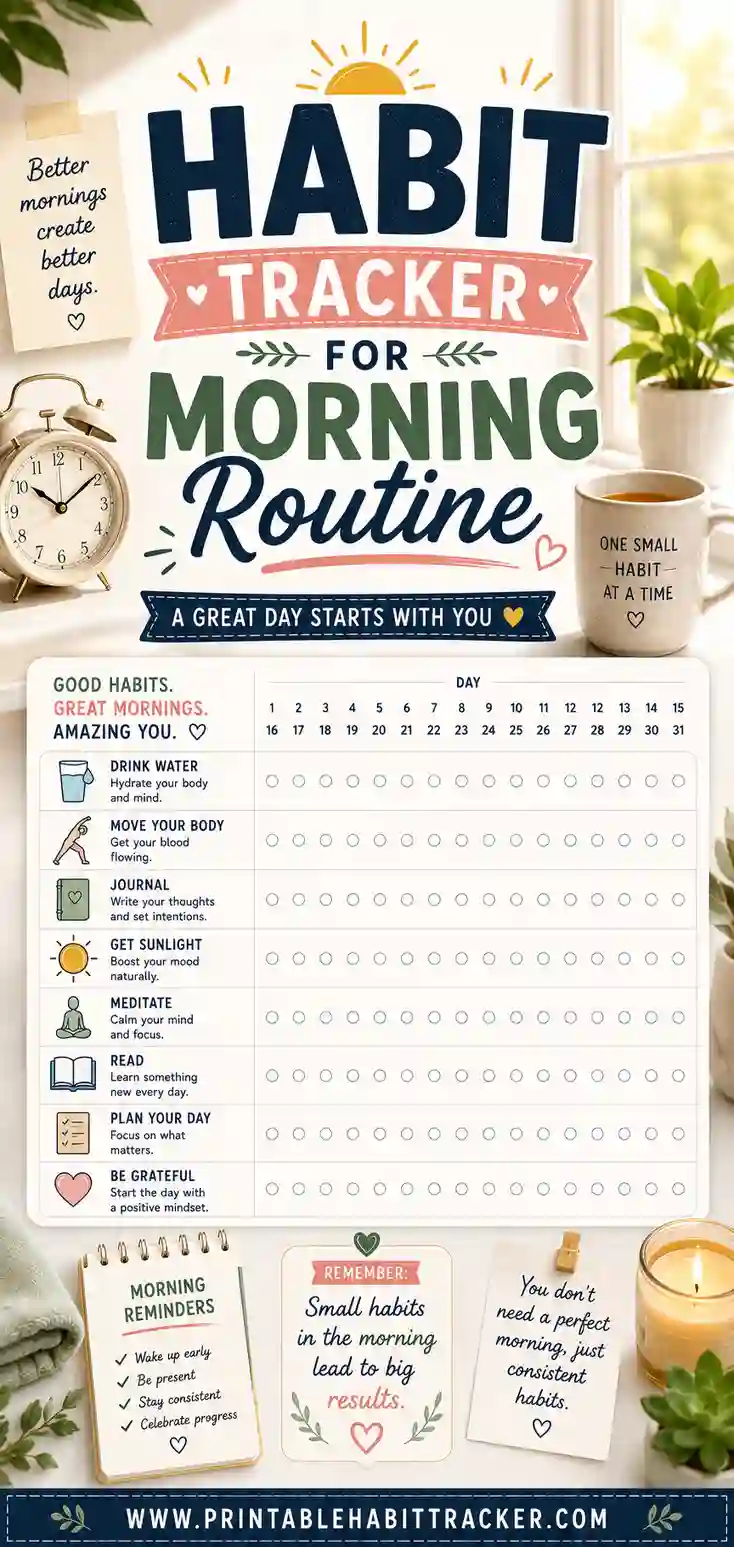
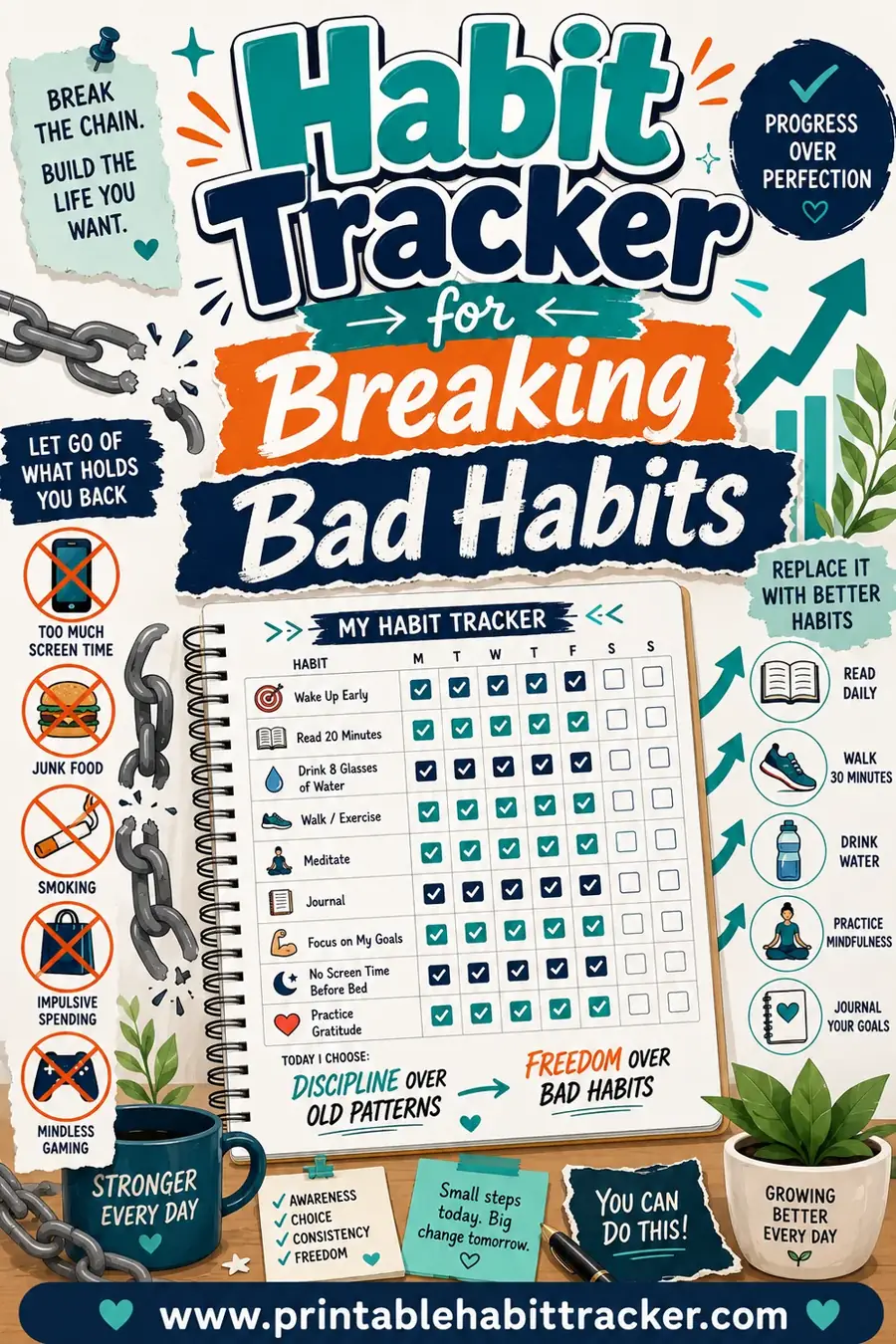
While you're building routines, you might also like our trackers for a solid morning routine, for breaking a bad habit, or one shaped for college students if you're juggling teaching with grad classes. Small boxes, big difference.