Paper vs App Habit Tracking: Which One Actually Sticks?
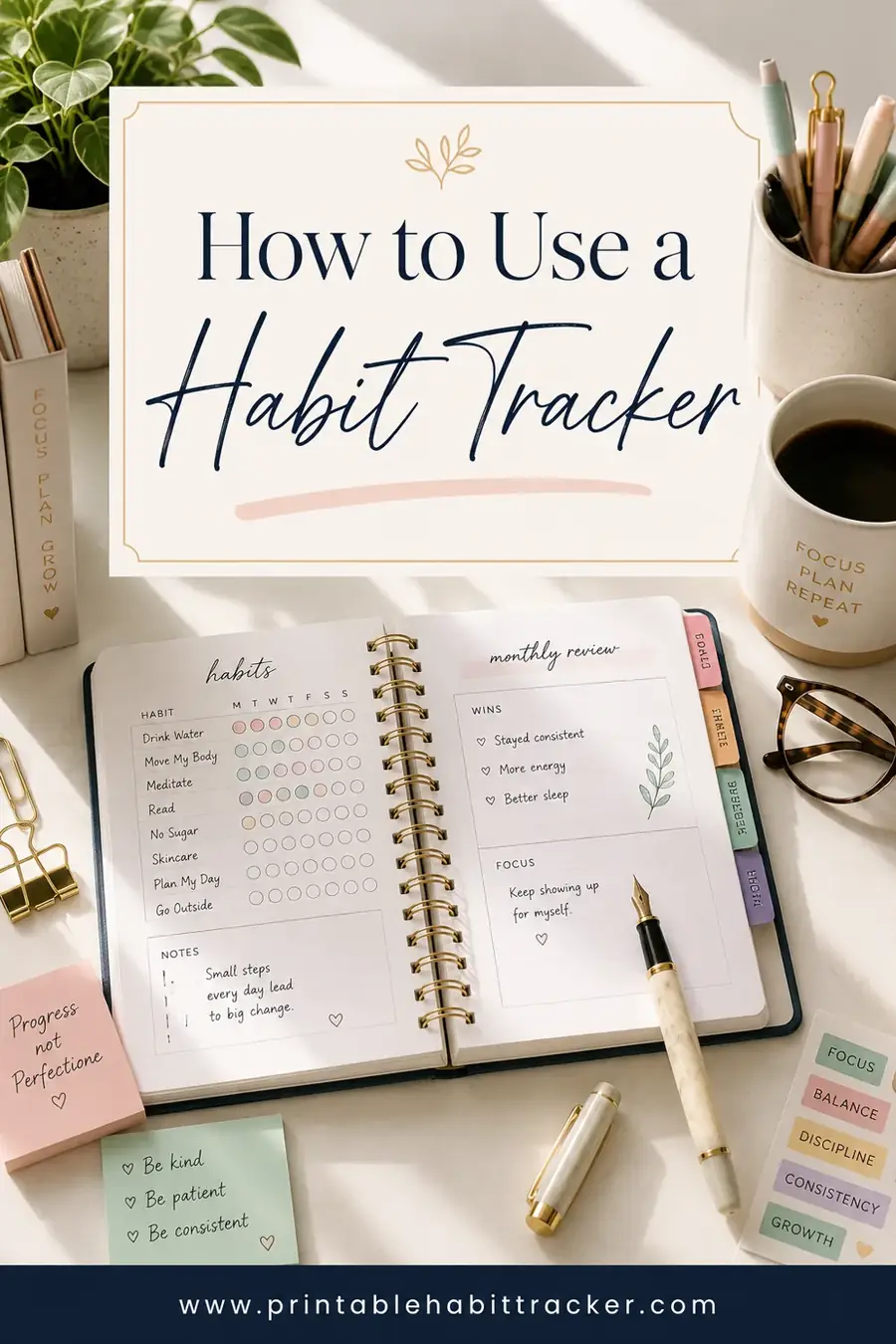
For most people, paper wins on consistency and apps win on convenience. Paper habit tracking is cheap, distraction-free, and the simple act of filling in a box by hand keeps you engaged. Apps shine when you need reminders, automatic streak counting, and tracking across multiple devices. The best choice is the one you'll actually open every day, and for a surprising number of folks, that's a printed sheet stuck to the fridge.
If you want to test the paper side without buying anything, build a free printable habit tracker in under a minute, print it, and try it for a week. No app to download, no account to make. You can always switch later if it isn't sticking.
The Short Answer: It Depends on Your Brain
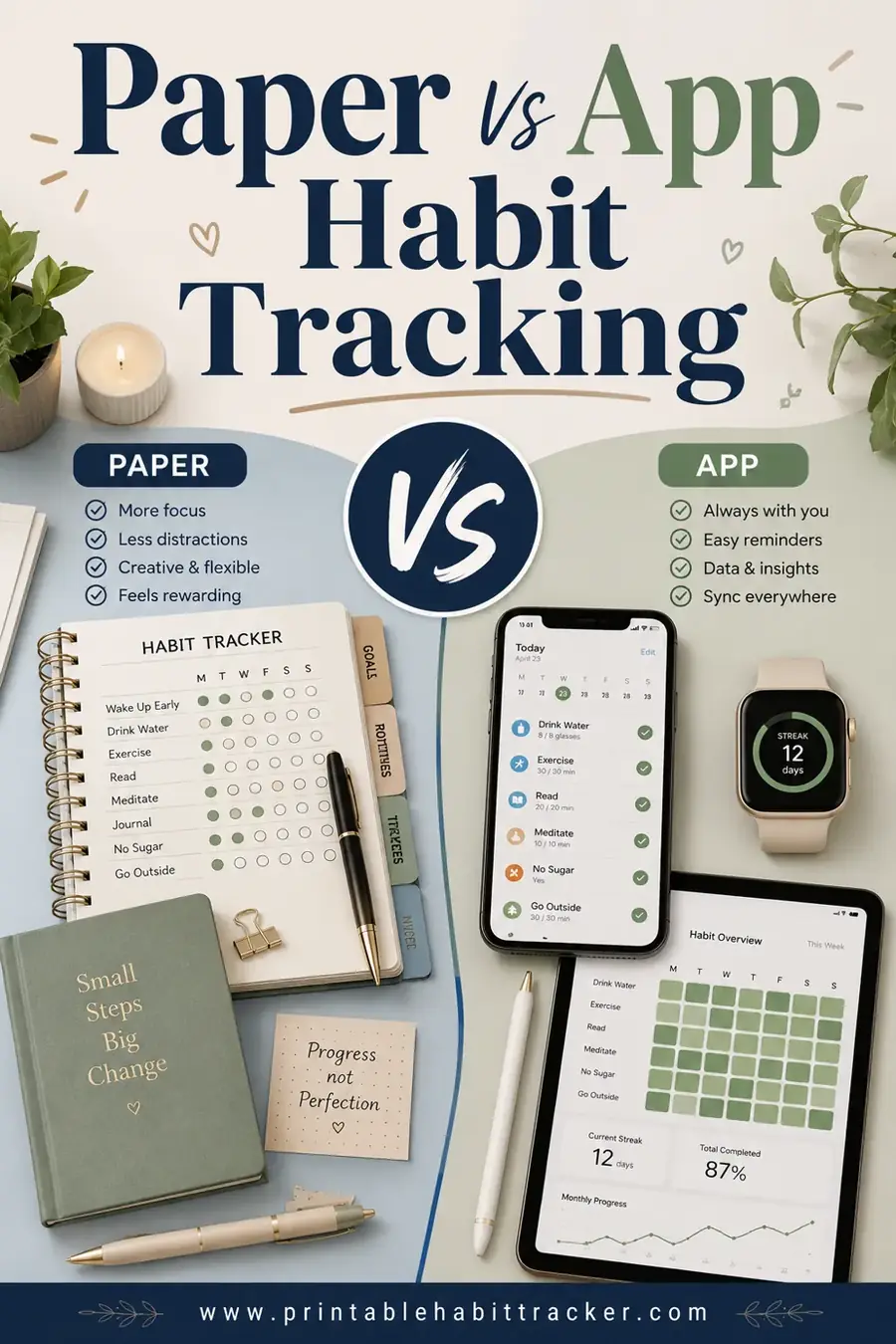
There's no universal winner here, and anyone who tells you "apps are always better" is selling something. What matters is which method survives contact with your real, messy life.
Paper tends to win if you:
- Get distracted easily by your phone
- Like the feeling of physically marking something off
- Want zero setup and zero subscriptions
- Track a handful of habits, not dozens
Apps tend to win if you:
- Forget unless something buzzes at you
- Track habits at random times throughout the day
- Want streaks, stats, and charts done for you
- Already live in your phone anyway
Most people fall somewhere in the middle. That's why plenty of folks use both, and we'll get to that combo later.
Cost: Free Either Way (Mostly)
Paper is the clear winner on cost. A printable tracker costs you nothing but a sheet of paper and a little ink. You can make one for free and reprint it every month forever.
Habit apps split into two camps. Plenty are free with basic features, but the good ones usually push a subscription once you want more than three habits, detailed stats, or reminders. Those fees add up over a year.
| Factor | Paper tracker | Habit app |
|---|---|---|
| Upfront cost | Free (paper + ink) | Free to download |
| Ongoing cost | Pennies per print | Often $3–$10/month for full features |
| Hidden limits | None | Habit caps, locked stats, ads |
| Lasts forever | Yes, just reprint | Until you cancel or it shuts down |
If you're trying to build habits without spending money, paper is hard to beat.
Convenience and Reminders: Apps Pull Ahead
This is where apps earn their keep. A phone notification at 7 a.m. that says "Drink water" is a real nudge that paper simply can't give you. If your problem is forgetting, not motivation, an app might solve it overnight.
Apps also travel with you. You can check off "took my vitamins" while standing in line at the store, no sheet required. For habits that happen out in the world, that's genuinely useful.
Paper's answer is placement. Stick your tracker somewhere you can't miss it: the bathroom mirror, the fridge, your desk. A sheet you see twenty times a day becomes its own reminder. It won't buzz, but it's always in view.
When reminders matter most
- New habits. Early on, before the routine sticks, a nudge helps a lot.
- Time-specific habits. Medication, stretching breaks, a 3 p.m. walk.
- Habits you genuinely keep forgetting. If you've failed three times, add a reminder.
Engagement: Why Paper Keeps People Hooked
Here's the part that surprises people. Filling in a box by hand is more satisfying than tapping a screen, and that small hit of satisfaction is what keeps you coming back.
When you color in a square or draw a big X, you slow down for a second. You see the row of marks building up. That visible streak, sitting right in front of you, is a quiet little reward. Apps show streaks too, but a number on a screen doesn't land the same way as a page filling up with your own handwriting.
There's also the no-distraction factor. Open an app to log a habit and you're one notification away from twenty minutes on social media. A paper tracker can't pull you into a doom-scroll. You mark your box and walk away.
Streaks, Stats, and the Big Picture
Apps automate the math. They count your longest streak, show completion percentages, and draw tidy charts of your progress. If you love data, that's a real perk, and it can be motivating to watch a graph climb.
Paper makes you do the counting, but that's not always a downside. Glancing at a month grid and seeing fifteen filled boxes and six blanks tells you everything in one look. No menus, no taps. The whole month is visible at once, which is something most apps can't show on a small screen.
A simple trick: at the end of each week, jot your total in the margin. "5/7 done." You get the satisfaction of stats without any app at all.
Flexibility: Customize It Your Way
Paper is endlessly flexible. Want to track water, sleep, reading, and "no phone before bed" on one sheet? Done. Want a doodle of how you felt that day? Add it. Want to switch your habits mid-month? Just print a new one. A printable habit tracker bends to whatever you need.
Apps are flexible too, but only within the boxes the developer built. You're stuck with their categories, their layout, their idea of a "good" habit. If your habit doesn't fit their template, tough luck.
That said, apps handle complex tracking better. Logging how many ounces of water, exact sleep hours, or a 1-to-5 mood rating is easier when an app does the tallying. For simple yes/no habits, paper is plenty.
The Best of Both: Use a Hybrid System
You don't have to pick a side. A lot of people who stick with their habits long-term use both methods together, each for what it does best.
A simple hybrid setup:
- Paper for the daily ritual. Keep a printed tracker where you see it. The morning check-off becomes part of your routine.
- App for reminders only. Set a couple of phone alarms or notifications for the habits you forget. Don't bother logging in the app, just use the nudge.
- Weekly review on paper. Sunday night, look at your sheet, count your wins, and print next week's.
This gives you the engagement of paper and the nudges of an app without paying for a subscription or getting sucked into your phone.
A quick decision guide
| Your situation | Best pick |
|---|---|
| You forget constantly | App (for reminders) or hybrid |
| You get distracted by your phone | Paper |
| You want it free forever | Paper |
| You track detailed numbers | App |
| You love checking boxes by hand | Paper |
| You're always on the go | App or hybrid |
| You're just getting started | Paper (lowest friction) |
What the Research-Minded Folks Tend to Find
You don't have to take anyone's word on which method "should" win. Pay attention to your own behavior over a couple of weeks and let that decide. A few patterns show up again and again for people who've tried both.
People who quit apps usually quit during setup or right after the novelty wears off. The first week is exciting, then the notifications start feeling like nagging, and one day you swipe them away without logging anything. From there it's a fast slide to deleting the app.
People who quit paper usually quit because the sheet wandered off. It fell behind the desk, got buried under mail, or they printed it and never put it somewhere visible. Paper only works if it's in your face.
So the real question isn't "which is better in theory." It's "which failure mode am I more likely to avoid?" If you're disciplined about placement, paper rarely lets you down. If you're disciplined about not ignoring notifications, an app does the job. Be honest about which kind of person you are, and pick accordingly.
One more thing the consistent crowd tends to share: they keep their habit list short. Whether on paper or in an app, tracking three habits well beats tracking ten habits badly. The method matters far less than the size of the list and how visible you keep it.
How to Start with Paper Today
The beauty of paper is there's nothing to wait for. Here's the whole process:
- Pick 1 to 3 habits. Don't overload day one. Start small and add later.
- Make your free printable tracker. Choose your habits, your time frame, and your layout.
- Print it. Regular paper is fine. Cardstock lasts longer if you want it to.
- Stick it where you'll see it. Fridge, mirror, desk, planner.
- Check off every day. Even a bad day gets a mark, so you're honest with yourself.
That's it. You can have a working habit tracker on your wall in the next five minutes, and it costs nothing to try.
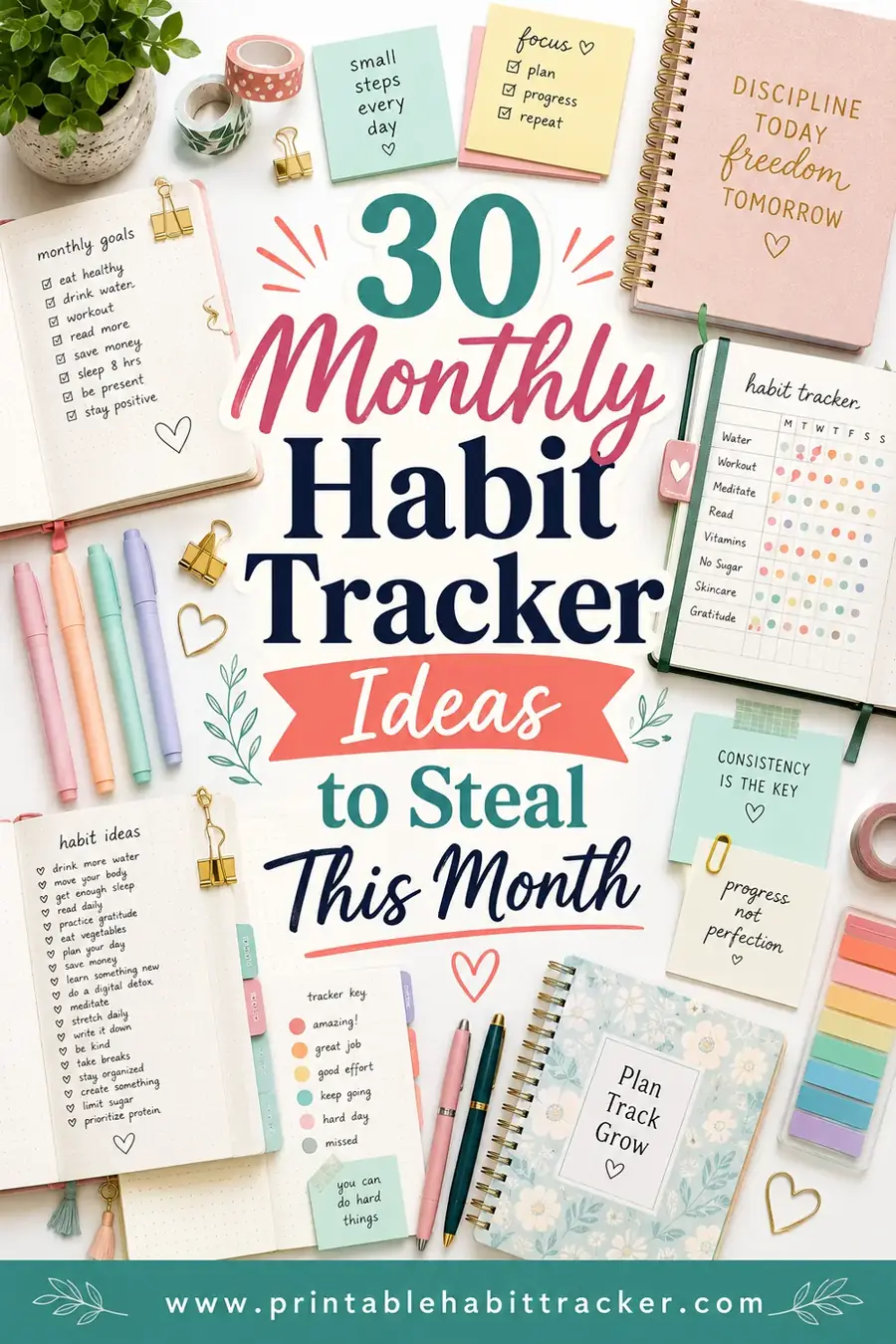
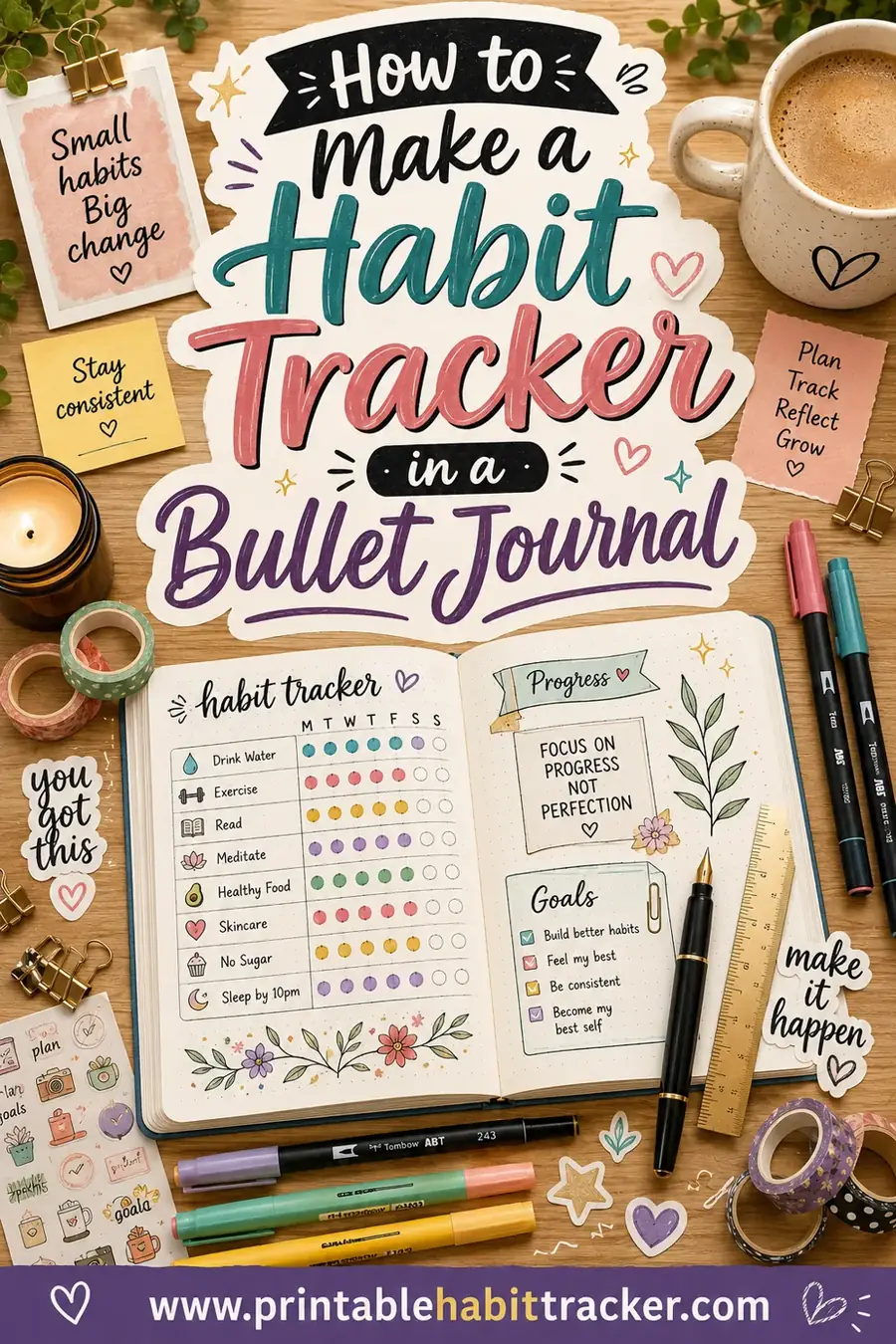
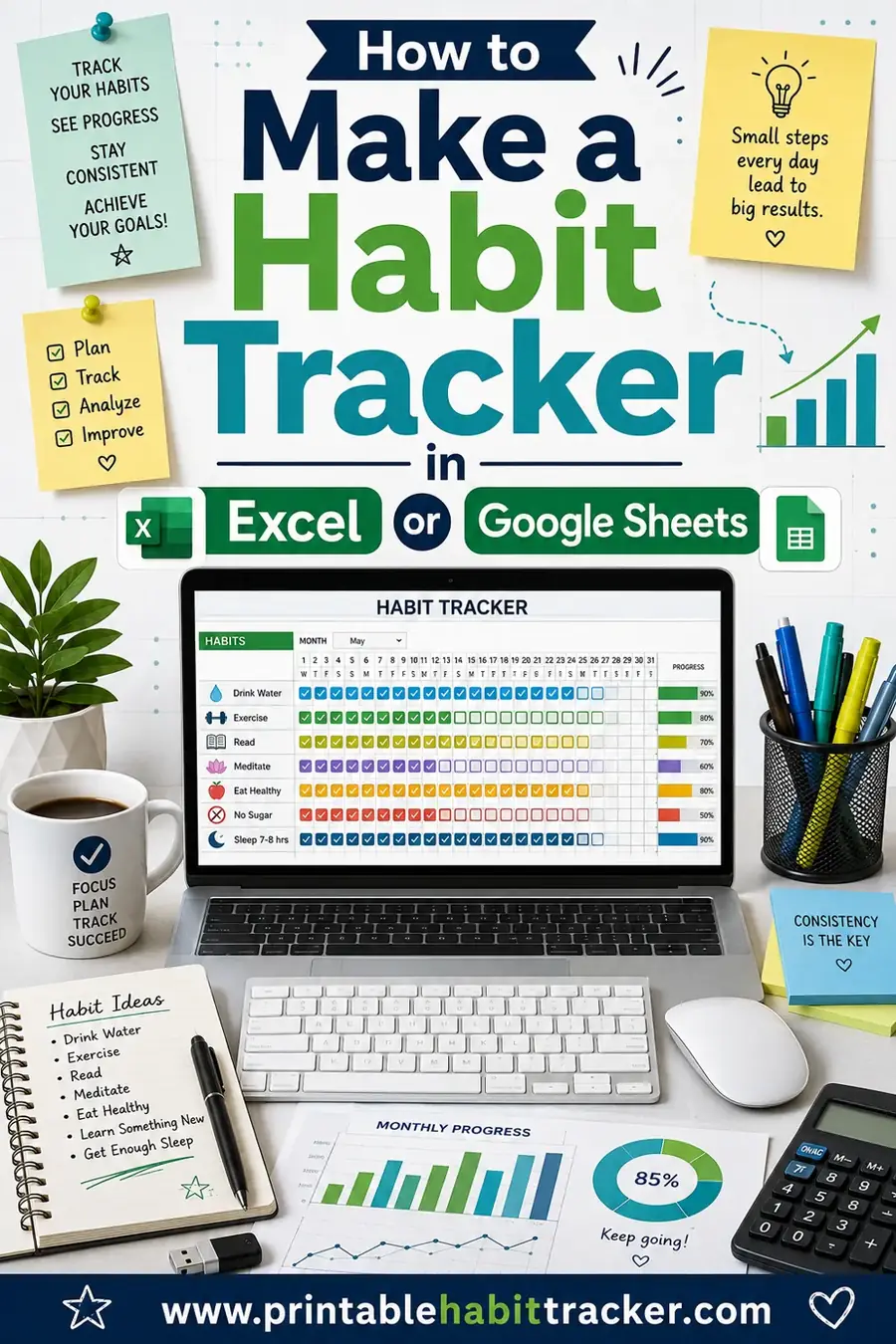
If paper clicks for you, there's more to explore. You can dig into monthly habit tracker ideas for layout inspiration, set one up inside your planner with our bullet journal habit tracker guide, or go digital-but-flexible with a habit tracker in Excel or Sheets.
Frequently Asked Questions
Is paper or app habit tracking better for beginners?
Paper, usually. It has the lowest friction, no setup, and no learning curve. You print a sheet and start the same day. Beginners often quit apps during setup, but a paper tracker on the fridge is impossible to forget about.
Do habit tracking apps actually work?
They can, especially for people who need reminders or track many habits at once. The catch is that apps are easy to ignore once the novelty fades. If notifications keep you on track, an app works well. If you tend to swipe them away, paper may serve you better.
Can I switch from an app to paper without losing progress?
Yes. Your progress lives in your habits, not the tracking method. Just note your current streak, print a fresh tracker, and keep going. Many people switch to paper precisely because their app started feeling like a chore.
Why is paper habit tracking more satisfying?
Marking a box by hand is a small physical reward, and seeing a row of filled boxes build up is genuinely motivating. There's no screen to distract you and the whole month is visible at a glance, which makes your progress feel real and immediate.
Should I use both paper and an app?
A hybrid setup works great for a lot of people. Use paper for the daily check-off and an app purely for reminders on the habits you tend to forget. You get the engagement of paper and the nudges of an app without paying for anything.
How many habits should I track on paper?
Start with one to three. A short list is easier to keep up and far more likely to stick. Once those feel automatic, add another. A printable tracker lets you reprint with new habits any time you're ready to level up.
Ready to Try Paper Habit Tracking?
You've seen both sides. If you've been meaning to build a habit and an app hasn't done the trick, give paper a shot. Open the free printable habit tracker, pick a habit or two, and print your sheet in under a minute. It's free, there's nothing to install, and the only thing standing between you and a filled-in row of boxes is one click. Go check off day one.