How Are You Feeling Today Chart: A Free Feelings Check-In for Kids
A "how are you feeling today" chart is a simple check-in sheet where a child picks the feeling that fits right now, like happy, calm, excited, tired, worried, sad or mad, and marks it. Put the feelings down the side with a face for each one, the days of the week across the top, and let your child tick one box (or two) each day. Below is a free printable feelings chart, kid-friendly words for each feeling, and gentle ideas for home and the classroom.
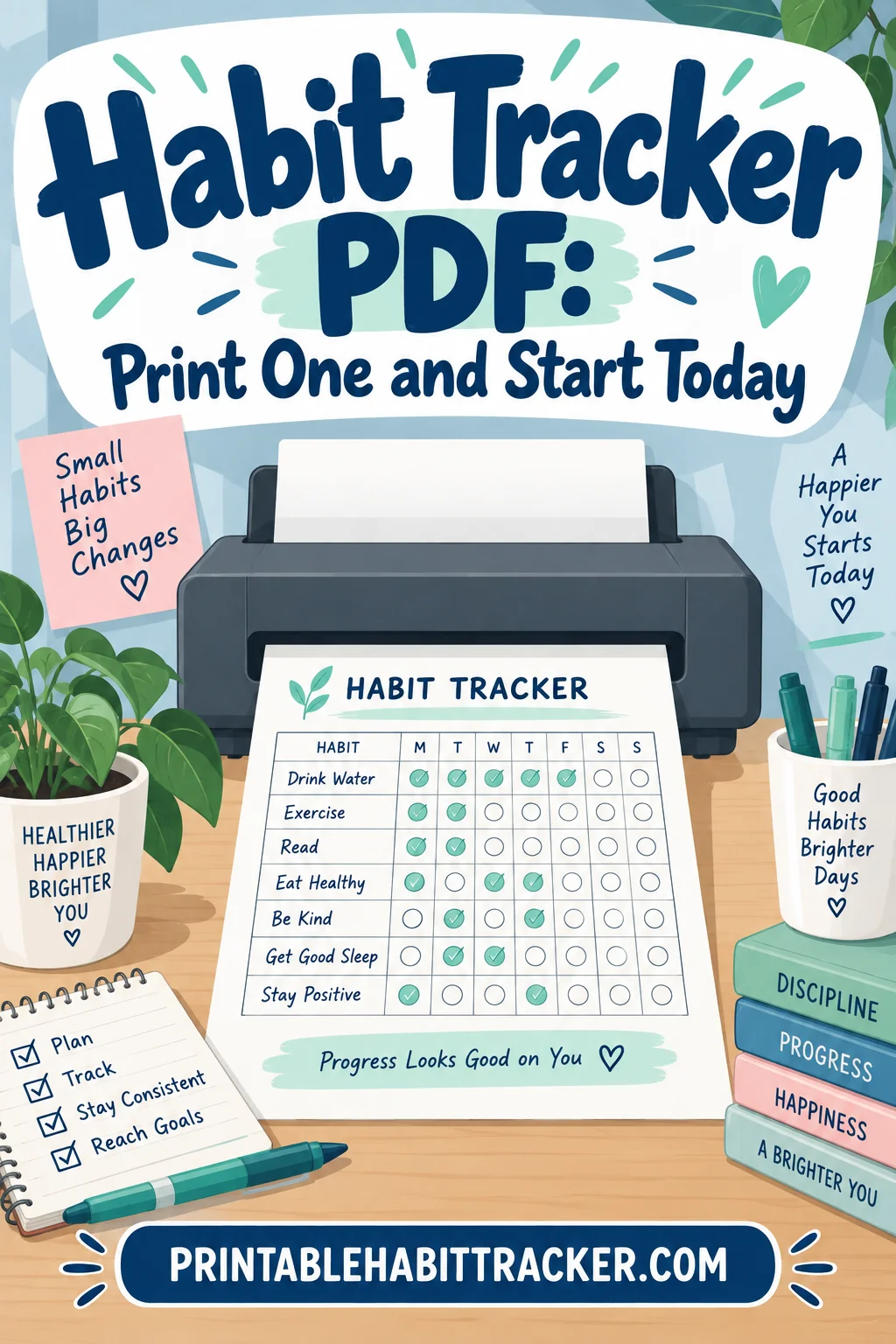
Here's a feelings check-in chart for one week. Tap a box to try it, change the feelings if you like, then print it free:
✅ Try this tracker for one week
Tap a box each day you do the habit. Your ticks stay on this device.
Why a feelings chart helps kids
Feelings are big, and little kids don't always have the words for them yet. A chart gives them a picture and a name to point at. Over time, that helps a child:
- Name what they feel. "I feel worried" is a lot easier to help with than a meltdown.
- Notice that feelings change. A week of check-ins shows that a sad Monday can turn into a happy Wednesday.
- Start a conversation. "I see you picked tired today. What happened?" is an easy opener.
- Learn that every feeling is okay. There are no bad boxes on the chart. All feelings are allowed, even when some actions aren't.
Feelings chart words for kids (with faces)
Start with five or six feelings for preschoolers. Older kids can handle more, and they often enjoy the more exact words.
| Face | Feeling | What it might feel like (in kid words) |
|---|---|---|
| 😀 | Happy | Smiley, light, like I want to play |
| 😌 | Calm | Quiet inside, slow breathing, relaxed |
| 🤩 | Excited | Bouncy, can't wait, full of energy |
| 🥰 | Loved | Warm and safe, like a big hug |
| 😎 | Proud | I did something hard, and I want to show someone |
| 😴 | Tired | Heavy eyes, slow, need a rest |
| 😟 | Worried | Tummy feels funny, lots of "what ifs" |
| 😢 | Sad | Teary, want to be alone or want a hug |
| 😠 | Mad | Hot face, tight fists, want to yell |
| 😕 | Confused | I don't get it, mixed up |
| 😳 | Shy or embarrassed | Want to hide, cheeks feel warm |
| 😤 | Frustrated | I keep trying and it won't work |
The chart above starts with eight of these. You can swap any row in the maker, so a younger child can have four big feelings and an older child can have ten.
How to use a "how are you feeling today" chart at home
- Pick a time. After school, at dinner or at bedtime works well. Same time each day makes it a habit.
- Let your child choose. Point at the faces and ask, "Which one is closest to how you feel?" Don't guess for them.
- It's fine to pick two. Feeling excited and nervous at the same time is very normal.
- Say it back. "You feel tired today. Thanks for telling me." That's often enough.
- Ask one gentle question, if they want to talk: "What made today feel that way?"
- Look back at the end of the week. Notice patterns kindly: "Monday mornings feel hard, huh? What could help?"
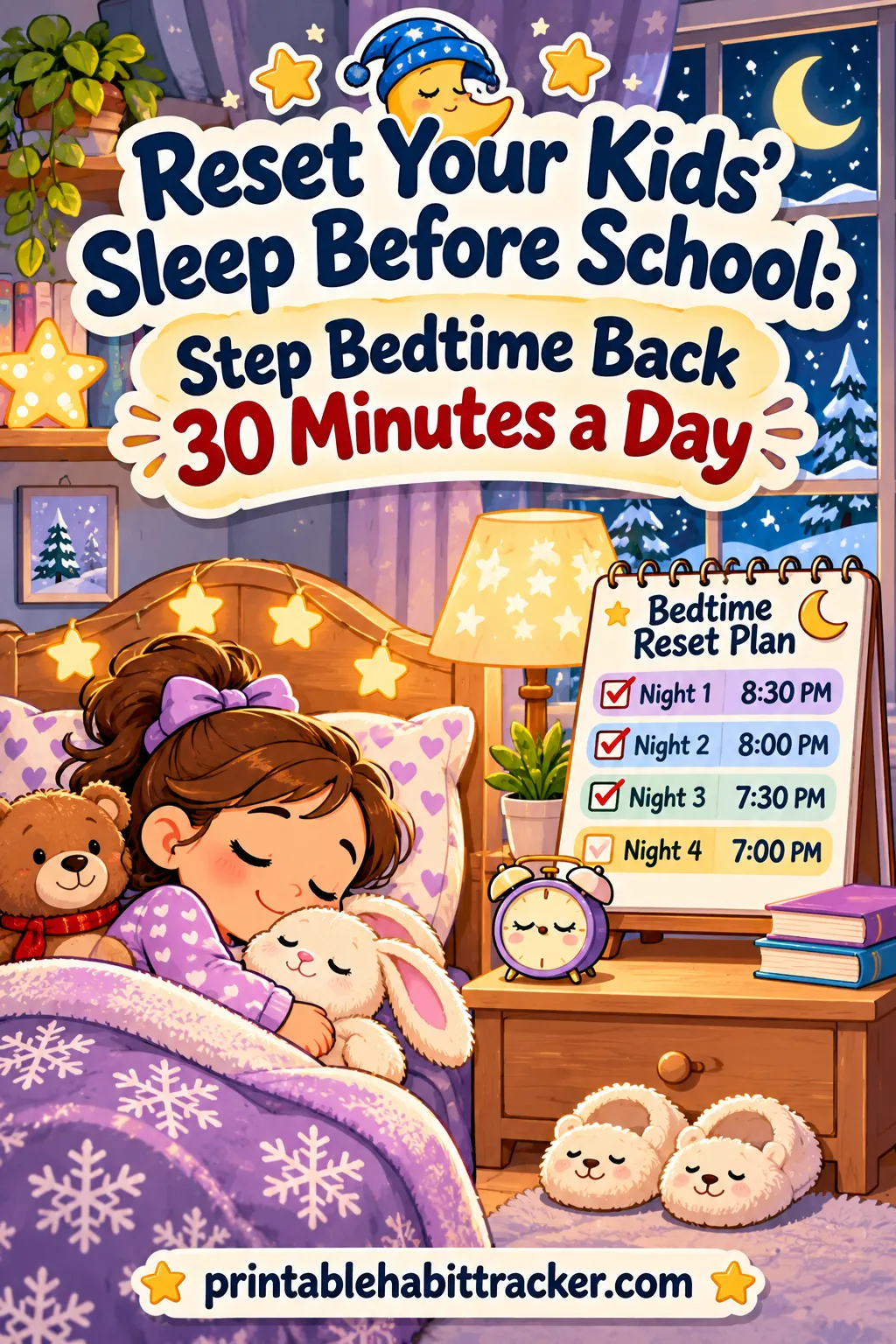
Winter break and the first week back at school can bring big swings. Late nights and a changed routine make everyone a bit more tired and cranky. If that's your house right now, our guide to getting kids' sleep back on track before school may help, too.
Classroom feelings check-in
Many teachers start the day with a quick emotions check-in chart. A few ways to do it:
- Clothespin chart. Each child clips a clothespin with their name next to a feeling face as they come in.
- Private sheet. Each student ticks a box on their own printed chart in a folder. Good for older kids who don't want to share in front of the class.
- Thumbs check. Ask "How's everyone feeling?" and watch for thumbs up, sideways or down. Follow up quietly with anyone who's down.
- Feelings journal. Older students tick a feeling, then write one sentence about it.
Keep it optional to share out loud. The goal is noticing feelings, not putting anyone on the spot.
What to do with each feeling: calm-down ideas
| If your child feels... | Things that can help |
|---|---|
| Mad or frustrated | Take five slow "smell the flower, blow out the candle" breaths, squeeze a pillow, take a break and come back |
| Worried | Talk about the worry out loud, make a small plan, hug a stuffed animal, draw the worry and fold it up |
| Sad | A hug, a cozy blanket, a favorite book, some quiet time together |
| Tired | A snack, a rest, a quieter evening, an earlier bedtime |
| Excited | Jump it out, then a slow breath before a calm activity |
| Happy, calm, proud or loved | Notice it together: "What helped today feel good?" |
Talk to a grown-up you trust
Here's a line worth printing right on the chart for kids: "Big feelings are okay. If a feeling sticks around or feels too big, talk to a grown-up you trust." That might be a parent, a grandparent, a teacher or the school counselor.
For parents: a feelings chart is a simple way to check in, not a test, and one hard week is normal. If you notice that a worried, sad or mad feeling is lasting a long time, or getting in the way of sleep, school or friends, it's a good idea to talk with your child's pediatrician or school counselor. They can help you sort out what's going on.
Feelings chart vs mood tracker
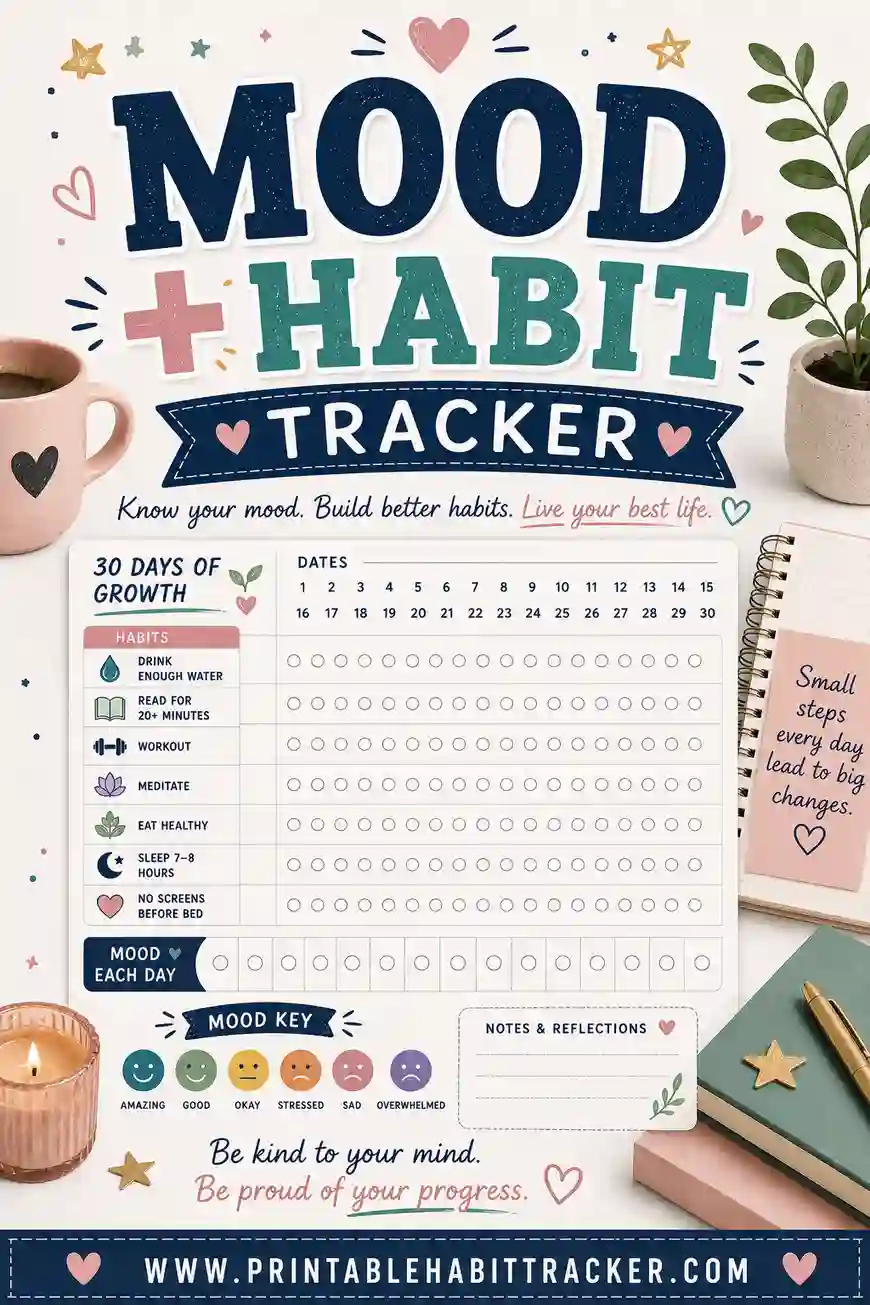
A feelings chart for kids uses a few big faces and one tick a day, so it's quick and easy to read. Adults and older teens often prefer a mood tracker with a color for each day and space to note sleep or exercise. If that's you, our mood and habit tracker is set up for grown-ups.
Tips that make a feelings chart work
- Put it where your child can reach it, like the fridge door or a bedroom wall at kid height.
- Model it. Share your own feeling now and then: "I feel a little tired today, so I'm going to rest after dinner."
- Never use it as a punishment or a behavior chart. No feeling is "wrong."
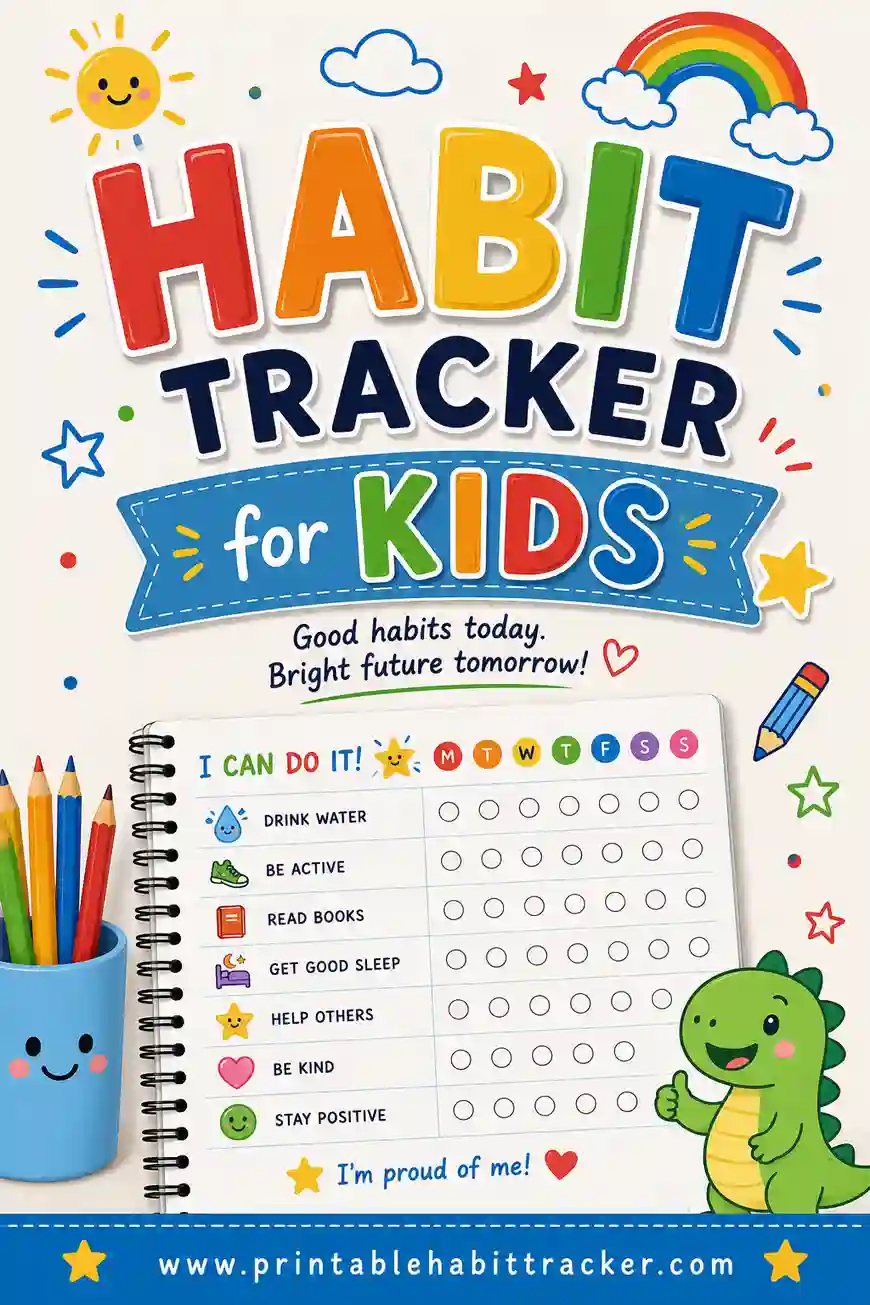
- Pair it with a routine. Check-in right after hanging up the backpack works well. Our habit tracker for kids shows how to build small daily routines.
- Celebrate the habit, not the feelings. "You checked in every day this week!" is the win.
How to print your feelings chart
- Open the free habit tracker maker with the button above. It opens with the eight feelings and the weekly layout.
- Change the title to your child's name, like "How Is Maya Feeling Today?"
- Add, remove or change feelings (up to 10 rows).
- Pick the color-in style for little kids or check boxes for older ones.
- Print one per week, or slip it in a sheet protector and use a dry-erase marker.
Print a fresh chart on Sunday night, and Monday's check-in is ready to go. Open the free maker to make yours.
Frequently Asked Questions
What is a how are you feeling today chart?
It's a simple check-in sheet with feeling faces, like happy, calm, tired, worried, sad and mad. A child picks the feeling that fits and ticks it for that day, which helps them put words to feelings and start a conversation.
What feelings should be on a feelings chart for kids?
Start with five or six for little kids: happy, calm, excited, tired, worried and sad. Add mad, proud, loved, confused or frustrated as they get older. Every feeling on the chart is okay to pick.
How do teachers use an emotions check-in chart?
Many teachers start the day with a quick check-in: kids clip a clothespin next to a feeling face or tick a box on a private chart. Sharing out loud stays optional, and the teacher follows up quietly with anyone who seems down.
What should I do if my child picks sad or worried a lot?
Thank them for telling you, listen, and ask what's going on. One hard week is normal. If a feeling lasts a long time or gets in the way of sleep, school or friends, talk with your child's pediatrician or school counselor.
Can I print a feelings chart for free?
Yes. Open our free habit tracker maker with the button on this page, change the feelings or title, and print it or save it as a PDF. No sign-up needed.