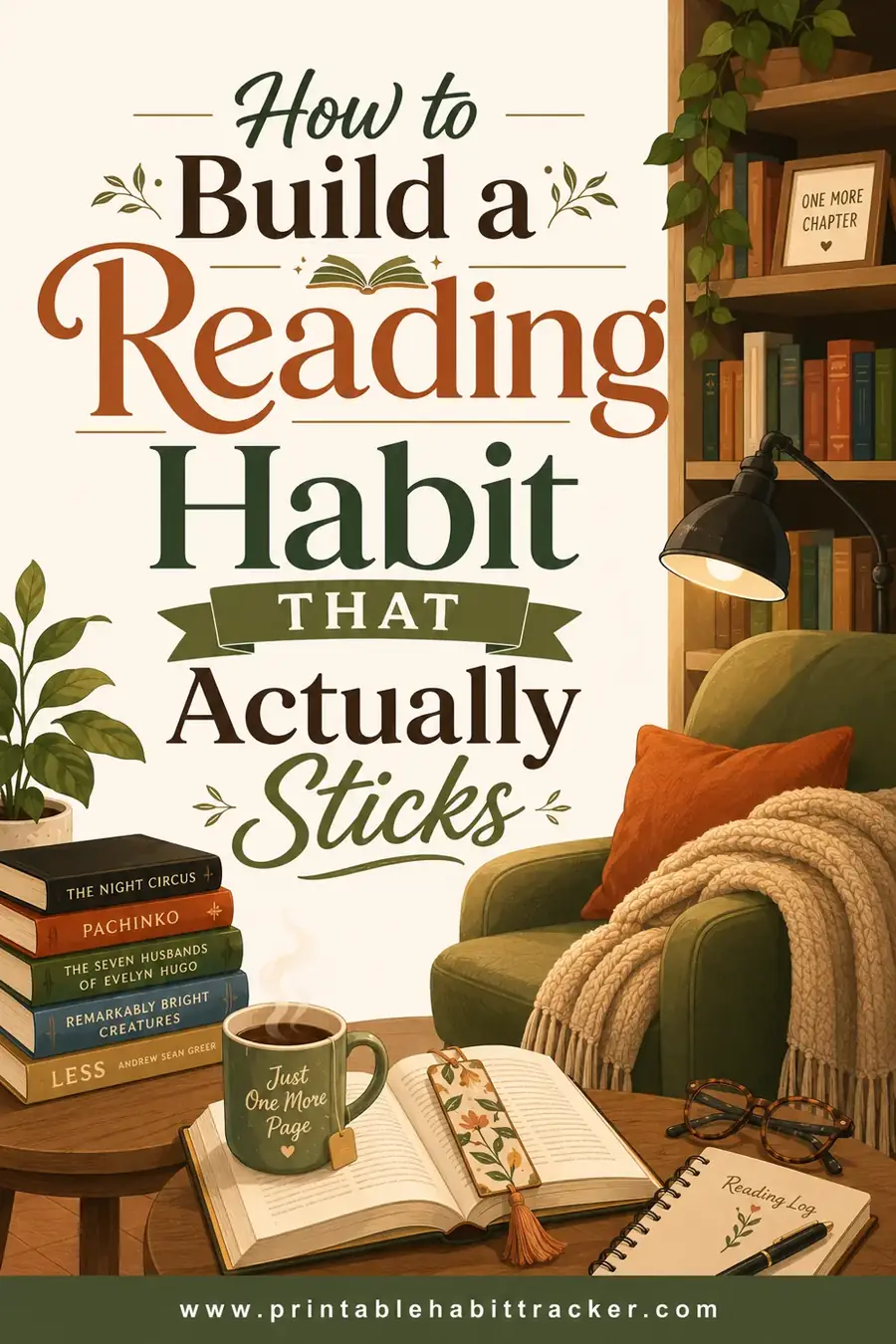
How to Build a Reading Habit That Actually Sticks
To build a reading habit that sticks, start absurdly small — ten pages or ten minutes a day — attach it to something you already do, and track every single day so you can see the streak grow. The secret isn't reading more; it's reading a little, every day, until it feels automatic. The easiest way to stay honest is a free printable habit tracker where you check off a box for each day you read.
Want to start today? Open the free habit tracker, add a row called "Read 10 pages," and print it. Tape it inside the cover of your current book or stick it on your nightstand. The rest of this guide shows you exactly how to keep that streak alive.
Start Smaller Than Feels Reasonable
Most reading goals die because they're too big. "I'll read for an hour every night" sounds great in January and collapses by February. An hour is a lot when you're tired, and one missed night feels like failure.
Flip it. Set a goal so small you can't say no: ten pages, or even one page on a rough day. Ten pages takes about ten minutes and fits into almost any evening. The point isn't to read a lot today — it's to read something every day so the habit takes root.
Here's the magic: most nights you'll read more than ten pages once you start. But on the bad nights, ten pages keeps the streak alive. And the streak is what builds the habit.
Anchor Reading to Something You Already Do
A habit needs a trigger — a reliable cue that says "now." The strongest trigger is an existing routine you never skip. This is called habit stacking, and it works because you're borrowing the reliability of a habit you already have.
Try one of these anchors:
- After I get into bed, I read 10 pages.
- After I pour my morning coffee, I read for 10 minutes.
- After I sit down on the train, I open my book.
- After dinner, before I touch the TV remote, I read a chapter.
Pick one anchor and stick to it. A reading habit with a fixed time and place is dramatically more likely to survive than a vague "I'll read more this year."
Choose the Right Time of Day
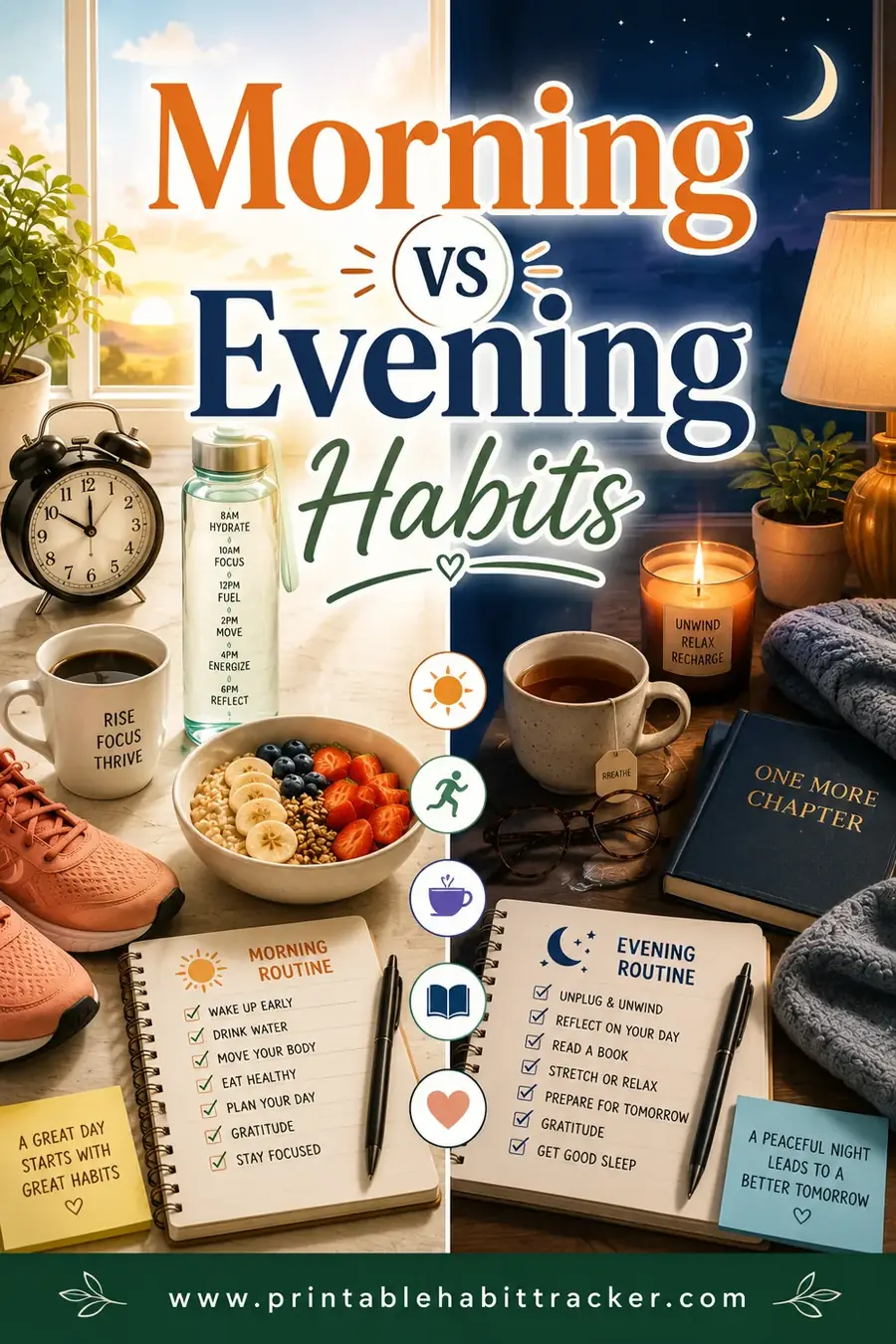
When you read matters more than people think. Morning reading is calm and focused but competes with the rush to get out the door. Evening reading is a natural wind-down but competes with screens and exhaustion.
| Time | Why it works | Watch out for |
|---|---|---|
| First thing in the morning | Quiet, focused, sets a good tone | Easy to skip when running late |
| Lunch break | A built-in pause in the day | Noisy environments |
| Commute | Otherwise dead time | Only works if you're not driving |
| Before bed | Natural wind-down, helps sleep | Falling asleep, phone temptation |
There's no single right answer. If you're not sure which slot fits you, our guide on morning vs evening habits breaks down the trade-offs in detail. The best time is simply the one you'll actually keep.
Track Every Day (This Is the Part That Works)
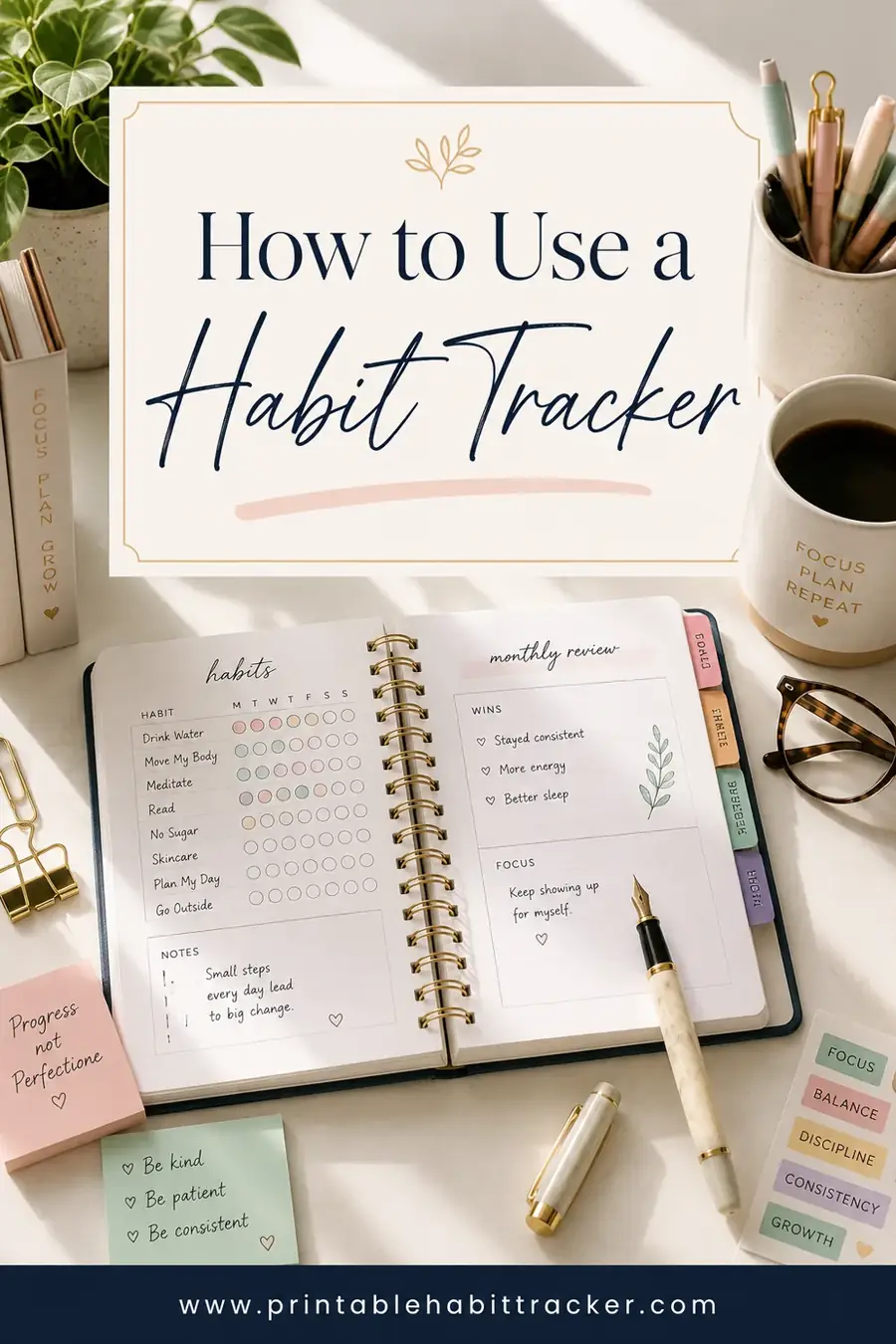
Reading apps are fine, but a printed tracker on your nightstand beats them for one reason: you see it. An app is buried behind a lock screen full of distractions. A paper chart is right there, with an empty box quietly asking to be filled.
Checking the box does three things:
- It rewards you. That little check mark releases a tiny hit of satisfaction. Your brain starts to crave it.
- It builds a visible streak. A row of checks is hard to break. "Don't break the chain" is one of the oldest, most effective habit tricks there is.
- It shows you the truth. At a glance, you can see whether you've actually been reading or just telling yourself you have.
Set up your row in the free printable habit tracker — label it with your goal ("Read 10 pages" or "Read 15 minutes") — and print a fresh sheet each week or month.
Make the Book Impossible to Avoid
Friction is the enemy of any habit. If your book is in another room, in a bag, or buried under mail, you'll skip it. So remove every excuse.
- Leave the book on your pillow so you literally have to move it before bed — and you might as well read first.
- Keep a book in every spot you wait: your bag, the car door pocket, the kitchen counter.
- Use an e-reader for travel so a whole library fits in your pocket.
- Put the phone across the room. The phone is the single biggest reason reading habits fail. Charge it somewhere else.
The easier it is to start, the more often you'll start. Design your environment so reading is the path of least resistance.
Pick Books You Actually Want to Read
This sounds obvious, but plenty of new readers sabotage themselves by choosing books they think they should read instead of books they want to read. A dense classic you're slogging through will kill your habit faster than anything.
In the early weeks, momentum matters more than prestige. Read the fun thriller. Read the page-turner. Read the silly memoir. Once reading is automatic, you can stretch into harder books. And give yourself permission to quit a book you're not enjoying — forcing it just teaches your brain that reading is a chore.
A Sample First Week
Here's what your tracker might look like after seven days of starting small.
| Day | Goal | Done? | Pages read |
|---|---|---|---|
| Monday | 10 pages | ✅ | 14 |
| Tuesday | 10 pages | ✅ | 10 |
| Wednesday | 10 pages | ✅ | 22 |
| Thursday | 10 pages | ✅ | 10 |
| Friday | 10 pages | 0 (busy night) | |
| Saturday | 10 pages | ✅ | 31 |
| Sunday | 10 pages | ✅ | 18 |
Six out of seven days, and well over a hundred pages — built entirely on a "just ten pages" goal. Notice Friday's miss didn't blow up the week. That's the whole point of the next section.
Never Miss Twice
You will miss a day. Everyone does. A late night, a sick kid, a flat-out exhausting day — life happens. The rule that protects a habit isn't "never miss." It's "never miss twice."
One missed day is a blip. Two missed days in a row is how habits quietly die. So when you skip a day, the only job is to read the next day, even if it's just one page. Don't try to "make up" the pages and don't beat yourself up. Just fill in the next box.
This single rule will carry your reading habit through the rough patches that end most people's good intentions.
Build a Reading Environment
Willpower is overrated; environment is everything. The readers who finish dozens of books a year aren't more disciplined than you — they've just arranged their lives so reading is the easy choice and scrolling is the harder one. You can copy that setup.
Start by giving books physical presence. A visible stack on the coffee table, a shelf by your favorite chair, a book left open face-down on the arm of the couch — these are silent invitations. Out of sight really is out of mind, so keep your current book in plain view.
Next, dim the competition. The phone is reading's biggest rival, so put friction between you and it: charge it in another room, turn on grayscale, delete the worst time-sink apps from your home screen. Every second of friction you add to scrolling is a second that nudges you toward the book instead.
Finally, build a cozy cue. A specific chair, a particular mug of tea, a reading lamp you only switch on for books — these become signals that tell your brain "it's reading time now." Over a few weeks, just sitting in that chair will make you want to pick up the book. That's the environment doing the work so your willpower doesn't have to.
Don't Confuse Reading More With Reading Faster
A trap new readers fall into is treating reading like a race — chasing a big yearly number and feeling behind if they're "only" on book three. That pressure turns a pleasure into a performance, and performances are easy to quit.
The goal of a reading habit isn't volume; it's consistency. A person who reads ten quiet minutes every night will, over a year, read more than someone who binges occasionally and then burns out. Slow and steady genuinely wins here. Let the page count take care of itself and focus only on the streak — the unbroken row of checks that proves you showed up. The books will add up on their own.
Keep the Habit Growing
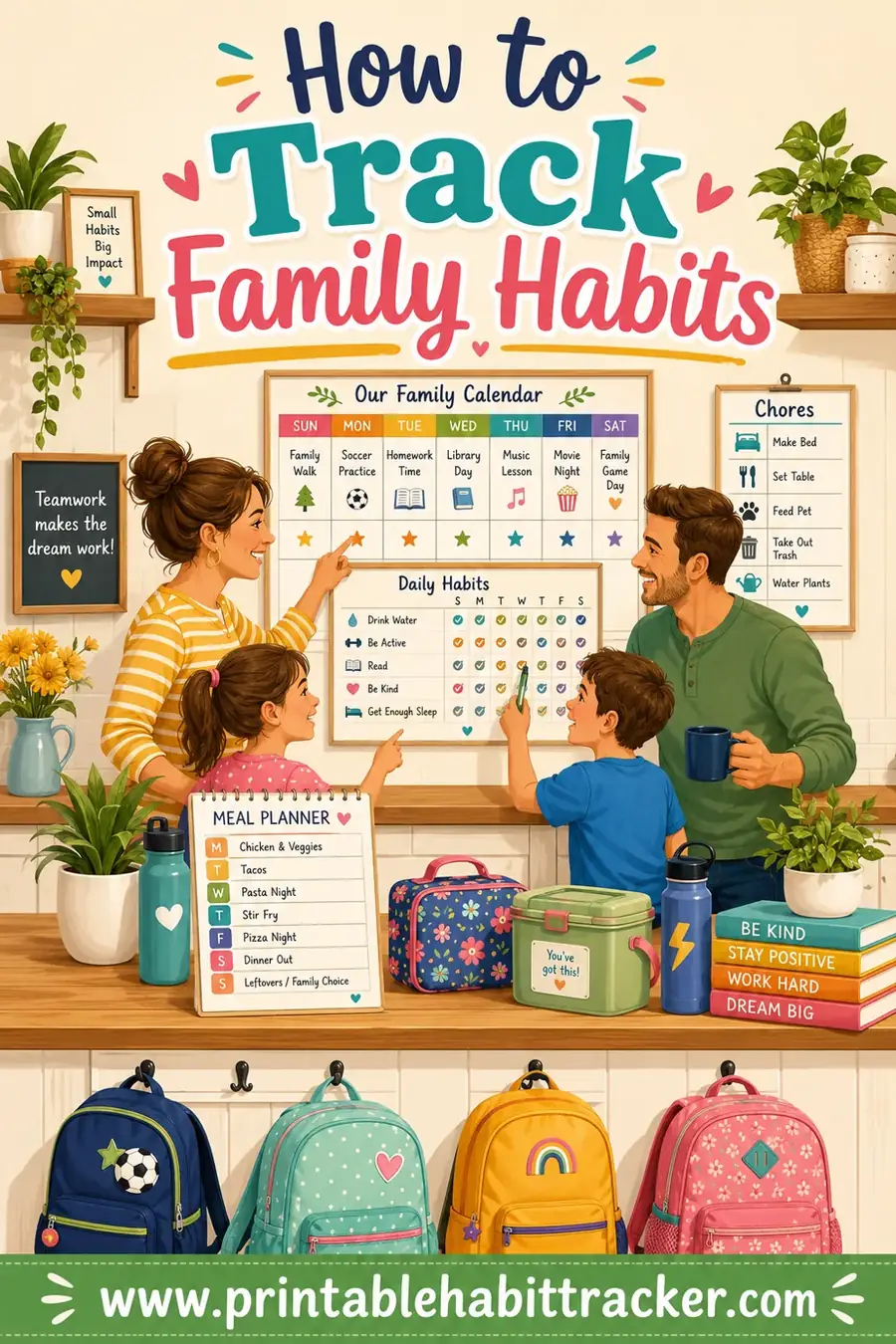
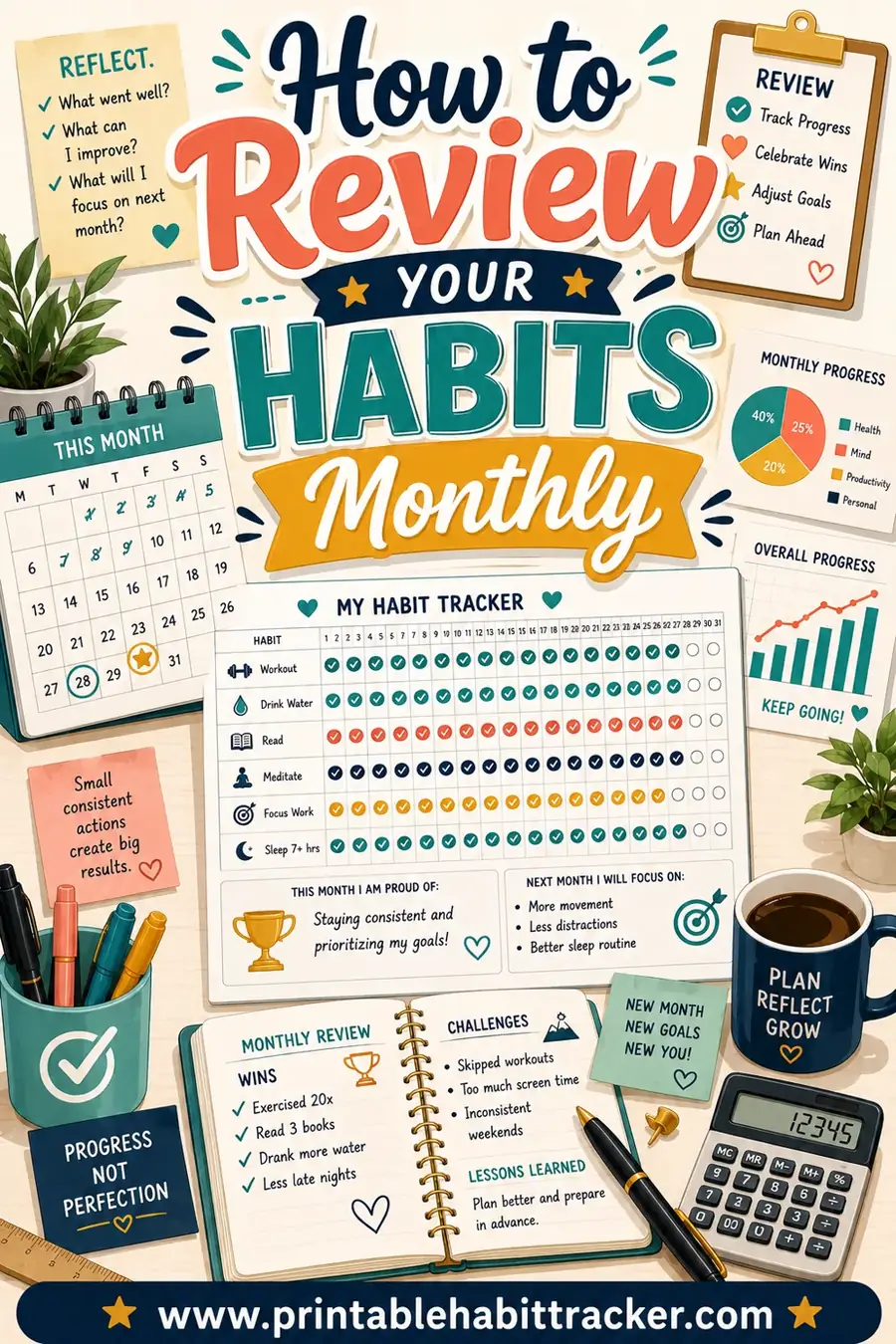
Once your reading habit is solid, you can fold it into a bigger routine. If you've got kids, how to track family habits shows you how to get the whole house reading on one shared chart. And at the end of each month, how to review your habits monthly helps you see how far you've come and decide whether to bump your daily goal up.
Frequently Asked Questions
How long does it take to build a reading habit?
There's no fixed number, but most people find daily reading starts to feel automatic within three to four weeks of consistent practice. The key is consistency, not intensity — reading ten pages every day builds the habit far faster than reading for two hours once a week.
How many pages should I read a day to build the habit?
Start with ten pages, or even one page on a hard day. A goal this small is almost impossible to skip, which keeps your streak alive. Most nights you'll naturally read more once you've started, but the tiny floor is what protects the habit.
What's the best time of day to read?
Whatever time you'll actually keep. Morning reading is calm and focused; evening reading is a natural wind-down before sleep. Anchor it to something you already do daily, like your morning coffee or getting into bed, so there's a reliable cue to start.
Why do I keep failing to read consistently?
Usually it's one of three things: your goal is too big, your book isn't easy to reach, or your phone is winning. Shrink the goal, leave the book on your pillow, and charge your phone in another room. Then track each day so the streak motivates you.
How does a printable tracker help with reading?
A printed tracker sits in plain sight on your nightstand, so the empty box reminds you to read and the row of checks builds a streak you won't want to break. Unlike an app, it isn't buried behind a screen full of distractions. Build one free in the printable habit tracker.
Ready to Start Your Reading Streak?
Pick a tiny daily goal, choose an anchor time, and open the free printable habit tracker to make a "Read 10 pages" row. Print it, tape it to your nightstand, and check off your first box tonight. It's free, there's no sign-up, and one small box a day is all it takes to turn reading into a habit that lasts.