How to Build an Exercise Habit You'll Keep
To build an exercise habit that lasts, start with a workout so small you can't talk yourself out of it, do it at the same time every day, and check off a box each time so the streak keeps you going. Most people fail because they start too hard and burn out — the fix is to make the habit tiny first and grow it later. The simplest way to stay consistent is a free printable habit tracker where you mark each day you move.
Want to start now? Open the free habit tracker, add a row like "Move for 15 minutes," and print it. Stick it on the fridge or by your gym shoes. The rest of this guide shows you how to make that habit unbreakable.
Start Way Smaller Than You Think
The most common reason exercise habits fail is starting too big. "I'll go to the gym for an hour, five days a week" is a recipe for soreness, dread, and quitting by week two. Your body isn't ready and, more importantly, the habit isn't built yet.
Instead, start with a version so small it feels almost silly. A 10-minute walk. Five push-ups. One yoga video. The goal in the first few weeks is not fitness — it's showing up. You're teaching your brain that "exercise time" arrives every day and gets done.
This is the counterintuitive part: making the habit easy is how you make it permanent. Once moving every day is automatic, adding intensity is easy. Skip the "automatic" step and you're just relying on motivation, which always runs out.
Lower the Bar to "Just Show Up"
Some days you won't feel like exercising. That's guaranteed. The trick is a backup goal so small you'll do it even on your worst day.
Set two targets for each workout:
- Your real goal — the full 30-minute session you're aiming for.
- Your minimum goal — the tiny version that still counts. Put on your shoes and walk to the end of the street. Do two push-ups. Stretch for three minutes.
On good days you hit the real goal. On bad days you hit the minimum — and you still check the box, still keep the streak, still reinforce the identity of "someone who exercises daily." Showing up for two minutes beats skipping entirely, every time.
Pick a Time and Protect It
Exercise that doesn't have a set time gets pushed to "later," and "later" becomes "never." Lock in a specific slot and treat it like an appointment.
Morning workouts have a real edge: your willpower is fresh, nothing's come up yet, and once it's done it can't be bumped by a late meeting or a tiring day. But mornings aren't for everyone. A lunchtime walk or an after-work session can work just as well if that's when you'll actually do it.
| Time slot | Strengths | Watch out for |
|---|---|---|
| Early morning | Fresh willpower, can't be bumped | Requires waking earlier |
| Lunch break | A real midday reset | Needs a shower setup |
| After work | Burns off stress | Easy to skip when tired |
| Evening | Quiet, flexible | Can disrupt sleep if intense |
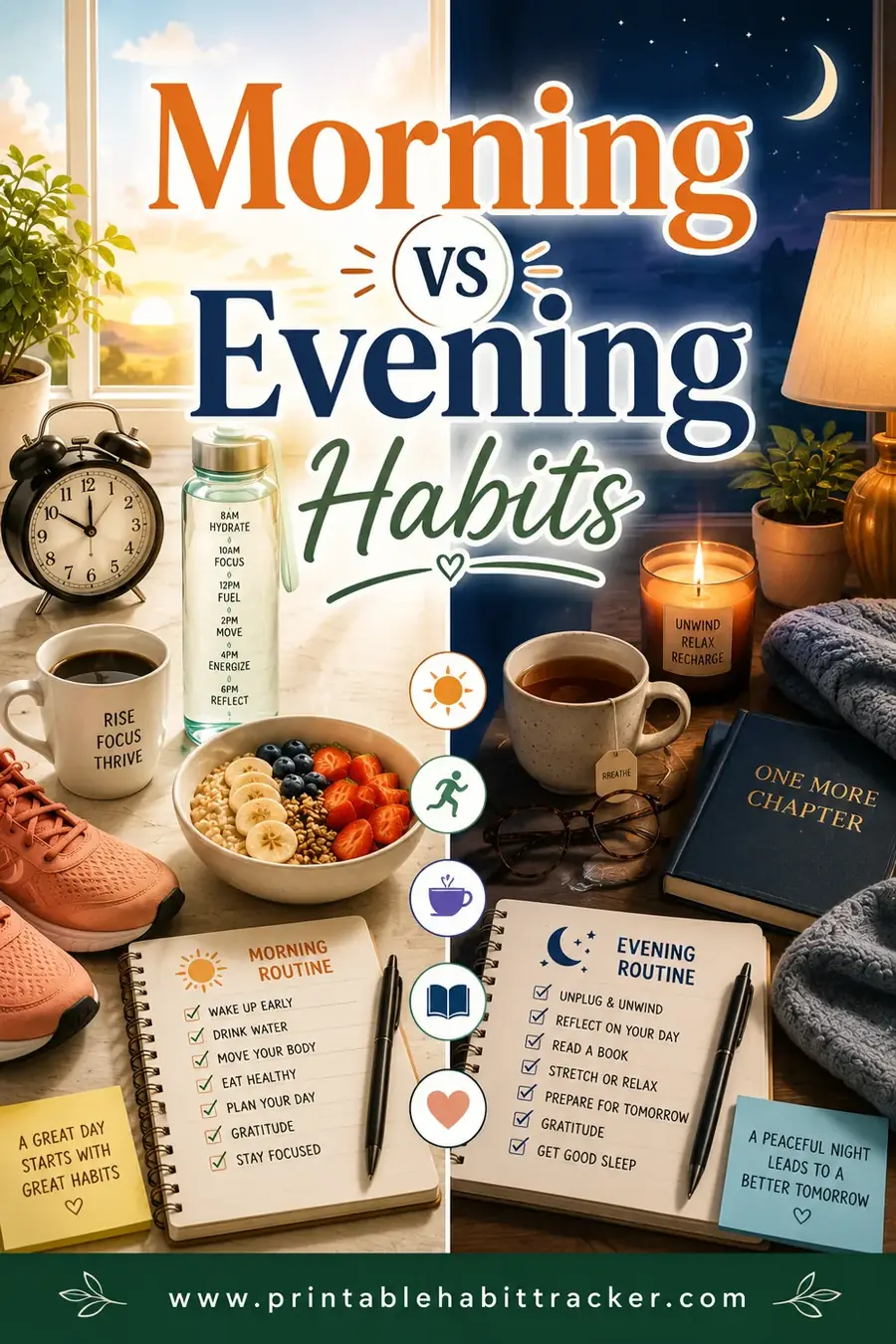
Not sure which fits you? Our guide on morning vs evening habits digs into the trade-offs. Whatever you pick, keep it the same every day so it becomes automatic.
Pick Movement You Don't Hate
You won't stick with exercise you dread. Forget what's "best" and choose what you'll repeat. If you hate running, don't run. If dance workouts make you smile, do those.
Some easy entry points that don't require a gym:
- Walking. The most underrated exercise there is. Free, low-impact, and you can do it anywhere.
- Bodyweight circuits. Push-ups, squats, planks. No equipment, done at home in ten minutes.
- Follow-along videos. Yoga, HIIT, stretching — thousands are free online, so you never have to plan.
- Bike rides. Doubles as transport and fresh air.
- Dancing. Put on three songs and move. It counts.
Enjoyment is a feature, not a luxury. A workout you like is one you'll keep doing, and consistency beats intensity every single time.
Track Every Workout
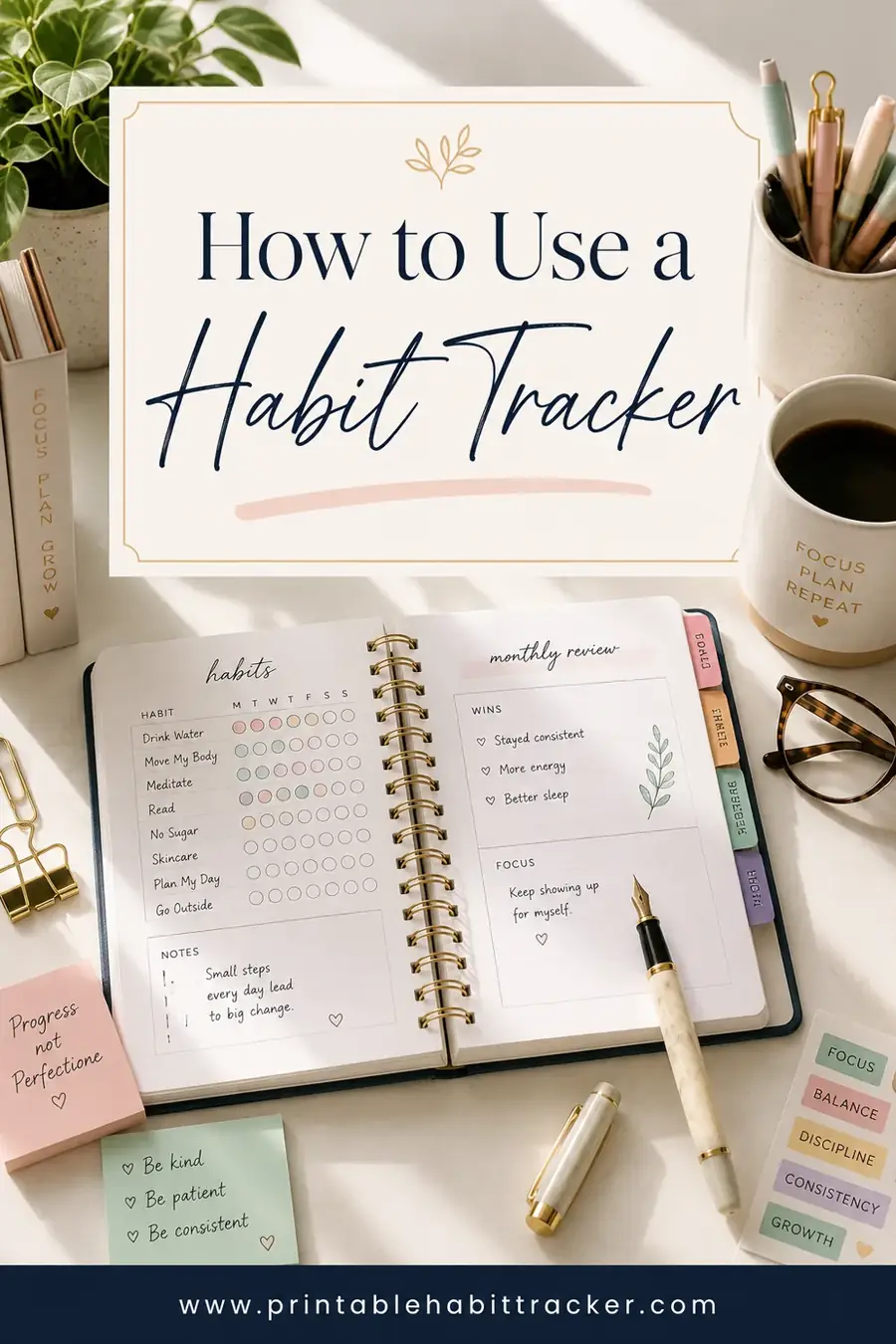
Here's where the habit actually gets built. A printed tracker on your fridge or by your shoes does something an app can't: it stares at you. The empty box is a quiet nudge, and the row of checks is a streak you won't want to ruin.
Marking the box delivers three things:
- A reward. That check mark feels good. Your brain starts to want it, which pulls you back tomorrow.
- A visible streak. "Don't break the chain" is one of the most powerful motivators in habit-building. Ten checks in a row is hard to throw away.
- Honesty. The chart shows you exactly how consistent you've really been — no fooling yourself.
Set up your row in the free printable habit tracker, label it with your goal, and print a fresh sheet each week. Put it where you'll see it before and after the workout.
A Sample Starter Week
Here's what a realistic first week looks like when you start small and track it.
| Day | Planned | Minimum | Done? |
|---|---|---|---|
| Monday | 20-min walk | 5-min walk | ✅ (full) |
| Tuesday | 10 push-ups + plank | 2 push-ups | ✅ (full) |
| Wednesday | 20-min walk | 5-min walk | ✅ (minimum) |
| Thursday | Yoga video | 3-min stretch | ✅ (full) |
| Friday | 20-min walk | 5-min walk | (missed) |
| Saturday | Bike ride | 5-min walk | ✅ (full) |
| Sunday | Rest / stretch | — | ✅ |
Six active days, a planned rest day, and one miss — and the streak survived because Wednesday was just the minimum. That flexibility is exactly what keeps a habit alive through a busy week.
Build In Rest (It's Part of the Plan)
A daily exercise habit doesn't mean punishing your body every day. Rest and recovery are where your body actually gets stronger, and overtraining is a fast track to injury and burnout.
Plan one or two lighter days each week. On those days, your "workout" might be a gentle walk or some stretching — still enough to check the box and keep the daily rhythm, without grinding yourself down. The habit you're protecting is "move every day," not "exhaust yourself every day."
Never Miss Twice
You will miss a day. A work crisis, a cold, a flat-out impossible schedule — it happens to everyone. The rule that keeps your habit alive isn't "never miss." It's "never miss twice in a row."
One skipped day is nothing. Two becomes three, three becomes a week, and suddenly the habit's gone. So when you miss, the only goal the next day is to show up, even for the two-minute minimum. Don't try to "make up" for it with a punishing double session. Just check the next box and move on.
Remove the Friction Before You Start
Half the battle of exercise is just getting started, so make starting stupidly easy. Every bit of friction between you and your workout is another chance to talk yourself out of it. Strip that friction away in advance and your future self barely has to decide.
A few moves that work:
- Lay out your gear the night before. Clothes, shoes, water bottle, all ready by the door. Stumbling over your sneakers is a built-in reminder.
- Sleep in your workout clothes if you train first thing. Sounds extreme, but it removes one whole step from the morning.
- Pre-pick the workout. Decide tonight what tomorrow's session is, so you're not standing around unsure and losing momentum.
- Keep it close. A yoga mat unrolled on the floor, dumbbells by the desk. Equipment you can see is equipment you'll use.
The easier you make the first thirty seconds, the more often you'll get through them — and once you've started, finishing is rarely the problem.
Focus on the Identity, Not the Goal
Goals like "lose ten pounds" or "run a 5k" have an expiration date — you either hit them and stop, or miss them and quit. A habit built on identity lasts far longer. Instead of "I want to get fit," aim for "I'm someone who moves every day."
Every time you check that box, you're casting a small vote for that identity. Miss a day? One vote doesn't decide an election. Show up for the two-minute minimum on a bad day, and you've still reinforced who you are: a person who shows up. Over weeks and months, those votes stack into a genuine self-image, and once exercise is part of who you are, you don't have to force it anymore. It's just what you do.
This is also why the streak matters so much. A long row of checks isn't just a record of workouts — it's proof of identity staring back at you. It's hard to skip a workout when the chart on your fridge clearly shows you're "someone who doesn't skip."
Keep the Momentum Going
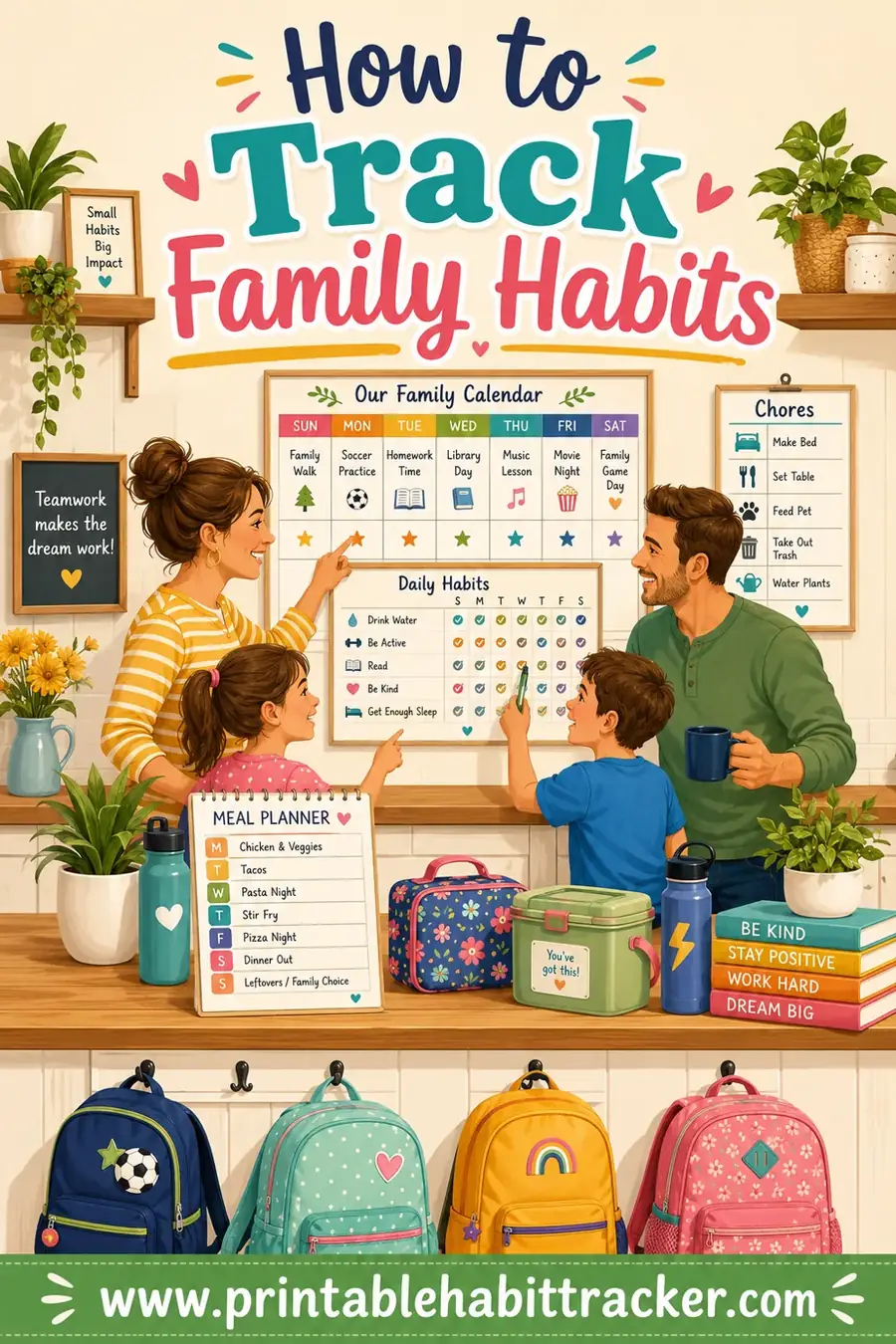
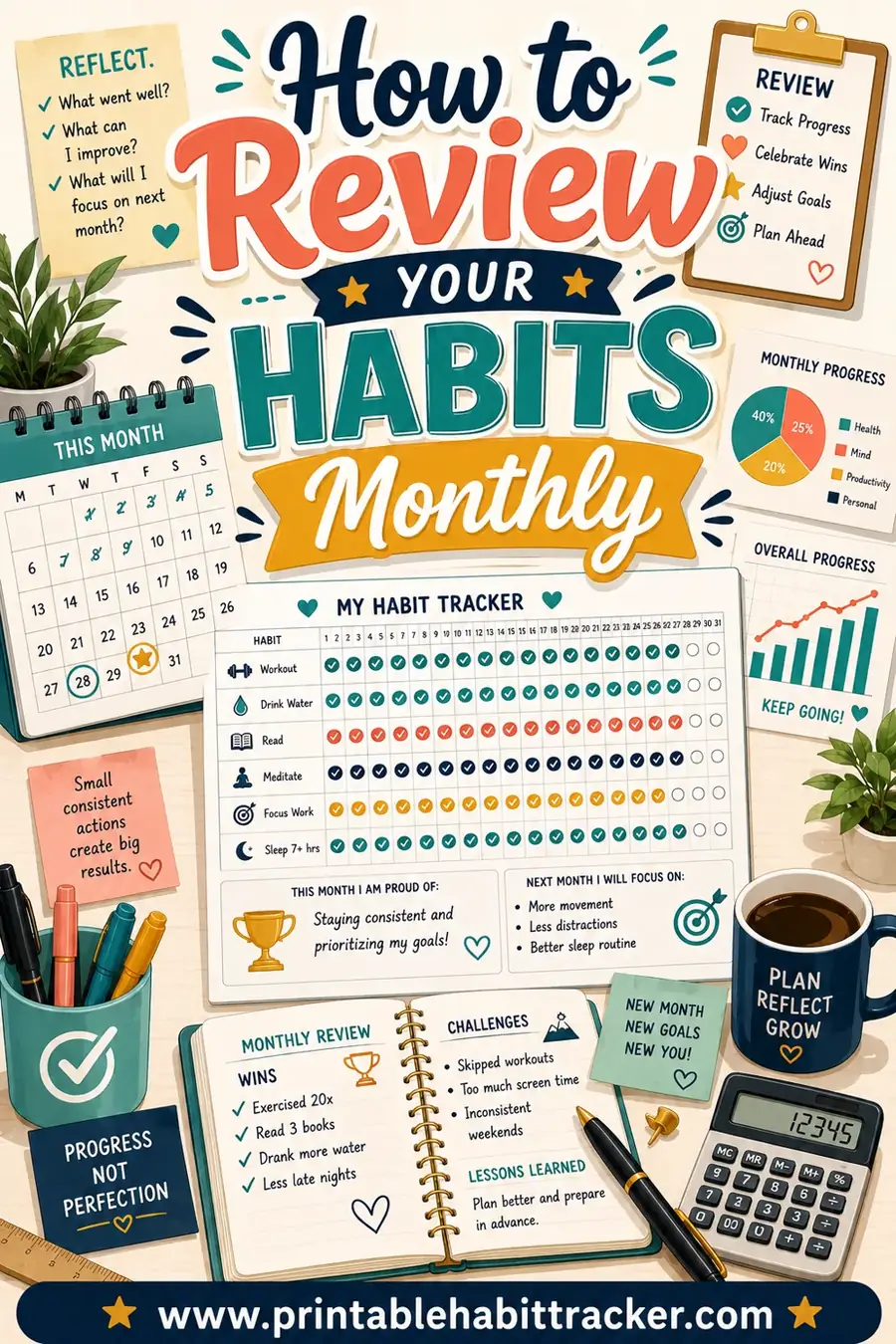
Once exercising daily feels automatic, you can fold it into a bigger routine. If you want the whole family moving, how to track family habits shows you how to put everyone's workouts on one shared chart. And every few weeks, how to review your habits monthly helps you see your progress and decide when to bump up the difficulty.
Frequently Asked Questions
How long does it take to build an exercise habit?
For most people, exercising starts to feel automatic after about three to four weeks of consistent daily movement. The exact timing varies, but consistency is what matters — moving a little every day builds the habit much faster than intense workouts a couple of times a week.
How much should I exercise when starting out?
Start far smaller than feels reasonable — a 10-minute walk or five push-ups is plenty. The first few weeks are about showing up daily, not getting fit. Once moving every day is automatic, you can safely add time and intensity.
What's the best time of day to work out?
The time you'll actually do it. Morning workouts have an edge because your willpower is fresh and nothing can bump them, but a lunchtime or after-work session works just as well if that suits your schedule. Keep it the same time each day so it becomes a habit.
What if I miss a workout?
Don't panic, and don't try to make it up with a brutal double session. Just follow the "never miss twice" rule: get back to it the next day, even if it's only your two-minute minimum. One missed day is harmless; missing two in a row is how habits fade.
How does a printable tracker help me exercise more?
A printed tracker sits where you'll see it — on the fridge or by your shoes — so the empty box nudges you and the row of checks builds a streak you won't want to break. It also shows you honestly how consistent you've been. Build one free in the printable habit tracker.
Ready to Start Your Exercise Streak?
Pick a tiny daily goal, choose a fixed time, and open the free printable habit tracker to make your "move every day" row. Print it, stick it by your shoes, and check off your first box today. It's free, there's no sign-up, and one small box a day is how a real exercise habit gets built.