Meal & Nutrition Tracker: Free Printable Food Log
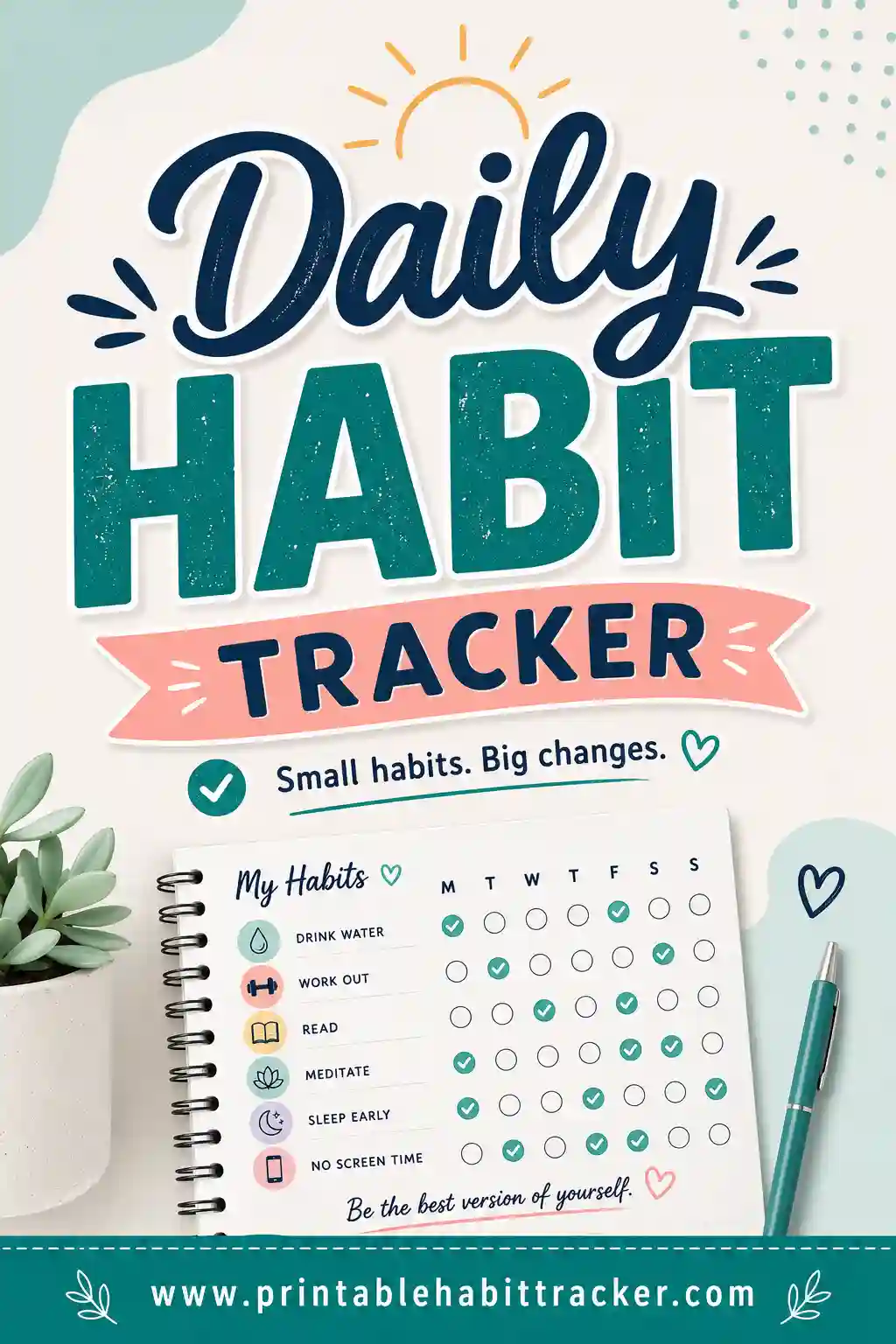
A meal / nutrition tracker is a printable sheet where you log what you eat and the food habits you care about, like drinking enough water, eating veggies, or sticking to balanced meals, and check them off each day. Writing it down makes you more aware of what you actually eat, without any guilt or calorie math. The fastest way to make one is with a free printable habit tracker that lets you add your own food habits, pick a layout, and print it at home.
Want to skip ahead? Open the free tracker maker, add the eating habits you want to build (there's a ready-made list below), choose daily, weekly, or monthly, and print. No sign-up, no app, no fee.
What Is a Meal & Nutrition Tracker?
It's a simple, no-stress way to keep an eye on how you eat. Instead of counting every calorie, you track the habits that actually make a difference: drinking water, eating vegetables, having real meals instead of grazing, and so on. Each day you check the boxes you hit.
This kind of tracker is friendlier than a strict food diary. There's no math, no shame, and no obsessing over numbers. You're just building awareness, and awareness alone changes how people eat.
You can track nutrition a few ways:
- Habit boxes. Check off food habits like "ate breakfast" or "drank 8 glasses of water." Simple and sustainable.
- A meal log. Jot down what you ate at each meal. More detail, useful if you're spotting a food sensitivity.
- A combo. A few habit boxes plus a small space to note the day's meals. The best of both.
Why a Nutrition Tracker Helps
You eat dozens of small decisions a day, and most slip by unnoticed. A tracker pulls them into the light.
- It builds awareness. Just knowing you'll check a box makes you pause before you skip the veggies or grab a third snack.
- It reveals patterns. Maybe you always skip breakfast on busy mornings, then overeat at night. The sheet shows it.
- It keeps you consistent. A streak of checked "drank enough water" boxes is weirdly motivating. You don't want to break it.
The aim isn't a perfect diet. It's small, steady improvement, and noticing your own habits clearly enough to nudge them.
Food Habits Worth Tracking
Here's a ready-made list. Pick the handful that match your goal, whether that's more energy, better digestion, or just eating more real food. Don't track everything at once.
| Habit | Why it helps | How to track |
|---|---|---|
| Drink water | Energy, digestion, fewer fake hunger pangs | One box per glass, or a daily check |
| Eat veggies | Fiber, vitamins, fullness | One check per day you ate them |
| Eat breakfast | Steadier energy, less overeating later | Daily check |
| Balanced meals | Protein, carbs, and veg keep you full | One check per balanced meal |
| Limit sugary drinks | Cuts hidden sugar and crashes | Check on days you skipped them |
| Mindful eating | Slows you down, helps digestion | Check if you ate without screens |
| Eat enough protein | Keeps you full and steady | Daily check |
| Plan or prep meals | Less last-minute junk food | Check on prep days |
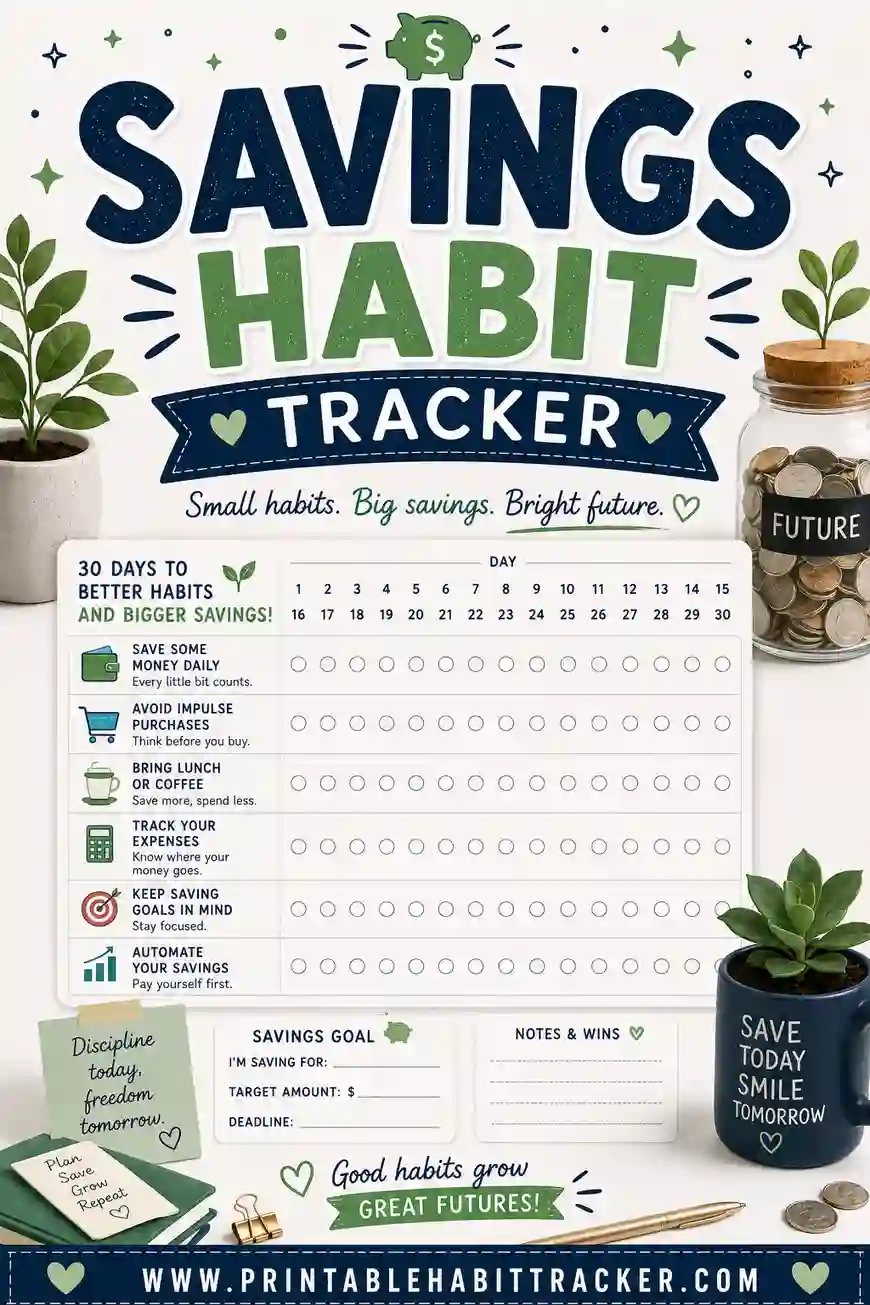
Start with four or five. Once those feel automatic, add more. If saving money on food is part of the goal, pair this with a savings habit tracker.
Focus on adding, not just cutting
Trackers built around "add a veggie" or "drink more water" stick far better than ones built around "don't eat X." Positive habits are easier to keep and a lot kinder to yourself. Aim to crowd out the junk by adding the good stuff.
How to Make a Meal & Nutrition Tracker in 4 Steps
No nutrition degree required. Here's the whole process.
- Pick your focus. More water? More veggies? Regular meals? Choose a clear aim.
- Choose your habits. Pull four or five from the list above that fit that aim.
- Pick a layout. Daily for everyday eating, weekly for a Mon–Sun grid, monthly for the big view. The tracker maker has all three.
- Print and post it. Stick it on the fridge or pantry door and check boxes after each meal.
That's it. The fridge is the perfect home for this one, since that's where the food decisions happen.
Sample Daily Meal Log Layout
If you want a bit more detail than checkboxes, a simple meal log works great. Here's an easy structure you can recreate in the tool or by hand.
| Meal | What I ate | Water | Veggies? |
|---|---|---|---|
| Breakfast | Oatmeal + banana | ⬜⬜ | ⬜ |
| Lunch | Chicken salad | ⬜⬜ | ✅ |
| Snack | Apple + nuts | ⬜ | ⬜ |
| Dinner | Stir-fry + rice | ⬜⬜ | ✅ |
This kind of log is especially handy if you're trying to spot a food that doesn't agree with you, or if you just want an honest look at a typical day. Keep it light, you don't need to weigh anything.
A Sample Nutrition Week
Here's what a realistic, imperfect week of habit tracking might look like.
| Habit | Mon | Tue | Wed | Thu | Fri | Sat | Sun |
|---|---|---|---|---|---|---|---|
| Drink water | ✅ | ✅ | ⬜ | ✅ | ✅ | ✅ | ⬜ |
| Eat veggies | ✅ | ⬜ | ✅ | ✅ | ✅ | ⬜ | ✅ |
| Eat breakfast | ⬜ | ✅ | ✅ | ✅ | ⬜ | ✅ | ✅ |
| Balanced dinner | ✅ | ✅ | ✅ | ⬜ | ✅ | ✅ | ✅ |
The gaps aren't failures, they're clues. This person skips breakfast on busy weekdays and slips on water toward the weekend. Now those are easy targets to work on. That's the quiet power of seeing it on paper.
Tips for Sticking With It
A printable tracker is the tool. A few habits make it work.
- Check it after meals. Mark your boxes while you clear the plate. It becomes automatic.
- Keep it visible. The fridge, the pantry door, or a kitchen wall, somewhere you'll glance at daily.
- Be honest, not perfect. A tracker full of fake checks helps nobody. Real data, even messy data, is the goal.
- Don't track calories unless you want to. For most people, habit boxes work better and feel kinder than counting.
- Reset weekly. A fresh sheet each week keeps it feeling clean and doable.
Notice how food affects your mood
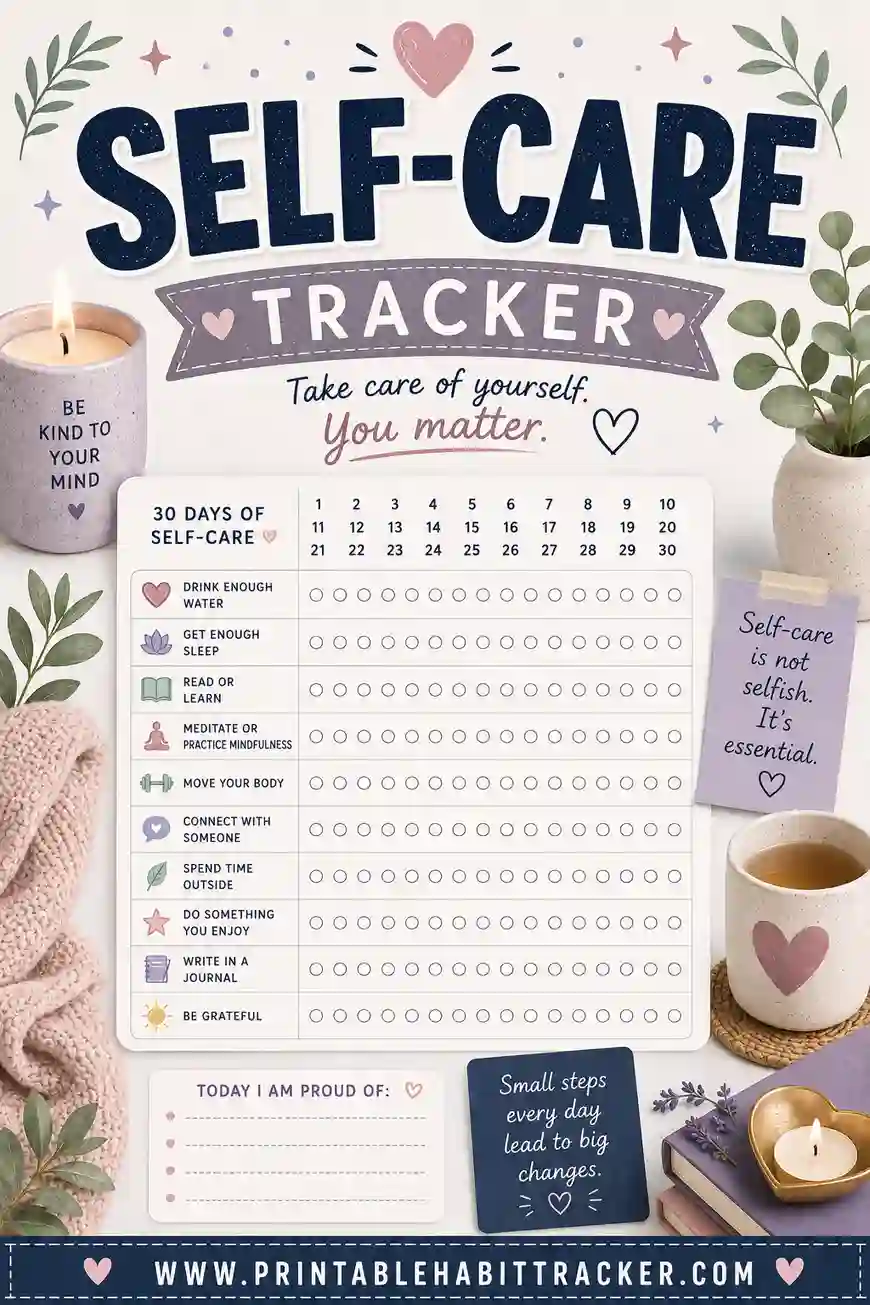
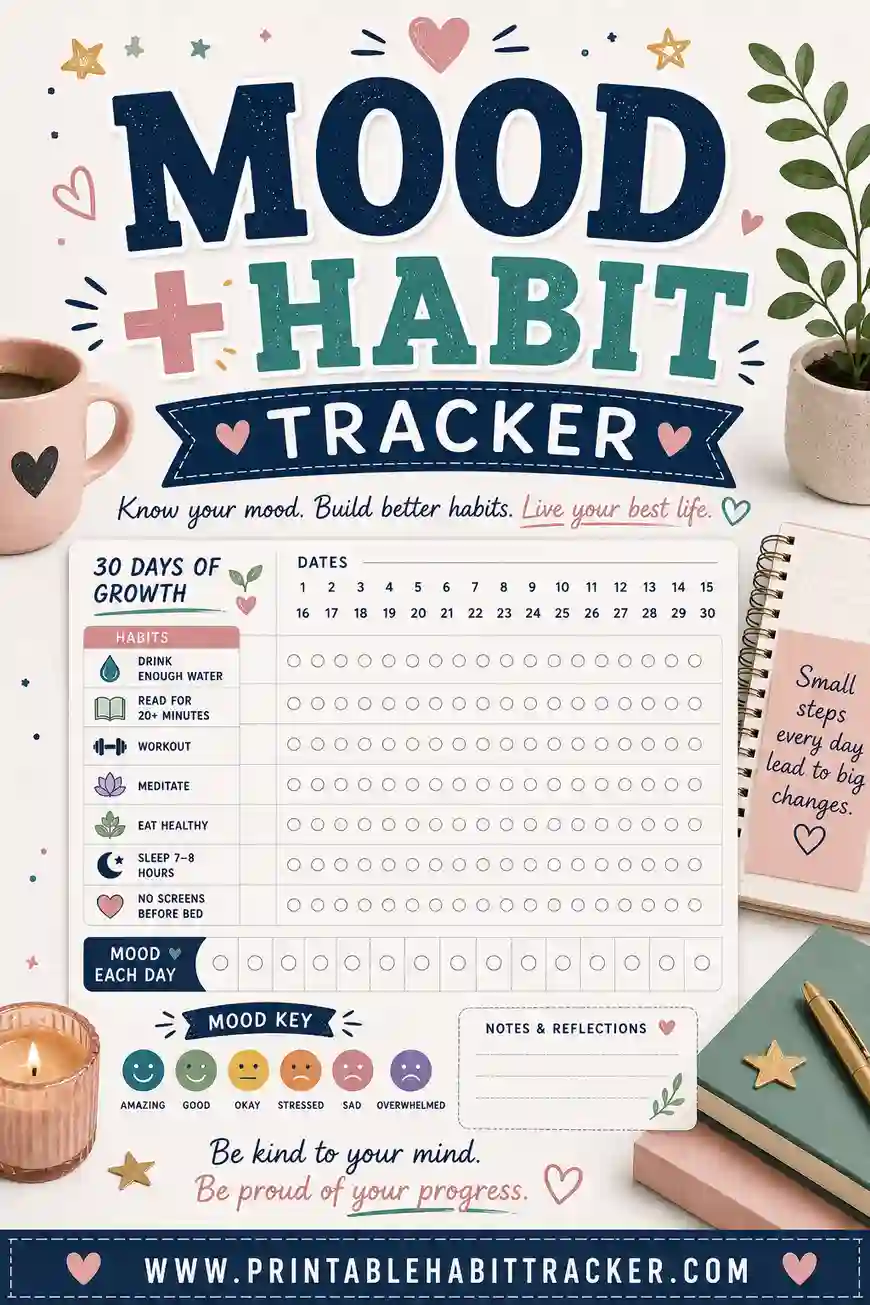
What you eat shapes how you feel, more than most people realize. If you want to connect the dots, run a mood and habit tracker alongside this one. You might find your low-energy afternoons line up with skipped lunches. For a broader wellness view, a self-care tracker ties it all together.
Who a Meal & Nutrition Tracker Is Great For
A food tracker bends to fit almost any goal, since it's about awareness rather than rigid rules. A few people who get the most from one:
People who want more energy
If you hit an afternoon slump every day, a tracker often reveals why, maybe a skipped breakfast or a sugary lunch. Tracking water and balanced meals helps you find the eating pattern that keeps your energy steady all day.
Anyone trying to eat more whole foods
Building habits around adding veggies, water, and home-cooked meals slowly crowds out the junk. The daily check-in keeps the goal front of mind without any dieting, calorie math, or guilt attached.
Busy families
A shared fridge tracker turns healthy eating into a family habit. Kids can check off "ate a veggie" or "drank water," which makes good choices feel like a fun game rather than a chore.
People watching for food sensitivities
If certain foods leave you bloated or tired, a meal log is the first step to spotting the culprit. Pairing what you ate with how you felt builds a record you can bring to a doctor for real answers.
Common Nutrition Tracking Mistakes to Avoid
A few easy traps can stall a food tracker. Dodge these and yours will actually help.
- Tracking too much at once. Logging fifteen habits is exhausting and short-lived. Pick four or five that match your goal and let the rest go for now.
- Making it all about restriction. Trackers built on "don't eat X" feel punishing. Frame habits as adding good things, like water and veggies, and you'll keep them far longer.
- Obsessing over numbers. You don't need to weigh food or count every calorie. For most people, simple habit boxes work better and feel a whole lot kinder.
- Forgetting to fill it in. A tracker only works if you use it. Keep it on the fridge and check boxes right after meals so it becomes automatic.
- Quitting after an off day. One pizza night isn't a failure. Just pick up the next day. Long-term consistency beats any single perfect day.
Steer around these and your tracker stays a friendly nudge rather than a source of stress.
Frequently Asked Questions
What should I track on a nutrition tracker?
Start with simple, positive habits: drinking water, eating vegetables, having breakfast, and eating balanced meals. Pick four or five that match your goal. There's no need to count calories unless you specifically want to.
Do I have to count calories?
No. For most people, tracking habits like water and veggies works better and feels much kinder than counting every calorie. A habit-based tracker builds awareness without the stress and is far easier to stick with.
Is this meal / nutrition tracker free to print?
Yes. You build and print it yourself at no cost, with no sign-up and no watermark. One free sheet covers your whole week or month of eating.
Can a food tracker help me spot a food sensitivity?
It can help you notice patterns. Use a meal log to write down what you eat, and if you pair it with a mood or symptom note, you may spot a food that consistently doesn't agree with you. For a diagnosis, talk to a doctor.
How long should I track my eating?
Even a week builds awareness, but two to four weeks shows you real patterns, like which days you skip meals or fall short on water. Many people keep a tracker going long-term because the daily check-in keeps them mindful.
Where's the best place to put a nutrition tracker?
The fridge or pantry door. That's where your food decisions happen, so a tracker there nudges you right at the moment you're choosing what to eat or drink.
Ready to Build Your Meal & Nutrition Tracker?
Pick a focus, choose a few food habits, open the free tracker maker, and print. In a couple of minutes you'll have a custom meal and nutrition tracker ready for the fridge, no app and no cost. Check those boxes after each meal, watch your habits improve, and enjoy eating a little better, one small win at a time.