Summer Routine Chart for Kids: A Free Printable Daily Schedule
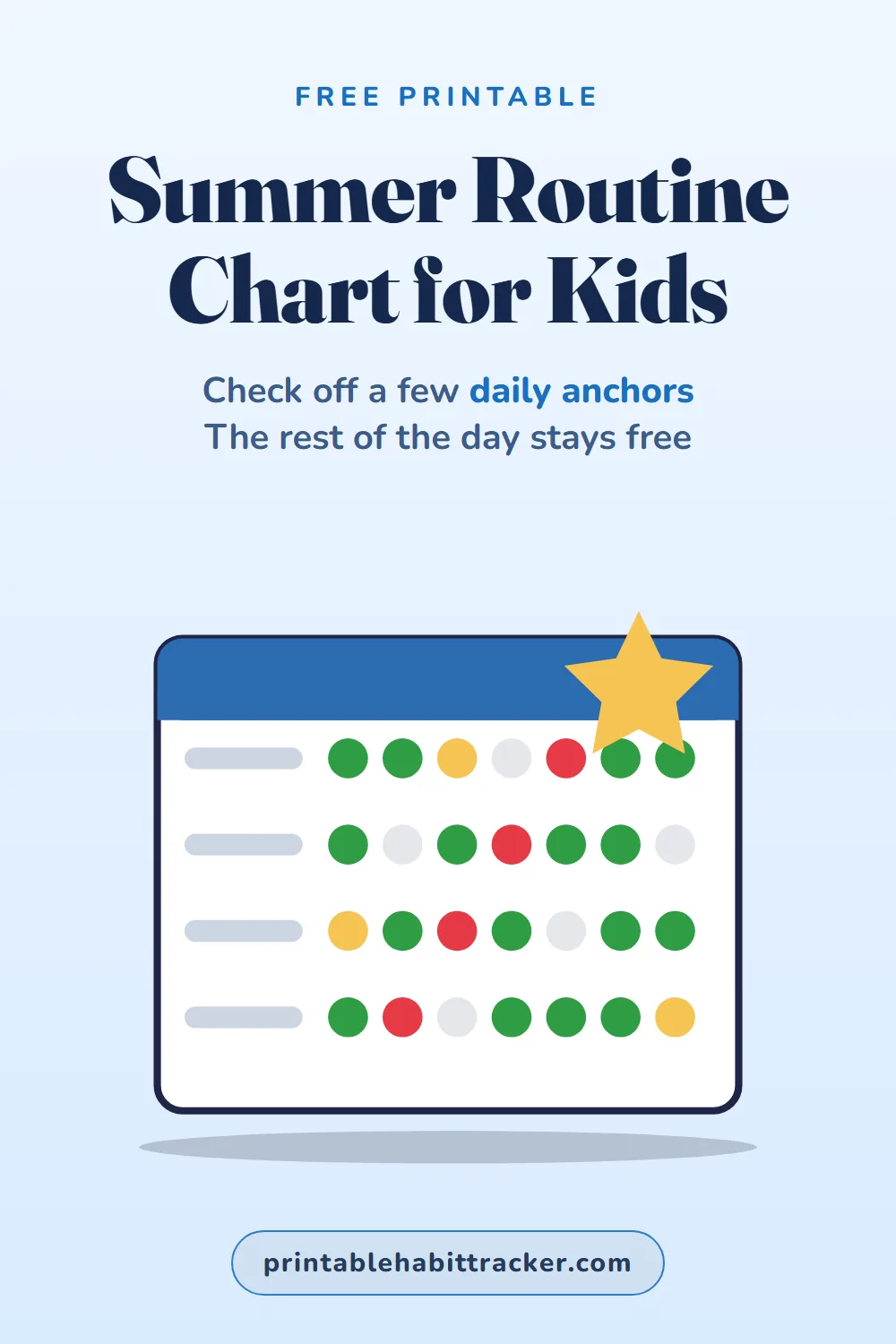
A summer routine chart for kids is a simple weekly grid with a few daily "anchors": morning routine, reading, a chore, outside time and something creative. Your child checks each one off, and the rest of the day stays free for play. It keeps summer break relaxed without the whole family drifting into late mornings, screen fights and bored afternoons.
Here's a ready-made summer routine to try. Tap a box when it's done, edit the rows to fit your family, then print it free:
✅ Try this tracker for one week
Tap a box each day you do the habit. Your ticks stay on this device.
Why a summer routine helps (and why it shouldn't be strict)
Most schools let out somewhere between late May and mid-June, and that first week of freedom feels amazing. By week two, a lot of families hit the "I'm bored" wall. A light routine helps because kids know what to expect, they get some reading and moving in every day, and you don't have to argue about the same things over and over.
The trick is anchors, not a timetable. Five things that happen sometime each day is plenty. Summer should still feel like summer.
What to put on a summer routine chart
| Row | What it looks like | Why it's there |
|---|---|---|
| Morning routine | Get dressed, breakfast, brush teeth, make bed | Starts the day the same way, even with no bus to catch |
| Reading | 15 to 30 minutes, any book they like | Helps prevent the summer slide |
| One chore | Feed the pet, water plants, unload the dishwasher | Kids pitch in, and you get a little help |
| Outside time | Bike, sprinkler, park, backyard | Moving, fresh air, better sleep |
| Make or build | Drawing, building blocks, crafts, a fort, baking with a grown-up | Creative time that isn't a screen |
| Quiet time (optional) | Rest, audiobook, puzzles | A reset for hot afternoons, great for younger kids |
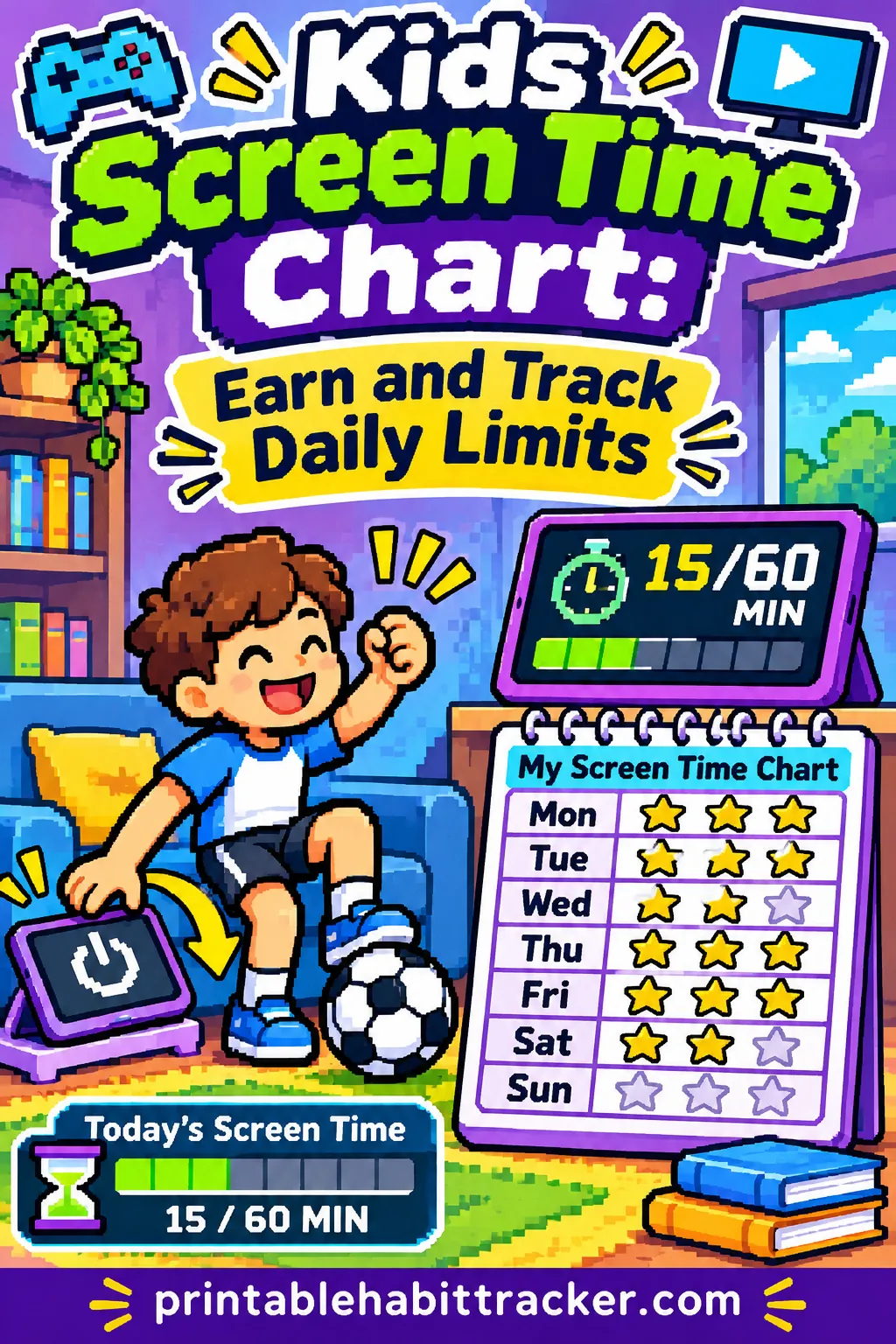
Screens can go on the chart too, as a reward that kicks in once the other boxes are checked. Our kids screen time chart shows a simple way to set that up.
Sample summer schedules for kids by age
These are loose examples, not rules. Move the blocks around to fit camps, work hours and family plans.
Ages 3 to 5
| Part of the day | Anchor |
|---|---|
| Morning | Dress, breakfast, teeth, then outside play while it's cool |
| Late morning | Snack and a picture book together |
| After lunch | Nap or quiet time |
| Afternoon | Water play, a craft, or a library story time |
| Evening | A helper job (set out napkins), bath, books, bed |
Ages 6 to 9
| Part of the day | Anchor |
|---|---|
| Morning | Morning routine and one chore before screens |
| Late morning | Outside time, bikes, park or pool |
| After lunch | 20 minutes of reading, then a quiet activity |
| Afternoon | Free play, friends, a building project |
| Evening | Help with dinner, family time, bedtime routine |
Ages 10 to 13
| Part of the day | Anchor |
|---|---|
| Morning | Up by a set time, breakfast, one bigger chore (laundry, mowing) |
| Midday | Outside or active time, sports, swimming |
| Afternoon | 30 minutes of reading and a passion project (coding, art, a summer goal) |
| Evening | Screen time after the chart is done, then a steady bedtime |
A summer chore and reading chart in one
If your two big summer goals are "help around the house" and "keep reading," put both on the same chart. One row for the day's chore, one row for reading minutes. Kids like seeing both rows fill up, and you only have one chart on the fridge.
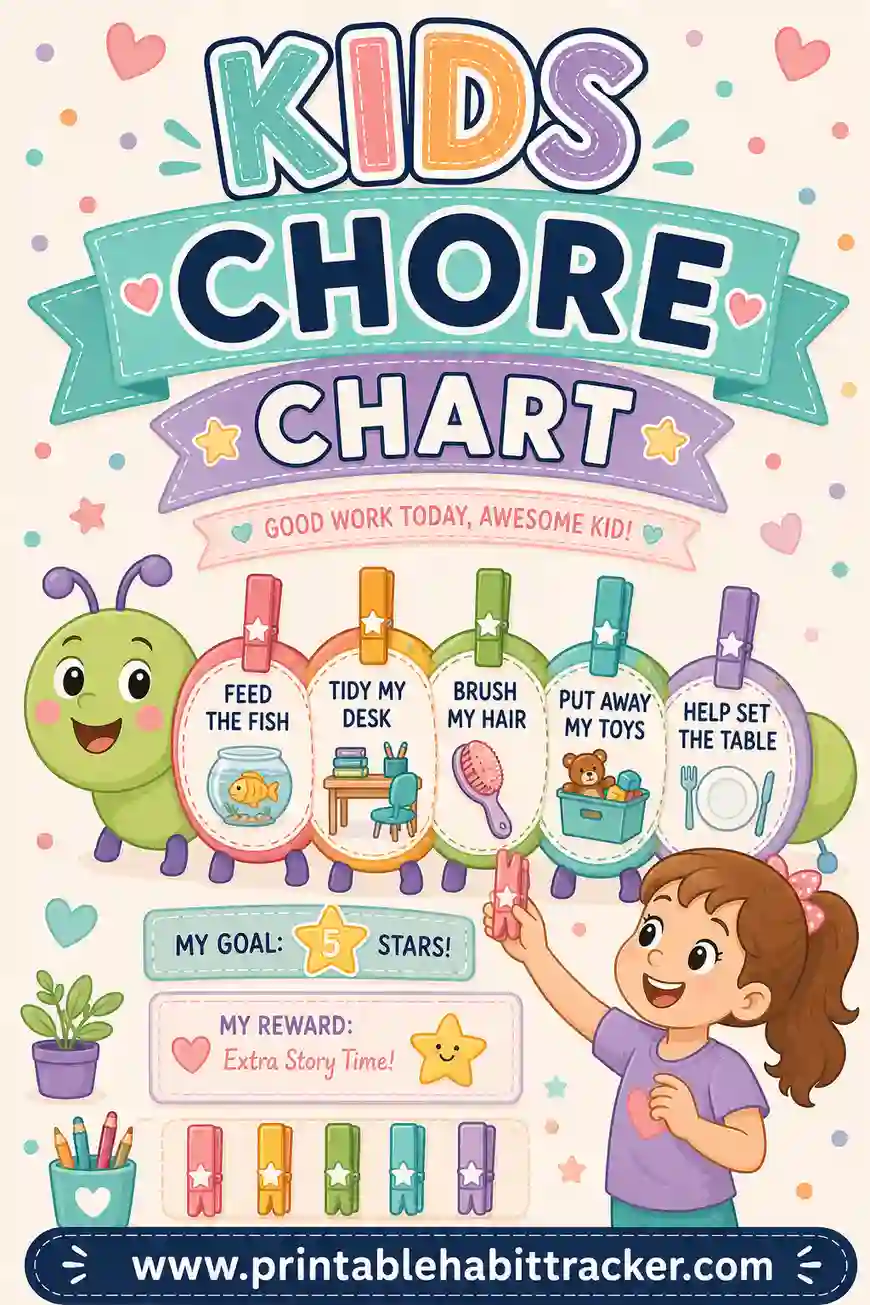
For a full list of age-right jobs, the kids chore chart has ideas from toddlers to teens. And if you want to track the actual books, pair this chart with a summer reading log from our sister site. Many library summer reading programs ask for minutes or titles, so the log keeps everything in one place.
Rewards for a summer routine
A little something to look forward to keeps the chart going past July:
- Daily: screens, a friend over, or a popsicle once the chart is checked.
- Weekly: a full week earns a summer adventure, like the splash pad, a hike or a picnic.
- End of summer: a bigger family day they help choose.
Getting back to school routines
Here's where a summer chart really pays off. Two or three weeks before school starts, slowly shift things back:
- Move bedtime and wake-up earlier by about 15 minutes every few nights.
- Add a "get backpack ready" or "lay out clothes" row to the chart.
- Bump reading time to match what school will ask for.
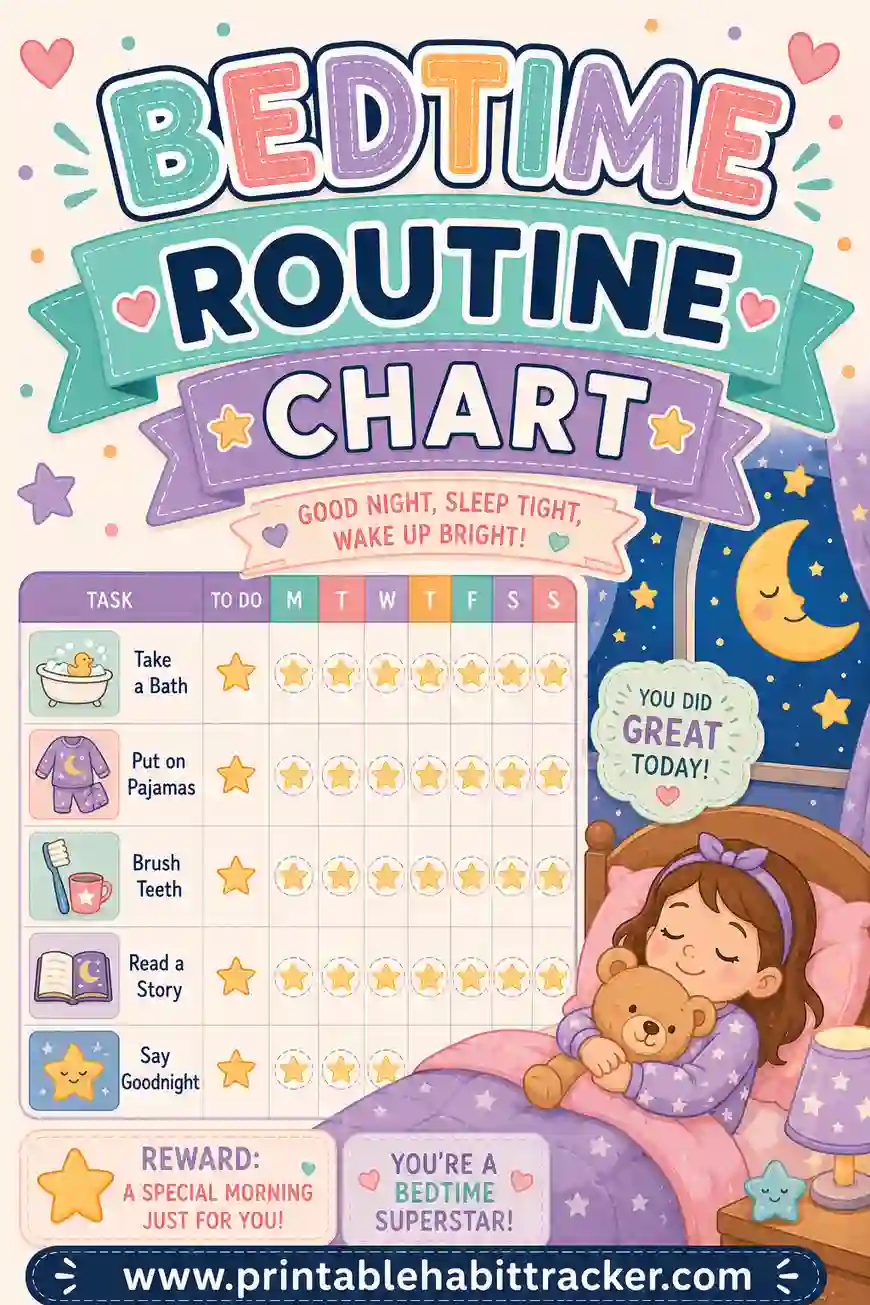
The bedtime routine chart is a nice partner for that shift.
Common summer routine mistakes
- Scheduling every hour. Kids need boredom to get creative. Leave big open blocks.
- Too many rows. Five is plenty. Ten rows turns summer into a job.
- Same chart all summer. Update it when camps or trips change the week. It takes a minute in the maker.
- Dropping it during vacation. It's fine to pause the chart on a trip. Just restart it the day you get home.
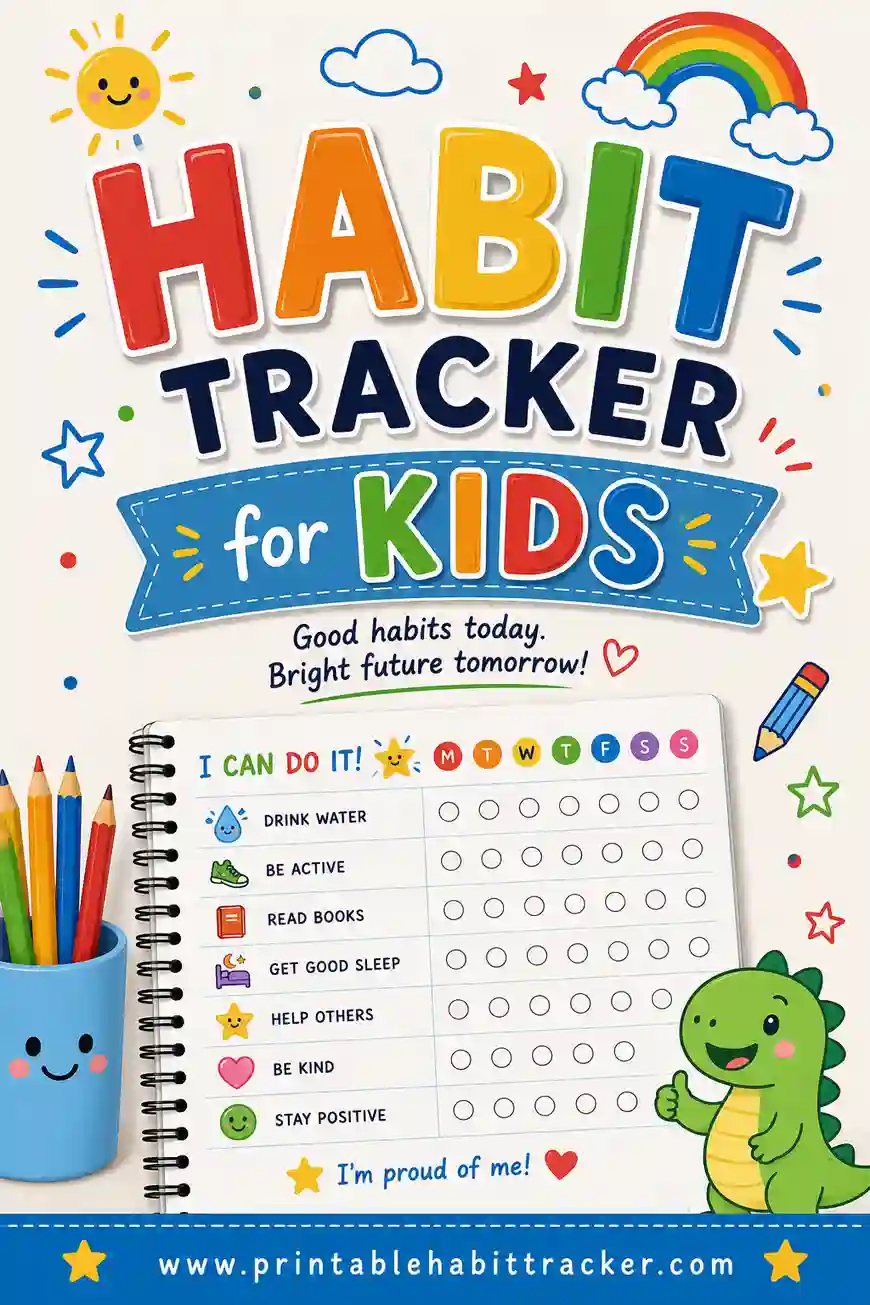
Want more ideas for kids' charts? The habit tracker for kids page has more layouts. When you're ready, open the free habit tracker maker, add your family's summer anchors, and print a fresh chart every Monday.
Frequently Asked Questions
What should be on a summer routine chart for kids?
Keep it to 4 to 6 rows: morning routine, reading, a chore, outside time, a quiet or creative time, and maybe a learning activity. Leave plenty of open time for play.
Should kids have a schedule during summer break?
A loose routine helps most kids. It cuts down on boredom, arguments about screens and the bedtime battle when school starts again. Think anchors, not a minute-by-minute plan.
How much should kids read over the summer?
Many teachers suggest about 20 minutes a day. Even a few books over the summer help with the summer slide. Pair this chart with a summer reading log to track titles.
How do I make a summer chore and reading chart?
Add a row for one daily chore and a row for reading time, then let your child check each one off. Our maker turns the list into a printable weekly grid in a minute.
What time should kids go to bed in the summer?
It's fine to push bedtime a little later, but keep it fairly steady. A couple of weeks before school starts, move it back about 15 minutes every few nights.