The 21/90 Rule Explained (And How to Actually Use It)
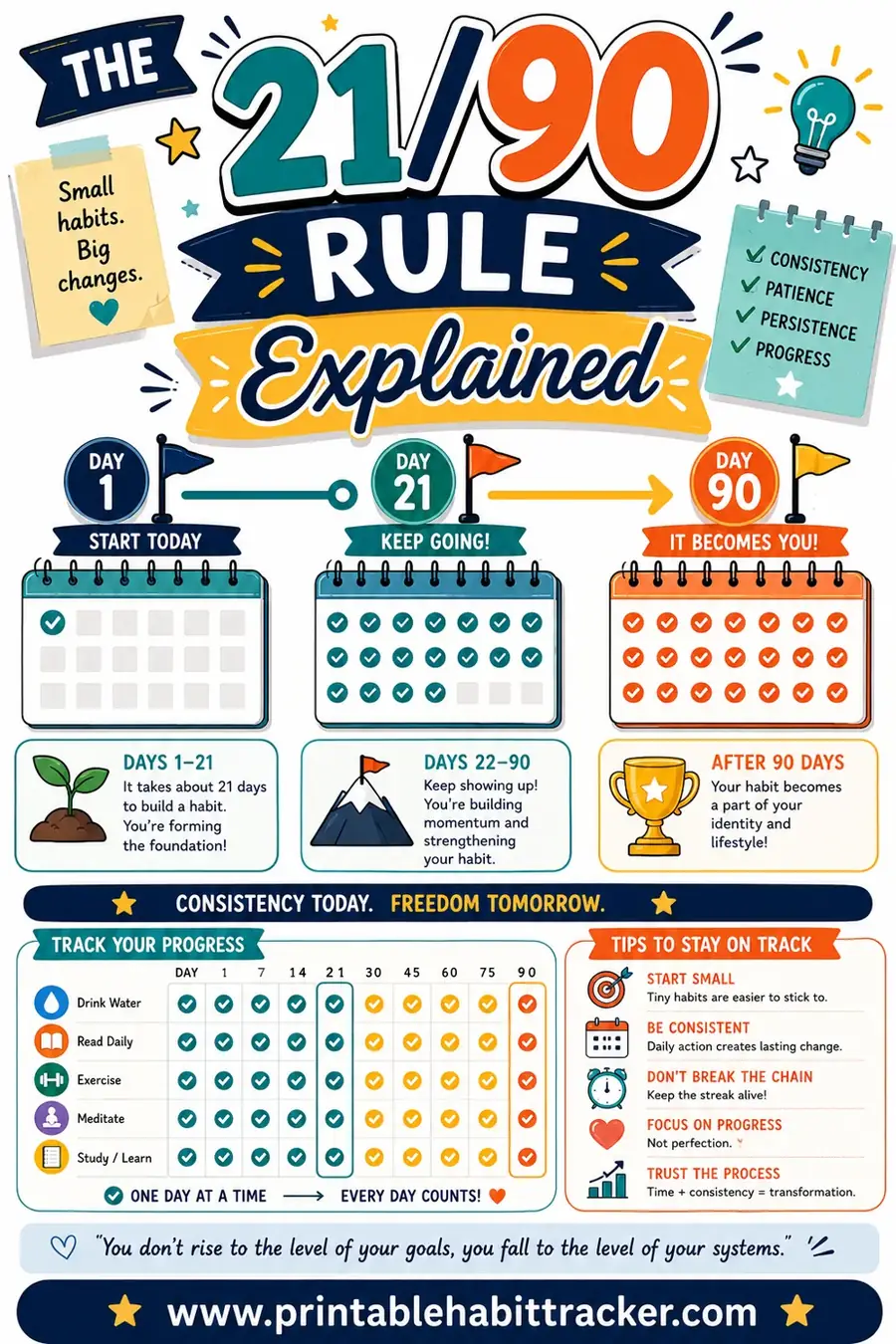
The 21/90 rule says it takes 21 days to form a habit and 90 days to turn that habit into a permanent lifestyle. The idea is simple: commit to a new behavior every day for 21 days to make it stick, then keep going for a full 90 days to lock it in for good. It's a motivating framework, though the exact numbers are more of a guideline than hard science. The real power isn't in the days, it's in committing to a streak and tracking it.
Want to run your own 21/90 challenge? Open the free habit tracker, add your habit, and print a 90-day grid. No sign-up, no cost.
What the 21/90 Rule Actually Means
The rule breaks behavior change into two clear stages, each with its own goal.
- The first 21 days: form the habit. You do the new behavior every single day for three weeks. The aim is to get past the awkward early phase where it takes constant reminders and willpower.
- The next 69 days (to reach 90): build the lifestyle. You keep going for a full three months. By the end, the behavior isn't just a habit you're working on, it's part of who you are.
So 21 days gets the habit started, and 90 days makes it stick for the long haul. The framework is popular because it's easy to remember and gives you two concrete checkpoints to aim for instead of a vague "keep going forever."
Where the 21/90 Rule Comes From
The "21 days" half of the rule has a long history. It traces back to a 1960s plastic surgeon, Dr. Maxwell Maltz, who noticed his patients took about 21 days to adjust to changes like a new nose or a missing limb. He wrote that it takes "a minimum of about 21 days" for a mental image to change.
Over time, that careful phrase, "a minimum of about 21 days," got simplified into a flat "21 days to form a habit." It spread through self-help books and became one of the most repeated ideas in personal development.
The "90 days" half is newer and looser. It reflects the common observation that three months is roughly how long it takes a new behavior to feel like a stable part of your life, not just a project you're working on. Together they became the catchy 21/90 rule you see today.
Is the 21/90 Rule Actually True?
Here's the honest answer: the spirit is right, but the exact numbers aren't backed by hard science.
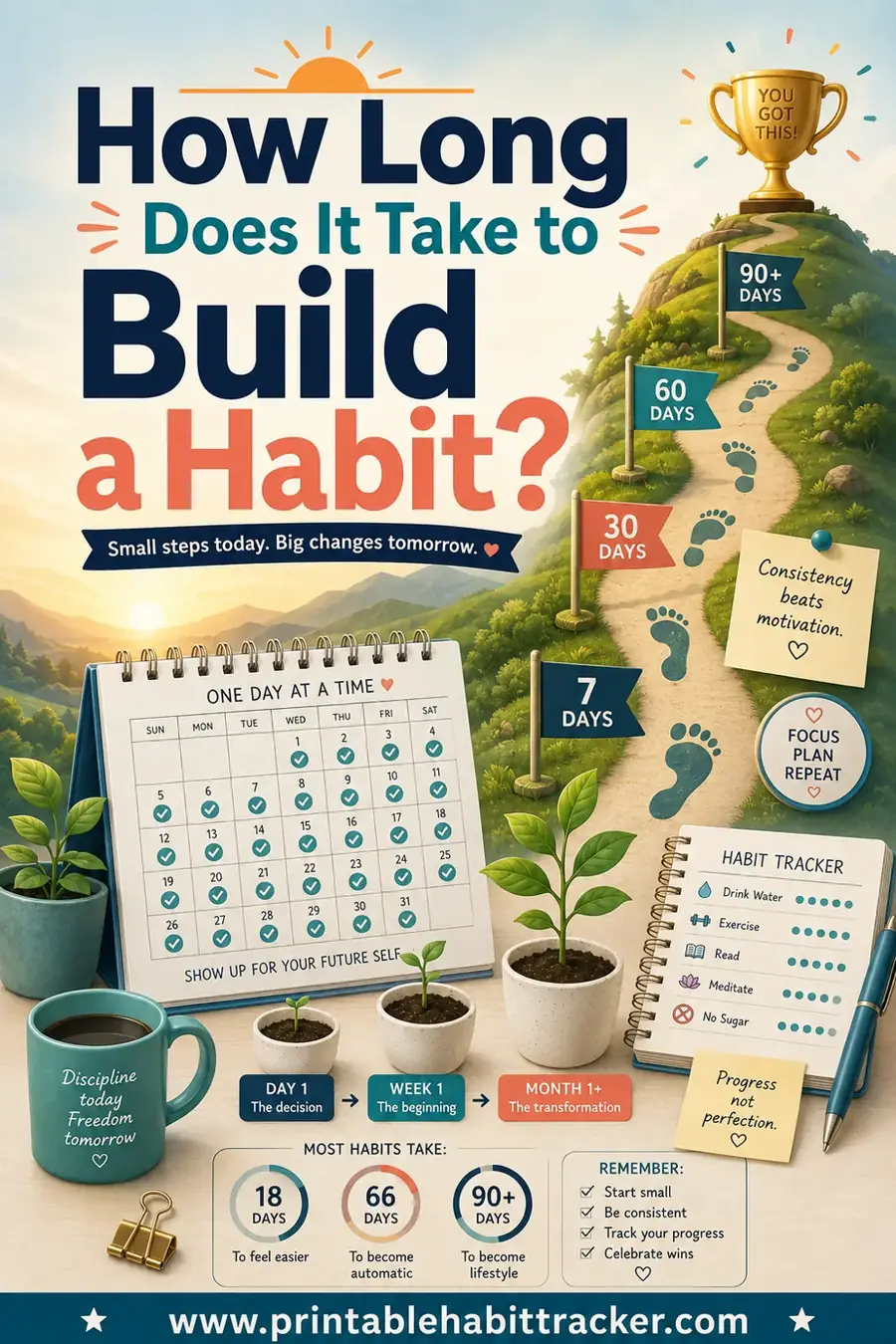
The most-cited research on habit formation comes from University College London, where a 2009 study found habits took an average of 66 days to become automatic, with a range from 18 to 254 days. So 21 days is on the fast, optimistic end. Some simple habits really do form in about three weeks, but many take longer.
We dig into that research in detail in our piece on how long it takes to build a habit.
So should you toss the 21/90 rule? No. Think of it as a useful structure rather than a precise law:
- 21 days is a great first milestone. It's long enough to feel real progress and short enough to feel doable.
- 90 days is a reasonable point at which most habits feel deeply settled.
The numbers aren't magic, but the framework of "hit a near-term milestone, then keep going to make it permanent" is genuinely helpful.
The Two Phases, Side by Side
Here's how the two stages compare, so you know what to expect at each point.
| Phase 1: Days 1–21 | Phase 2: Days 22–90 | |
|---|---|---|
| Goal | Form the habit | Cement the lifestyle |
| Effort needed | High; relies on willpower | Lower; getting automatic |
| What it feels like | New, sometimes hard | Increasingly normal |
| Biggest risk | Quitting from effort | Quitting from boredom |
| Best tool | Daily reminders + tracker | A streak you won't break |
The two phases have different challenges. Early on, the habit is hard and you have to push. Later, the habit is easier but the novelty is gone, so the danger shifts to losing interest. Knowing this helps you stay ready for both.
How to Use the 21/90 Rule Step by Step
Ready to put it into practice? Here's a clean way to run a 21/90 challenge.
- Pick one clear habit. Be specific. "Walk 20 minutes after lunch," not "exercise more." One habit at a time gives the rule its best shot.
- Set up a 90-day tracker. You need a grid that runs the full three months so you can see both milestones. The free habit tracker prints one in seconds.
- Mark every day through day 21. Treat the first three weeks as your make-or-break sprint. Don't miss two days in a row.
- Celebrate the 21-day mark. Hitting it is a real achievement. Notice that the habit already feels a bit easier.
- Keep going to day 90. Now the goal shifts from "forming" to "locking in." Keep marking, keep your streak alive, and let it become part of your routine.
- Review at day 90. By now the habit should feel natural. Decide whether to keep tracking it or graduate it and start a new one.
The framework gives you a beginning, a middle checkpoint, and an end, which is exactly the kind of structure that keeps people from drifting.
Why a Tracker Makes the 21/90 Rule Work
The 21/90 rule asks you to stay consistent for three months. That's a long time to rely on motivation alone, which is why a tracker is the secret ingredient.
A tracker turns the abstract rule into something you can see:
- It marks your milestones. You can see day 21 approaching and day 90 on the horizon.
- It builds a streak you'll defend. After two weeks of marked boxes, breaking the chain feels like a loss, and that keeps you going.
- It carries you through the boring middle. Days 30 to 60 are where enthusiasm dips. A visible streak gives you a reason to push on.
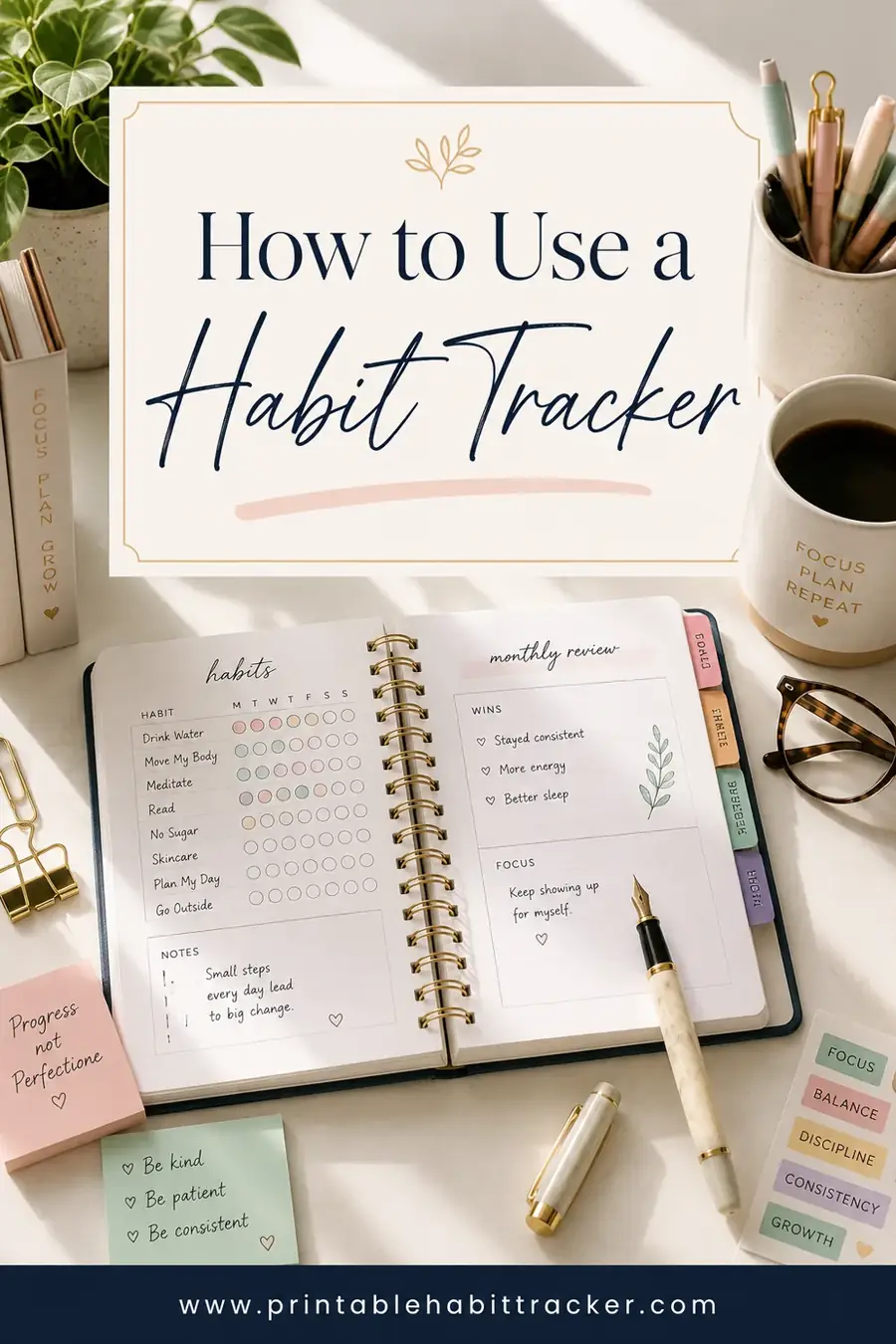
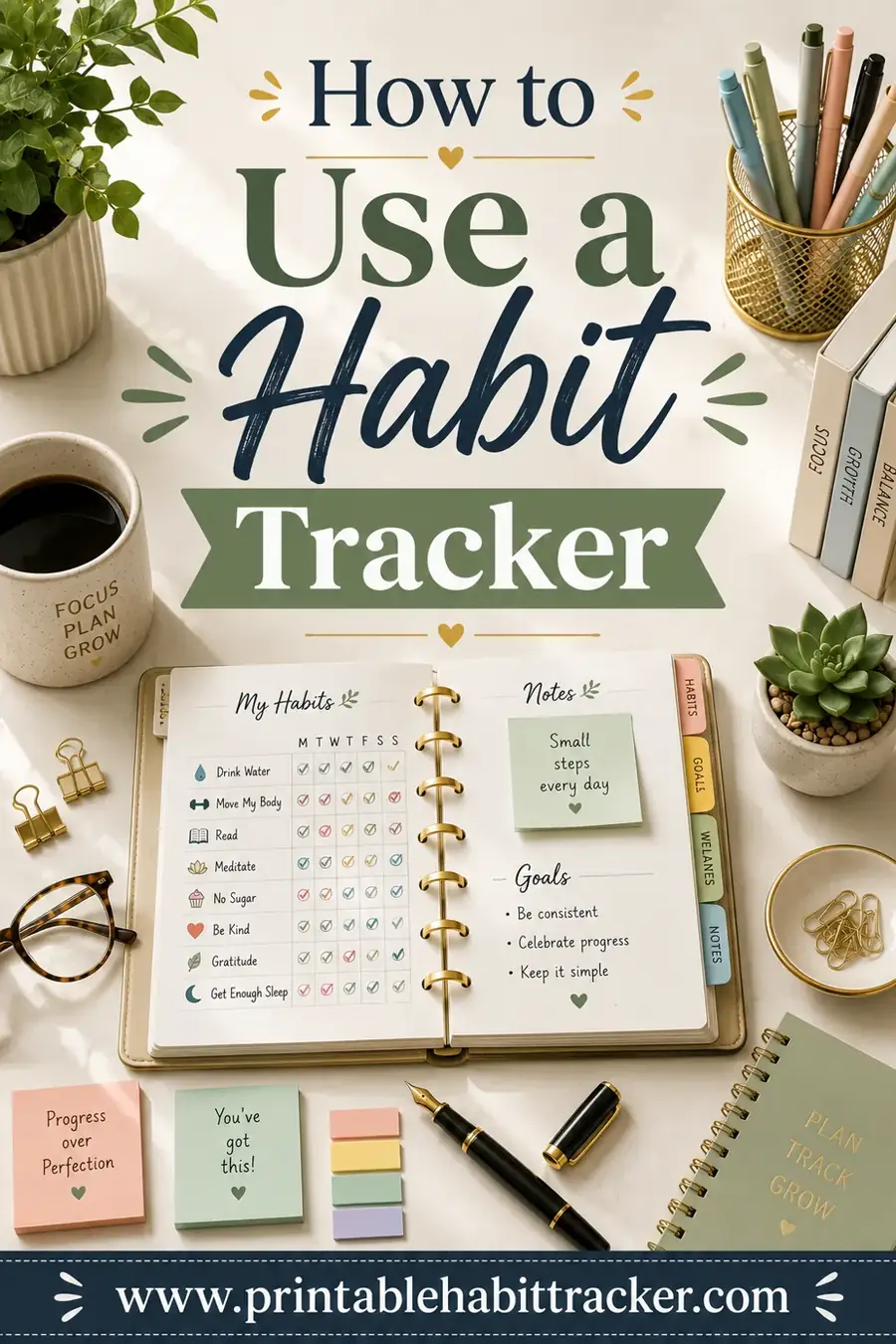
A 90-day printable grid is ideal for this because you can see the entire journey on one page. The free tracker lets you print exactly that, then stick it somewhere you'll see it every day.
Good Habits to Try the 21/90 Rule On
The rule works best with a single, clear habit, and some habits suit a 90-day challenge better than others. Here are popular ones people run through the full 21/90 cycle.
- Daily movement. A 20-minute walk or short workout is concrete, easy to mark, and pays off visibly over three months.
- Reading. A few pages a day is small enough to keep up and adds up to several books across 90 days.
- A morning routine. Making the bed or planning the day takes seconds and sets a good tone, so it locks in quickly.
- Hydration. Drinking more water is simple to track and a classic first 21/90 win.
- Screen limits. "No phone in bed" or "no social media before noon" works well because it's an obvious yes-or-no each day.
Whatever you pick, keep it specific and small. The 21/90 rule rewards consistency, and a tiny habit you can repeat for 90 days beats an ambitious one you abandon at day 10.
What to Do If You Slip Up
A miss isn't the end of your 21/90 challenge. The research is clear that a single off day doesn't undo your progress. So if you skip, don't tear up the tracker and call it a failure.
The rule of thumb is simple: never miss twice in a row. One blank box is an accident. Two starts a new pattern. If you slip on day 12, just mark day 13 and carry on toward your 21-day milestone.
It also helps to expect a couple of misses across 90 days. Nobody runs a perfect three-month streak. Aiming for "almost every day" is far more sustainable than demanding perfection and quitting the moment you fall short.
Common Questions About the Rule
A few things trip people up when they first hear about 21/90:
- Does the count reset if I miss a day? No. Keep going from where you are. A miss doesn't wipe out your earlier days.
- Can I track more than one habit? You can, but the rule works best with one focused habit at a time, especially for harder goals.
- What happens after 90 days? The habit should feel automatic. You can keep a light tracker going or move on to a new habit.
Frequently Asked Questions
What is the 21/90 rule in simple terms?
It's a habit framework: spend 21 days forming a new habit, then keep going for a total of 90 days to turn it into a permanent lifestyle. The first three weeks get the habit started, and three months lock it in. It's a motivating structure with two clear checkpoints.
Is the 21/90 rule scientifically proven?
Not exactly. The numbers are guidelines, not hard science. Research from University College London found habits take about 66 days on average, ranging from 18 to 254 days. The framework is still useful because it gives you milestones to aim for, even if your timeline varies.
Does the 21/90 rule really work?
For many people, yes, because it provides structure and clear goals. The exact days matter less than the commitment to show up daily and keep a streak going. Tracking your progress with a printable grid is what makes the framework stick in real life.
What happens if I miss a day during the 21/90 rule?
One missed day won't ruin your progress, and you don't reset the count. Just keep going from where you are and avoid missing two days in a row. Expect a few slips across 90 days; aiming for consistency beats chasing a perfect streak.
How is the 21/90 rule different from the 66-day rule?
The 21/90 rule uses 21 days to form a habit and 90 to make it a lifestyle. The 66-day figure comes from research showing the average time a habit takes to become automatic. They're different ways of framing the same idea: habits take weeks to months, and consistency is key.
Do I need a special tracker for the 21/90 rule?
No, but a 90-day grid helps a lot because you can see both milestones on one page. A simple printable tracker works perfectly. You can make one for free in seconds and mark off each day as you move toward day 21 and then day 90.
Ready to Run Your Own 21/90 Challenge?
Now the 21/90 rule is clear: 21 days to form the habit, 90 days to make it a lifestyle, with consistency mattering far more than hitting the exact numbers. The best way to follow it is to track every day so your milestones and streak stay right in front of you. Open the free habit tracker, add your habit, and print a 90-day grid to start your challenge today. It's free, there's no sign-up, and day one is ready when you are.
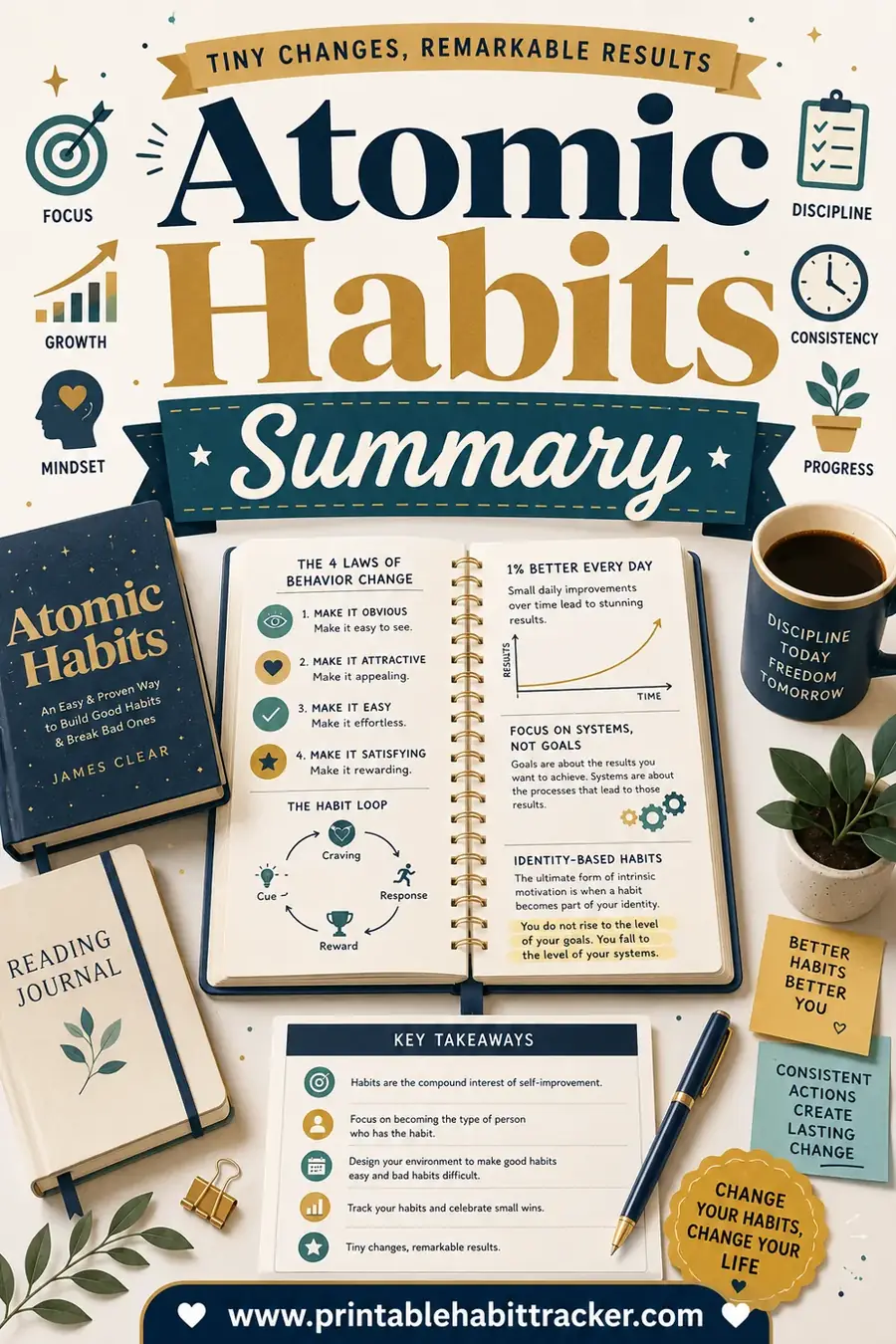
Keep learning: find out how long it really takes to build a habit, see how to use a habit tracker day to day, or read the Atomic Habits summary for the deeper science.