Why Habit Trackers Work: The Psychology Behind the Checkmark
Habit trackers work because they make an invisible effort visible, turn each repetition into a small reward, and create a streak you don't want to break. Marking off a habit gives your brain a hit of satisfaction, the growing chain of checkmarks becomes its own motivation, and the record keeps you honest about whether you're really showing up. It's a simple tool, but it taps into some of the most reliable forces in human behavior.
Want to feel it for yourself? Open the free printable habit tracker, add a habit or two, and start checking off days. No app, no sign-up, no fee. The first few checkmarks are nice, but watching a real streak grow is what turns "trying" into "doing."
What a Habit Tracker Actually Does
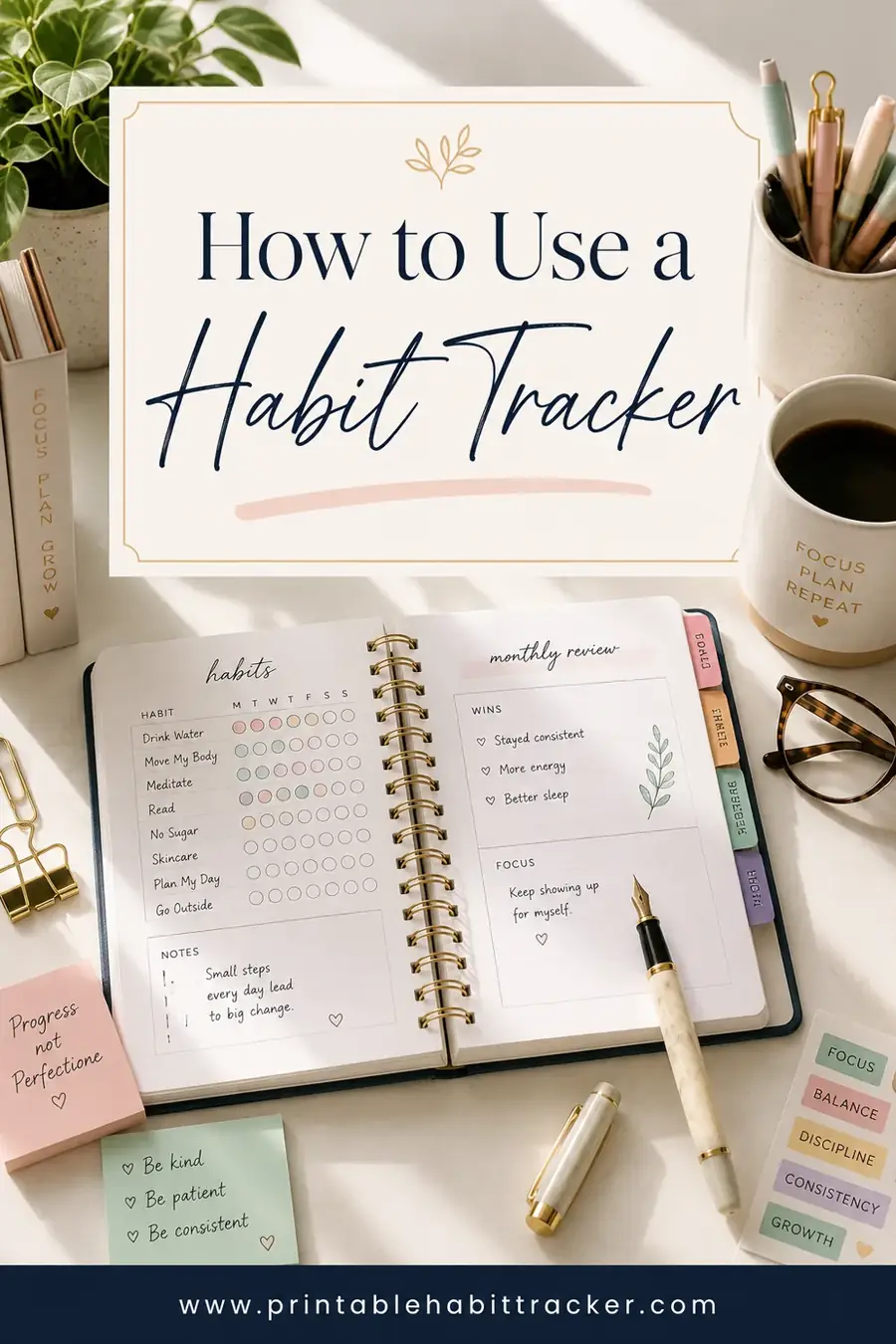
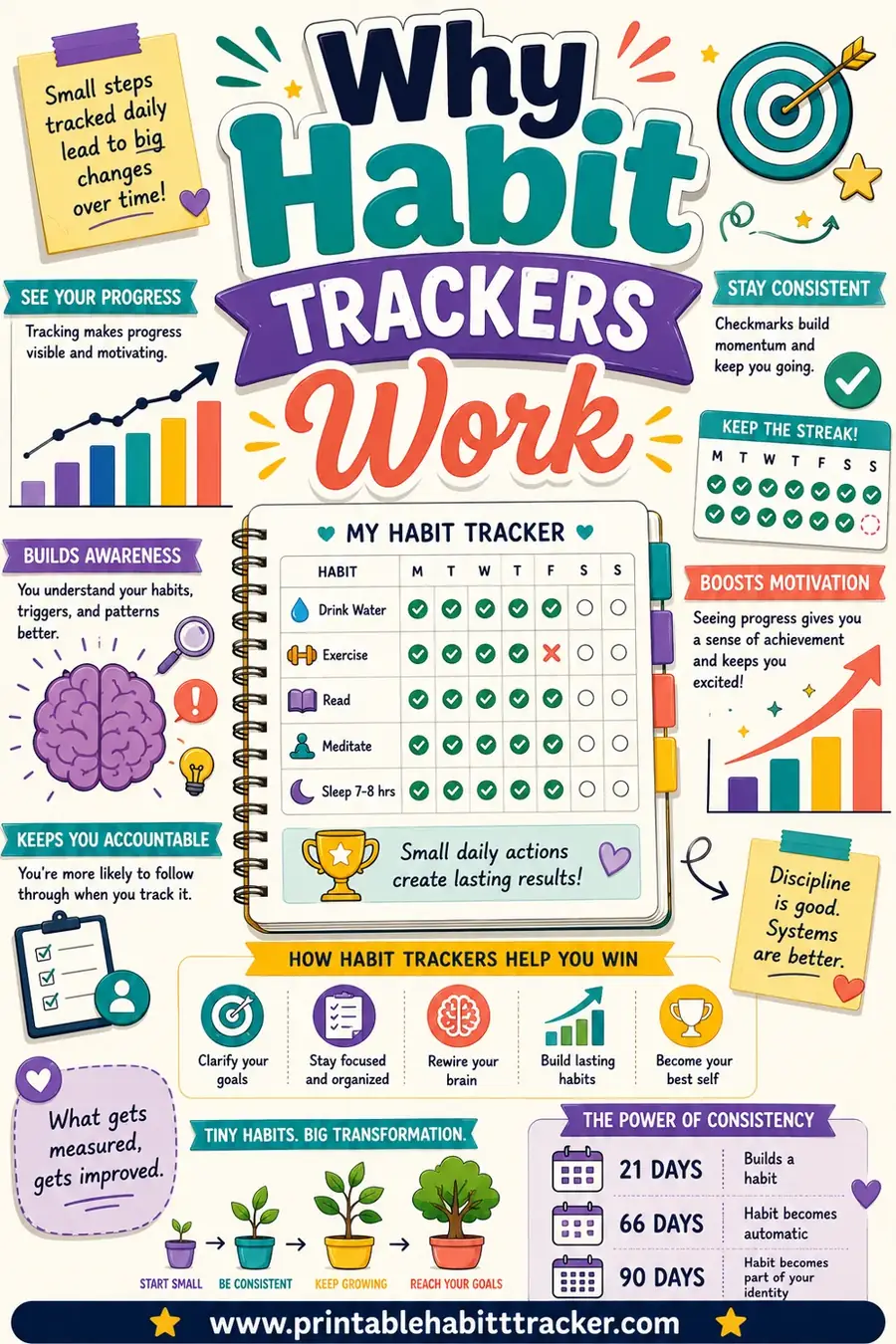
A habit tracker is a simple grid: your habits down the side, the days across the top, and a box you check each time you do the habit. That's the whole tool. But that plain little grid quietly does several jobs at once, and each one nudges you toward consistency.
Here's what's happening every time you use one:
- It reminds you. A tracker on the fridge is a cue you can't swipe away.
- It records you. You get an honest history of what you actually did, not what you remember doing.
- It rewards you. The act of checking the box feels good, all on its own.
- It motivates you. A streak builds pressure, in a good way, to keep going.
None of these are dramatic, but together they explain why a tool this basic outperforms a head full of good intentions. Let's look at why each one works.
Reason 1: It Makes Progress Visible
Most of the work of building a habit is invisible. You can't see "I read more this month" the way you can see a stack of finished books. That invisibility is a problem, because your brain craves evidence that effort is paying off. Without proof, motivation quietly drains away.
A habit tracker fixes this by turning effort into something you can literally point at. Twenty checkmarks on a page is undeniable. You did the thing twenty times. That visual record:
- Confirms you're making progress, even on days it doesn't feel like it.
- Shrinks the gap between effort and reward, so you don't have to wait weeks to feel like it's working.
- Builds identity. A page full of checkmarks tells you "I'm the kind of person who does this," and that self-image is powerful.
When you can see the work, you believe the work is happening. And belief is what keeps you showing up.
Reason 2: The Streak Effect
Once you've got a few checkmarks in a row, something interesting happens: you don't want to break the chain. This is the streak effect, and it's one of the most reliable motivators in habit building. Comedian Jerry Seinfeld famously credited a wall calendar where he drew a big red X for every day he wrote jokes. His advice: "Don't break the chain."
The streak works because of a quirk in how we think. Once we've invested in something, we hate to waste it. A ten-day streak feels valuable, so the thought of resetting to zero stings enough to get you off the couch on a hard night. The chain becomes a thing worth protecting.
| What the streak does | Why it matters |
|---|---|
| Creates loss aversion | Breaking a long streak feels like losing something, so you avoid it |
| Builds momentum | Each day done makes the next feel more natural |
| Adds a clear goal | "Don't break the chain" is simple and instantly understood |
| Turns consistency into a game | You start competing with your own best run |
The beauty is that the streak motivates you without any prize attached. The unbroken chain is the prize. A printable tracker shows that chain at a glance, which is exactly why paper streaks feel so satisfying to protect.
Reason 3: Checking the Box Is a Small Reward
Habits stick when they're rewarded. The trouble is that many good habits don't pay off right away. You won't feel fitter after one workout or smarter after ten minutes of reading. The reward is real but distant, and your brain isn't great at waiting.
Checking off a habit gives you an instant, tiny reward to bridge that gap. The little hit of "done" that comes with marking the box is satisfying in the moment, and it attaches that good feeling to the habit. Over time, your brain starts to associate the behavior itself with a small win.
This is why the simple act of checking a box matters so much:
- It delivers a reward now for a habit that pays off later.
- It makes the habit feel complete, giving you a clean sense of closure.
- It builds a positive loop: do the habit, feel good, want to do it again.
It sounds almost too simple, but that small dose of satisfaction is doing serious work. It's the glue between the effort and the reward, and it's a big part of why trackers help habits become automatic.
Reason 4: It Keeps You Honest
Memory is a flattering liar. Ask yourself how often you exercised last month and you'll probably guess high. We remember our good intentions as if they were actions. A habit tracker strips away that fuzziness and shows you the truth.
That honesty cuts two ways, and both help:
- When you're doing well, the record proves it and motivates you to keep the run going.
- When you're slipping, the gaps show up immediately, so you catch a slide after two missed days instead of two missed weeks.
This early-warning function is underrated. A habit doesn't usually collapse all at once. It frays, one skipped day at a time, until it's gone. A tracker makes that fraying visible while you can still fix it. You see the gap, feel the small pang, and get back on track before the habit unravels.
Reason 5: It Lowers the Mental Load
Trying to keep your habits in your head is exhausting. You have to remember what they are, remember to do them, and remember whether you did. That's a lot of mental juggling, and on a busy day, the habits are the first things to drop.
A tracker offloads all of that onto paper. The list is right there, so you don't have to recall it. The boxes are right there, so you don't have to wonder if you did it. This frees up mental energy for actually doing the habits instead of managing them.
This is also why trackers pair so well with two other techniques:
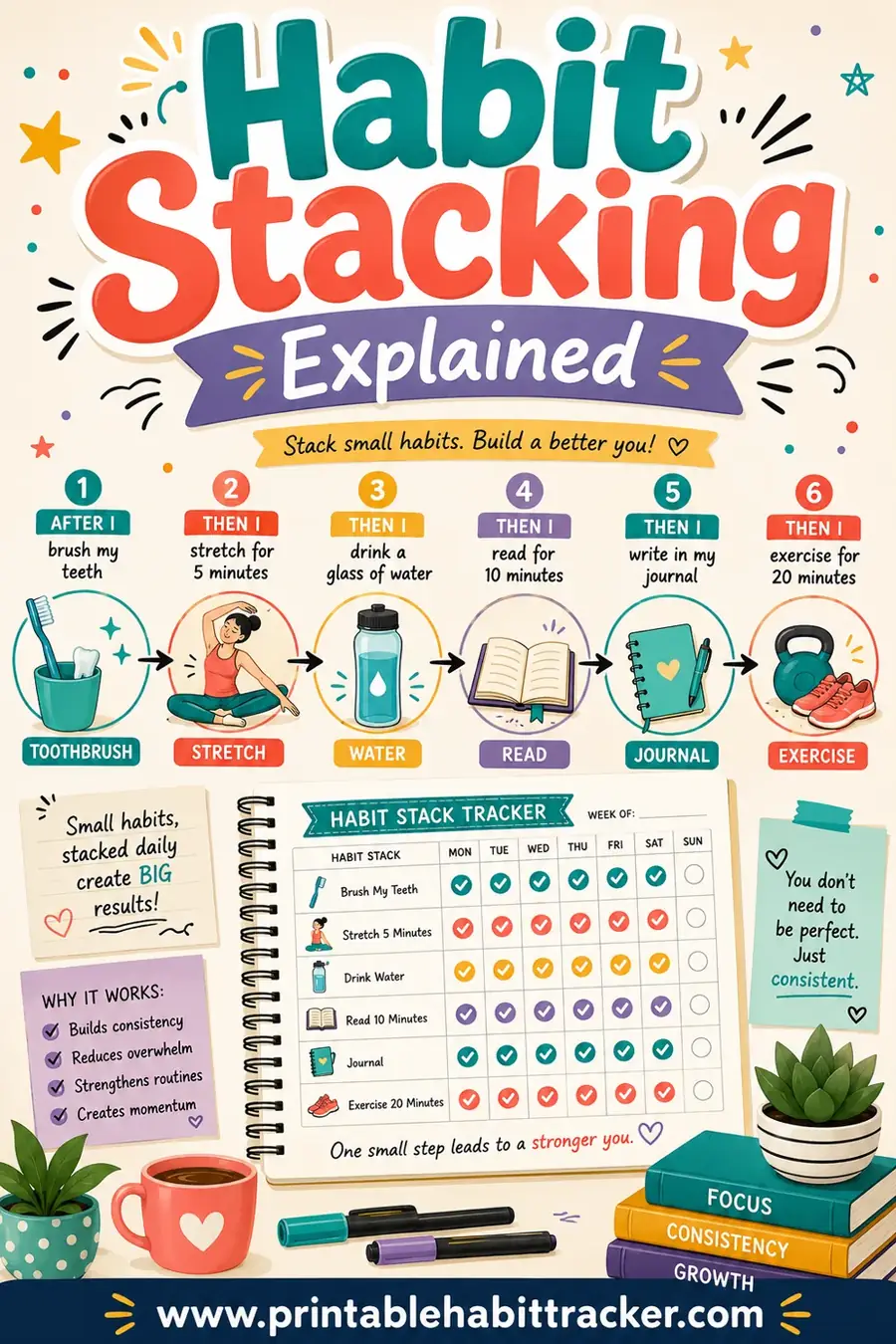
- Habit stacking ties new habits to existing ones, and a tracker shows the whole stack in one place.
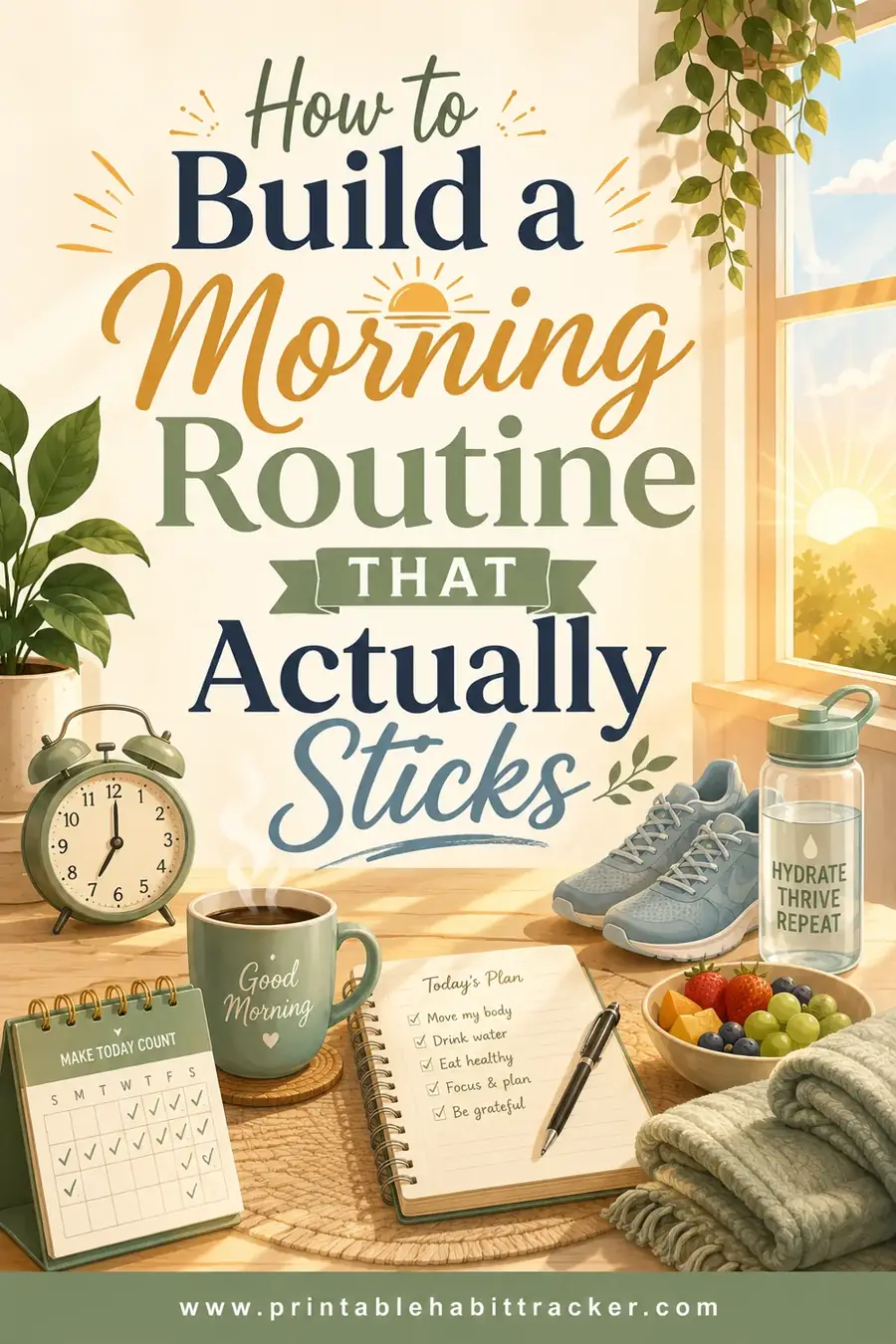
- A morning routine flows better when the sequence is written down and checked off in order.
When the system lives on paper, your brain can relax and just do the work.
Paper vs. App: Why Printable Trackers Hold Up
Habit apps are everywhere, and they're fine. But plenty of people stick with paper, and there are good reasons why a printable tracker often wins.
| Feature | Printable tracker | Habit app |
|---|---|---|
| Always visible | Yes, hung on the wall or fridge | Hidden behind a lock screen |
| Distraction risk | None | Notifications, other apps a tap away |
| Satisfaction of marking | High, physical checkmark | A digital tap |
| Setup friction | Print and go | Sign-up, settings, sometimes a fee |
| Cost | Free | Often subscription-based |
The biggest edge paper has is that it can't be ignored. An app reminder is one swipe from gone. A tracker taped to your mirror stares back at you every morning. And there's something about a pen on paper, the small ceremony of marking the box, that a screen tap doesn't quite match. That's why a free printable habit tracker is such a dependable choice.
How to Get the Most From Your Tracker
A habit tracker works best when you set it up to play to these strengths. A few simple choices make a big difference.
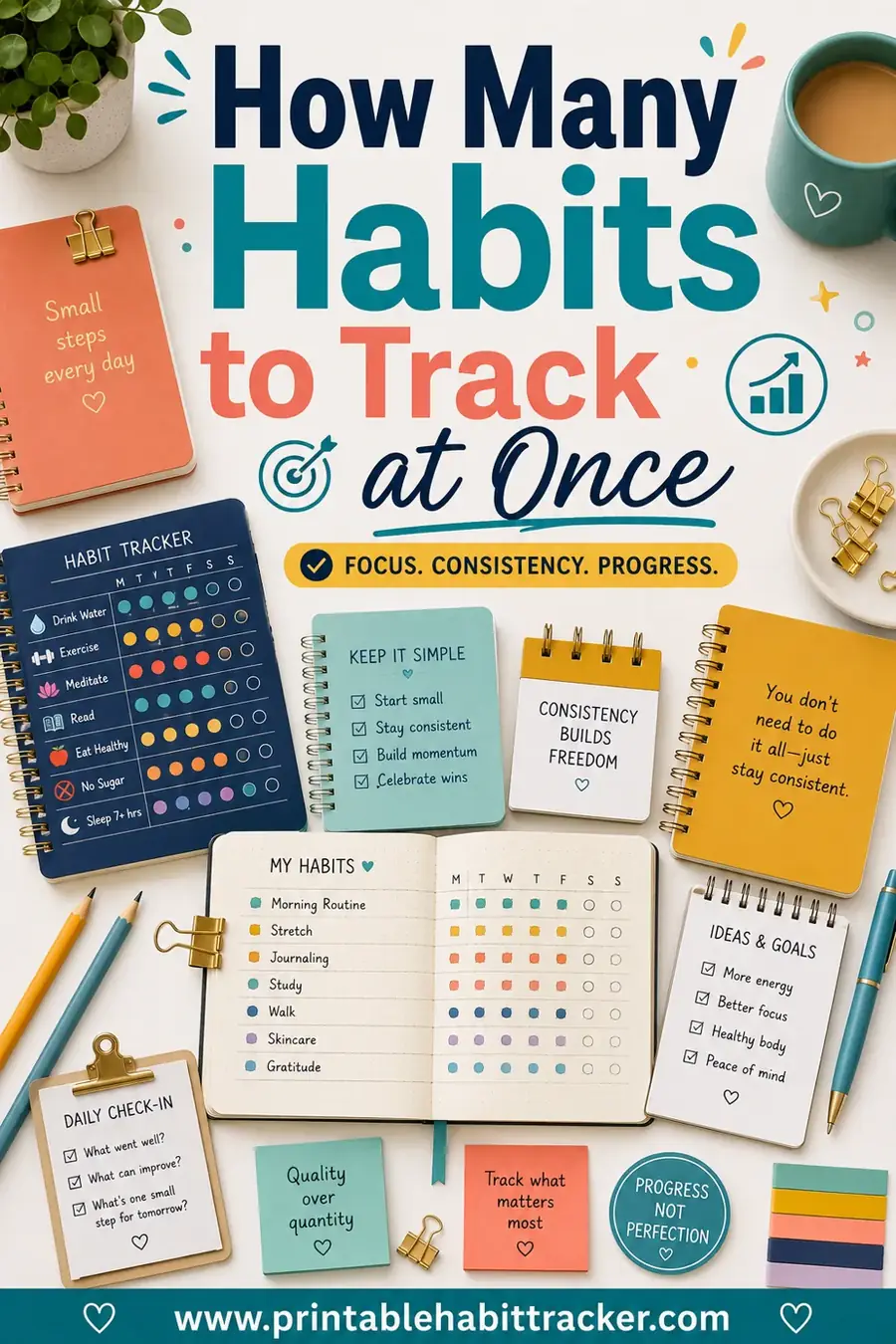
- Keep the list short. A handful of habits is plenty. Too many and you'll never check them all, which kills the streak feeling. See how many habits to track at once for the sweet spot.
- Put it where you'll see it. Visibility is the whole point. The fridge, the bathroom mirror, or your desk all work.
- Check it off right after the habit. Mark the box immediately so the reward lands while the action is fresh.
- Don't aim for perfect. A missed day isn't failure. Just never miss twice, and keep the chain alive.
- Review your streaks weekly. A quick glance shows what's solid and what's slipping, so you can adjust.
Treat the tracker as a partner, not a judge. It's there to show you the truth and cheer your progress, not to make you feel bad about an off day.
Frequently Asked Questions
Do habit trackers really work?
Yes, for most people. They work by making progress visible, turning each repetition into a small reward, and creating a streak you don't want to break. Those forces are well-documented in behavior science, and the simple act of checking a box keeps people consistent far better than memory and good intentions alone.
Why does checking off a habit feel so good?
Checking off a habit gives you an instant reward for a behavior whose real payoff is often distant. That small hit of satisfaction attaches a good feeling to the habit, building a loop where doing the habit feels rewarding right away, which makes you want to do it again.
What is the streak effect?
The streak effect is the motivation that builds once you've done a habit several days in a row. The unbroken chain of checkmarks starts to feel valuable, so you don't want to break it. This loss aversion pushes you to keep going, even on days when motivation is low.
Are paper habit trackers better than apps?
It depends on the person, but paper trackers have real advantages: they're always visible, free, distraction-free, and the physical act of marking a box is more satisfying for many people. Apps are convenient but easy to ignore behind a lock screen. A printable tracker is a dependable, no-cost option.
How many habits should I track to stay motivated?
Keep the list short, usually three to five habits. Too many and you can't check them all, which breaks the satisfying streak feeling and makes the tracker discouraging instead of motivating. A focused tracker keeps the wins visible and the chains intact.
How quickly will a habit tracker help?
You'll feel the small reward of checking a box on day one, and the streak motivation kicks in within a week. The deeper benefit, the habit becoming automatic, builds over a few weeks. The tracker's job is to keep you consistent through that stretch until the habit holds on its own.
See It Work for Yourself
Habit trackers work because they quietly tap into how your brain is wired: they make progress visible, reward you in the moment, and create a streak you'll fight to protect. They keep you honest, lighten your mental load, and turn a fuzzy intention into a clear, satisfying chain of wins. The best way to believe it is to try it. Open the free printable habit tracker, add a couple of habits, and start your first streak today. One checkmark at a time, you'll see exactly why this simple tool works.