Habit Tracker for Roommates
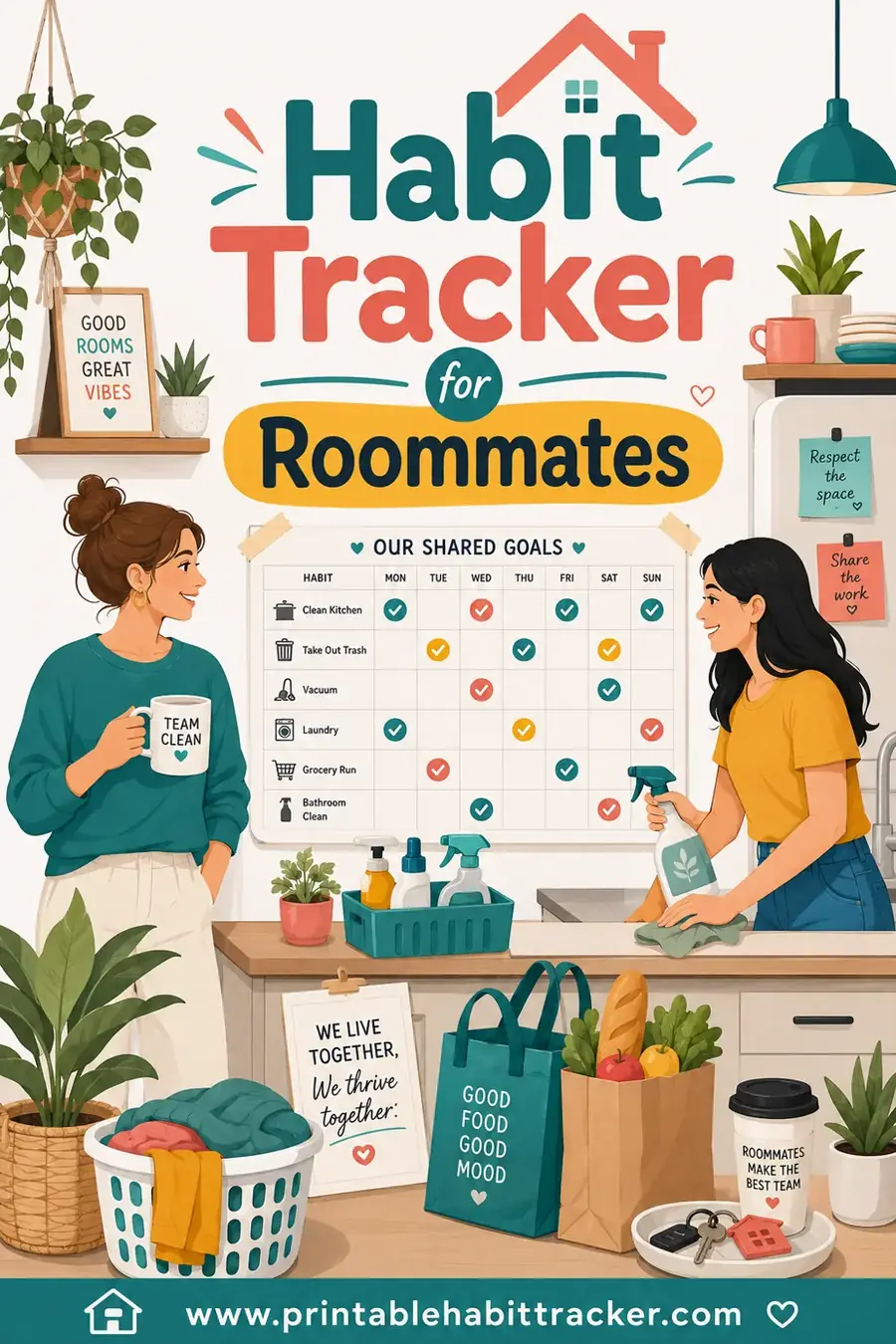
A habit tracker for roommates is a shared printable chart — usually stuck on the fridge — that lists the recurring household tasks everyone's responsible for, like taking out the trash, cleaning the bathroom, or buying toilet paper, with a column for each person and a box to check when it's done. It works because it makes the invisible work visible and fair, so no one feels like they're carrying the apartment alone. The quickest way to make one is with a free printable habit tracker maker: list the shared chores, add each roommate, and print a fresh sheet for the week.
Want to set one up right now? Open the free maker, drop in your shared tasks (there's a ready-made chore list below), and print it for the fridge in under a minute. No app to download, no group account, no monthly fee.
Why Roommates Need a Shared Tracker
Most roommate friction isn't about big things. It's about the trash piling up, the dishes nobody claims, and the quiet resentment that builds when one person always ends up cleaning the bathroom. None of it gets said out loud — it just simmers.
A shared habit tracker fixes that by making the household work visible and accountable. When the chore chart is on the fridge for everyone to see, three things change:
- No more guessing who did what. A checked box settles every "I thought you were doing it" argument before it starts.
- The mental load gets shared. One person stops being the unofficial house manager who remembers everything and nags everyone.
- Fairness becomes obvious. Anyone can glance at the sheet and see the work is split evenly — or spot quickly when it isn't.
It's not about policing each other. It's about replacing nagging and passive-aggressive sticky notes with one neutral system everyone agreed to.
What Shared Habits to Track
Roommate habits aren't personal goals like "drink water" — they're shared responsibilities that keep a household running. The trick is to track the recurring stuff that causes friction when it slips, not every tiny task.
Here's a menu of shared habits to pull from, grouped by how often they come up.
| How often | Shared habits to track |
|---|---|
| Daily | Dishes done, trash out if full, common area tidy, lights off |
| Weekly | Clean bathroom, vacuum/sweep, take out recycling, mop kitchen |
| Rotating | Buy toilet paper, restock paper towels, buy dish soap, water the plants |
| Monthly | Pay shared bills, deep-clean fridge, clean stovetop, swap shower curtain |
| House rules | Quiet hours respected, guests cleaned up after, fridge labeled |
Pick the eight to twelve that actually matter in your place. Every household is different — a house with a yard adds "take out the bins," a place with pets adds "feed the cat" or "scoop litter." Keep it to the tasks that cause real friction when they're forgotten.
Shared spaces vs. personal space
Only track shared responsibilities. What happens inside someone's own bedroom is their business. The tracker covers the kitchen, bathroom, living room, hallway, and any communal supplies — the places and things everyone uses. Keep it there and nobody feels policed.
Building a Fair Chore Rotation
The fairest way to split chores between roommates is a rotation: instead of one person owning "bathroom" forever, the unpleasant jobs rotate so everyone takes a turn. The tracker is where you write it down so nobody can claim they forgot.
Here's a clean four-week rotation for a three-person apartment. Each week, the chores shift down a person, so the bathroom doesn't fall on the same roommate two weeks running.
| Week | Bathroom | Kitchen & dishes | Trash & floors |
|---|---|---|---|
| Week 1 | Alex | Sam | Jordan |
| Week 2 | Sam | Jordan | Alex |
| Week 3 | Jordan | Alex | Sam |
| Week 4 | Alex | Sam | Jordan |
A few tips to keep a rotation fair and drama-free:
- Group chores into roughly equal bundles. "Bathroom" is gross but quick; "kitchen & dishes" is constant but lighter. Balance the load, not just the count.
- Rotate on a fixed day. Sunday works well — print the new week's sheet and the rotation shifts automatically.
- Let people trade. If someone's swamped one week, they can swap with a housemate. Just note it on the sheet so the chart stays accurate.
- Adjust for house size. Four roommates means a four-way rotation; two means you just alternate. The free maker handles any number of names.
Handling the Awkward Stuff: Bills, Supplies, and Quiet Hours
The hardest roommate topics aren't chores — they're money and noise. A tracker quietly takes the tension out of both by turning them into checkboxes instead of confrontations.
Shared bills and supplies
Money is where roommates fall out fastest. Use the tracker to log the recurring money habits so nobody's chasing anyone down:
- "Bills paid" by the 1st. A checkbox per roommate next to rent, utilities, and internet. Everyone can see who's settled up.
- Rotate the shopping. Toilet paper, paper towels, dish soap, trash bags — put "buy communal supplies" on a rotation so it's not always the same person fronting the cash.
- Track the venmo. A simple "reimbursed for groceries" check stops small debts from quietly piling up into resentment.
Quiet hours and house rules
Some habits are about respect, not tasks. You can track these too:
- Quiet hours after 11pm on weeknights — a check-in habit, not a chore, but it keeps everyone honest.
- Guests cleaned up after. If you hosted, you handle the aftermath. A box keeps it accountable.
- Dishes done same day. The single most common roommate flashpoint, solved by one daily checkbox.
Putting these on paper means the rules were agreed to together, not imposed by the one roommate who cares most. That distinction keeps the peace.
The Fridge Is the Perfect Home for It
A roommate tracker only works if everyone sees it, which is why the fridge wins every time. It's the one surface in a shared home that every person opens multiple times a day, and it's neutral territory — not anyone's bedroom door, not a group chat someone mutes.
Why a printed fridge chart beats a chore app for roommates:
- No app means no holdouts. There's always one roommate who won't download the chore app or check it. A fridge sheet needs zero buy-in beyond a glance.
- It's impossible to ignore. You can mute a notification. You can't mute the chart you're staring at while grabbing the milk.
- It's instantly fair and public. Everyone sees the same sheet at the same time. No private dashboard, no "I didn't get the reminder."
Stick it up with a magnet, keep a pen on a string nearby, and the whole system runs itself. Print a fresh one each week so the boxes start clean and the rotation moves on.
How to Set Up Your Roommate Tracker in Minutes
You don't need a house meeting that drags for an hour. Here's the fast version.
- List the shared chores together. Use the table above. Five minutes, everyone throws in the tasks that bug them.
- Decide the rotation. Who does what, and how it shifts each week. Write it down so it's settled.
- Add every roommate's name. One column per person so each can check off their own tasks.
- Open the free maker. Type the chores down the side, names across the top, choose the weekly grid.
- Print it and hit the fridge. Magnet it up, leave a pen, done.
- Reprint each week. Fresh sheet, clean boxes, rotation advanced. Sunday's a good default.
That's the whole setup. No account, no fee, and you can tweak the chore list any time the household's needs change.
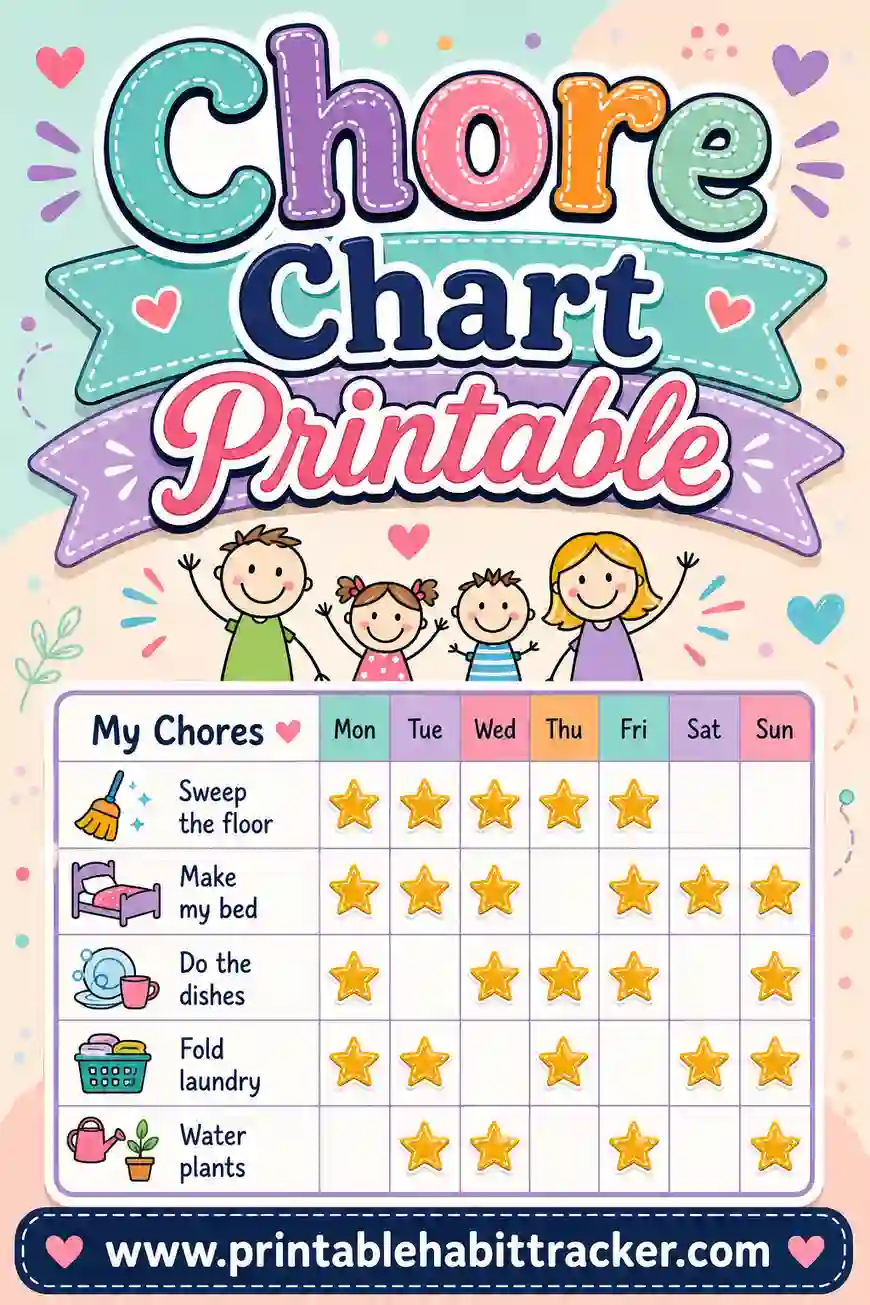
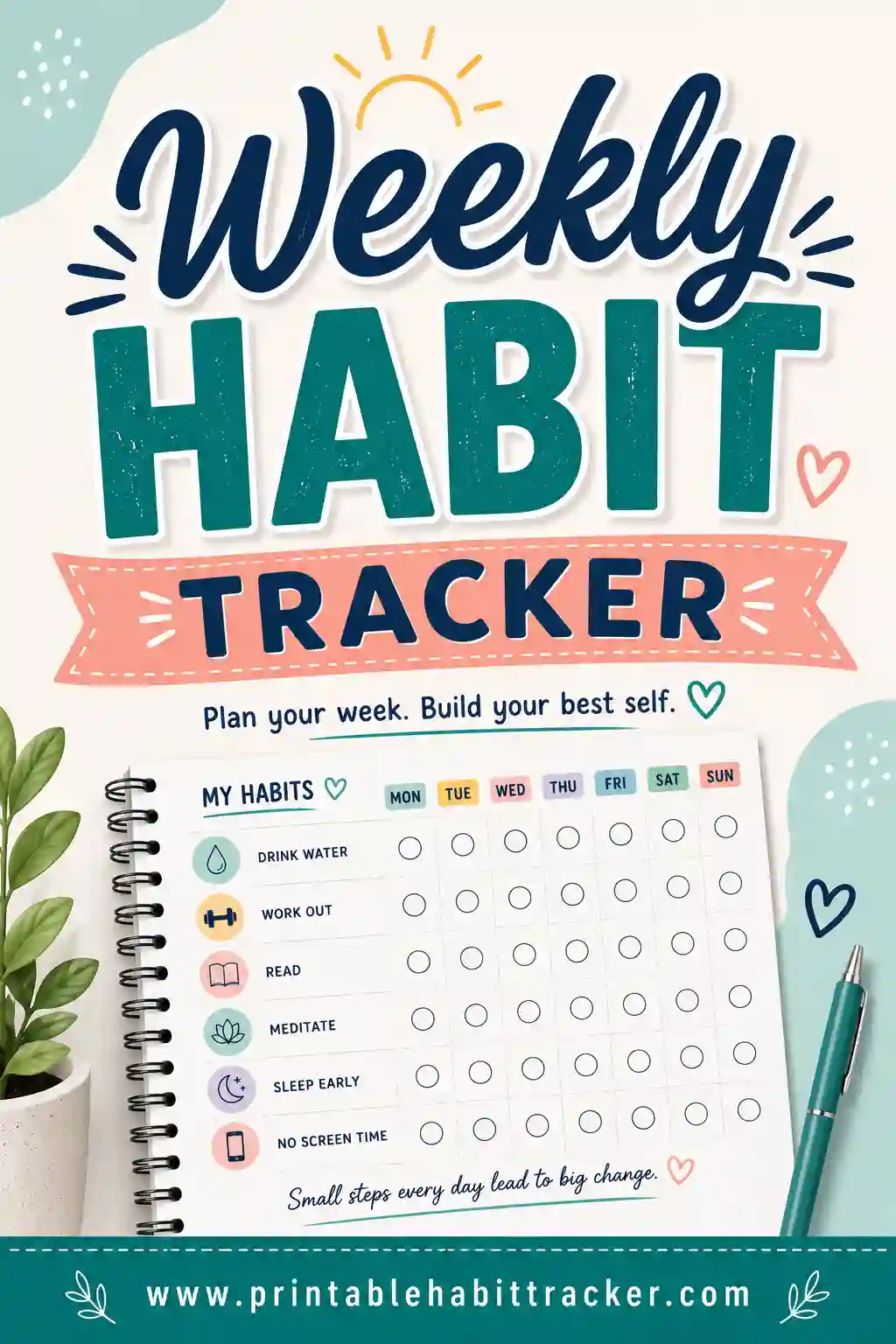
Need a slightly different angle? We've also got a dedicated chore chart layout, a habit tracker for couples for two-person households, a family chore chart if kids are in the mix, and a plain weekly habit tracker you can shape into anything.
Keeping the Peace Long-Term
A tracker gets a house off to a fair start, but a few habits keep it working past the first month:
- Revisit it monthly. Chores shift with the seasons and schedules. A two-minute check-in keeps the chart honest.
- Don't weaponize it. The sheet is a tool, not evidence in a trial. If someone misses a box, a friendly "hey, bathroom's on you this week" beats a passive-aggressive callout.
- Praise the wins. Notice when the place stays clean. A quick "the kitchen's looked great lately" goes further than you'd think.
Used right, the tracker fades into the background and just becomes how your house runs — fairly, quietly, and without anyone feeling like the resident clean-up crew.
Frequently Asked Questions
How do roommates split chores fairly?
The fairest method is a rotation written on a shared tracker, where the unpleasant jobs (like the bathroom) shift to a different person each week so no one is stuck with them. Bundle chores into roughly equal loads — a quick-but-gross task balanced against a constant-but-light one — and rotate on a fixed day. A printable chart on the fridge keeps the rotation visible so nobody can claim they forgot whose turn it is.
What should go on a roommate chore chart?
Track recurring shared responsibilities, not personal goals: dishes, trash, cleaning the bathroom, vacuuming, buying communal supplies like toilet paper, paying shared bills, and respecting quiet hours. Pick the eight to twelve tasks that actually cause friction in your place. Keep it to shared spaces — kitchen, bathroom, living room — and leave anything inside someone's own bedroom off the sheet.
Why use a printable instead of a chore app?
A printable needs zero buy-in. There's always one roommate who won't download the app or check it, and the whole system breaks. A sheet on the fridge is impossible to ignore, instantly public, and fair to everyone at a glance. No notifications to mute, no private dashboard, no "I didn't get the reminder" — just a chart everyone passes a dozen times a day.
How do we handle shared bills and supplies on the tracker?
Add checkboxes for the money habits: a "bills paid" box per person next to rent and utilities so everyone can see who's settled, and a rotating "buy communal supplies" task so the same roommate isn't always fronting the cash for toilet paper and dish soap. Tracking reimbursements with a simple checkmark stops small debts from quietly building into resentment.
How often should we reset the roommate tracker?
Weekly. Print a fresh sheet each Sunday so the boxes start clean and the chore rotation advances to the next person automatically. A weekly reset also makes it easy to swap tasks when someone's schedule gets busy — just note the trade on the new sheet. The free maker reprints in seconds, so a clean start is always one click away.
Ready to Make Your Roommate Tracker?
List your shared chores, add everyone's name, open the free printable habit tracker maker, and print a clean weekly chart for the fridge in under a minute. It's free, there's no sign-up, and it replaces the nagging and sticky notes with one fair system the whole house agreed to. Stick it up, grab a pen, and let the chart keep the peace.